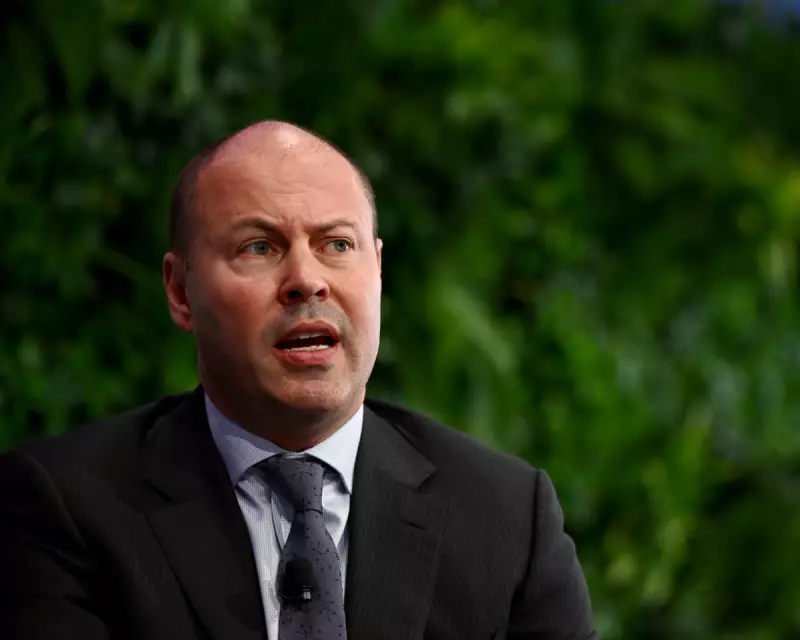
Former Australian Treasurer Josh Frydenberg has launched a scathing political attack, demanding Prime Minister Anthony Albanese accept personal responsibility for the Bondi Junction attacks. This marks a significant escalation in rhetoric surrounding the tragic incident that shocked the nation.
Escalation of Political Rhetoric
In a sharply worded statement, Frydenberg argued that the Prime Minister must be held directly accountable for the security failures that preceded the violent events at Bondi. The former Liberal Party heavyweight, who has been tipped for a potential return to frontline politics, framed the issue as one of fundamental leadership.
Frydenberg's intervention shifts the blame squarely onto the Prime Minister's desk, moving beyond broader governmental or systemic critiques. He contends that Albanese's personal oversight and decisions are central to understanding the context in which the attacks occurred.

The Context of the Bondi Tragedy
The attacks, which took place in the Bondi Junction area, resulted in multiple casualties and sent shockwaves through the Australian community. The incident has since sparked a fierce debate about national security, policing, and social cohesion.
While authorities continue their investigations, the political fallout has been immediate and intense. Frydenberg's comments, made on Tuesday, represent the most direct attempt yet to link the Prime Minister personally to the tragedy. This approach is seen by observers as a calculated move to test Albanese's vulnerability on law and order issues.
Broader Political Repercussions
The demand for personal responsibility is a high-stakes political manoeuvre. It seeks to redefine the narrative from a tragic national event to a specific failure of the current Prime Minister's leadership. This strategy carries significant risk but also potential reward in the volatile arena of public opinion.
The Albanese government has so far focused its response on supporting victims, backing law enforcement, and reviewing relevant policies. Frydenberg's accusation challenges that stance head-on, attempting to force a more defensive posture from the government.
This escalation is likely to dominate political discourse in the coming days, influencing both public debate and parliamentary dynamics. It raises questions about the appropriate tone for discussing national tragedies and the lines of accountability in a Westminster system of government.
As the community mourns, the political battle over the meaning and consequences of the Bondi attacks has been decisively joined, with Frydenberg's latest salvo ensuring the Prime Minister remains firmly in the spotlight.