Charities Warn Labour's PIP Review Must 'Earn the Trust' of Disabled People
A coalition of more than fifty charities and disabled people's organisations has issued a stark warning that the Labour government's ongoing review of the Personal Independence Payment (PIP) is "causing concern" among vulnerable claimants. The groups are urging ministers to ensure the process properly engages with disabled individuals and operates with maximum transparency to build essential confidence.
Background of the Controversial Review
The PIP review was established after Labour abandoned controversial proposals last year to tighten assessment criteria for the disability benefit, which would have effectively made it harder to claim. Those initial plans faced fierce opposition from campaigners and politicians alike, prompting over one hundred Labour MPs to threaten rebellion against their own government.
Currently claimed by approximately 3.8 million people across the United Kingdom, PIP provides crucial financial support to help cover the extra costs associated with living with long-term illnesses or disabilities. The concession to halt changes and launch a review was announced by Disability and Social Security Minister Sir Stephen Timms during parliamentary debate in late June.

Charities Demand Clarity and Genuine Engagement
In an open letter convened by Turn2us and Z2K, the fifty-two signatory organisations – including prominent names like Trussell Trust, Mind, and the New Economics Foundation – have called for "clarity" about how the review will genuinely incorporate disabled people's experiences. This demand comes more than six months after the review's establishment, with charities expressing frustration about the slow progress.
The letter acknowledges that a steering group of twelve members has been appointed from 340 applications to oversee the review's work. However, the charities emphasise that "no group of people on its own can fully reflect the experiences of all disabled people receiving PIP." They stress that it will be critical for the review to engage widely and effectively with a diverse range of benefit recipients.
Prioritising the Most Vulnerable Claimants
Particular concern is focused on disabled people living in poverty who will be most affected by any changes to PIP. The charities note that while approximately one in five PIP recipients are employed, most claimants also receive means-tested out-of-work benefits. With twenty-eight percent of disabled people living in poverty nationally, this group faces potentially devastating consequences from benefit adjustments.
The letter specifically calls for the review to prioritise engagement with people who receive both PIP and means-tested benefits, noting that "this group will be particularly affected by any changes to PIP that arise from the Review." The connection between PIP and the health element of Universal Credit under the reformed system makes this engagement especially crucial.
Voices from the PIP Community
The correspondence includes powerful testimony from Roxie, a PIP claimant and member of Z2K's disability benefits expert group, who stated: "For people like me, PIP is not an abstract policy issue. It is what keeps us safe, housed, warm, and able to cope. When a process is presented as fair, transparent and grounded in lived experience, but I cannot see people who rely on PIP to survive reflected at steering level, it creates a deep unease."
Rose Grayston, interim director of policy and engagement at Z2K, reinforced this sentiment, declaring: "The Timms Review will only succeed if it earns the trust of all the people it directly affects. That means transparency and power sharing, and engaging with disabled people living in poverty who will be most impacted by the Review's changes. For them, PIP is the difference between stability and crisis."
Calls for Transparency and Accountability
The charities have made specific demands for greater openness, including the publication of steering group documents such as agendas, minutes, and reports. They argue that such transparency is essential for building trust and ensuring the review genuinely reflects the needs of disabled people.

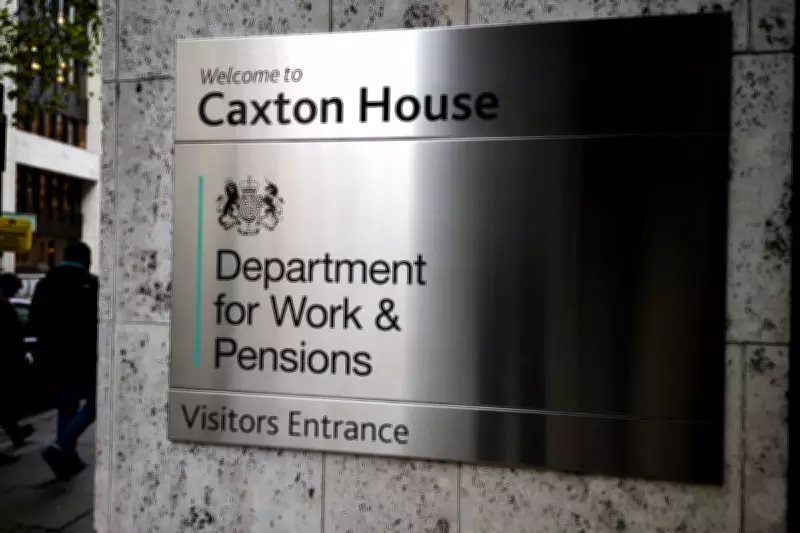
A Department for Work and Pensions spokesperson responded: "We welcome the recognition that disabled people's voices are central to the Review. The steering group has now started to meet and is developing and agreeing a wider programme of engagement as a priority. The Review's co-chairs are providing regular updates on the Review's progress on GOV.UK, where we will set out plans for wider engagement."
As the review continues its work, the pressure from disability organisations highlights the delicate balance the Labour government must strike between welfare reform and maintaining essential support for some of society's most vulnerable members. The coming months will reveal whether the process can indeed earn the trust it requires to deliver meaningful and equitable outcomes for millions of disabled Britons.