Farage's Dramatic Exit Overshadows PMQs as Badenoch Faces Energy Policy Backlash
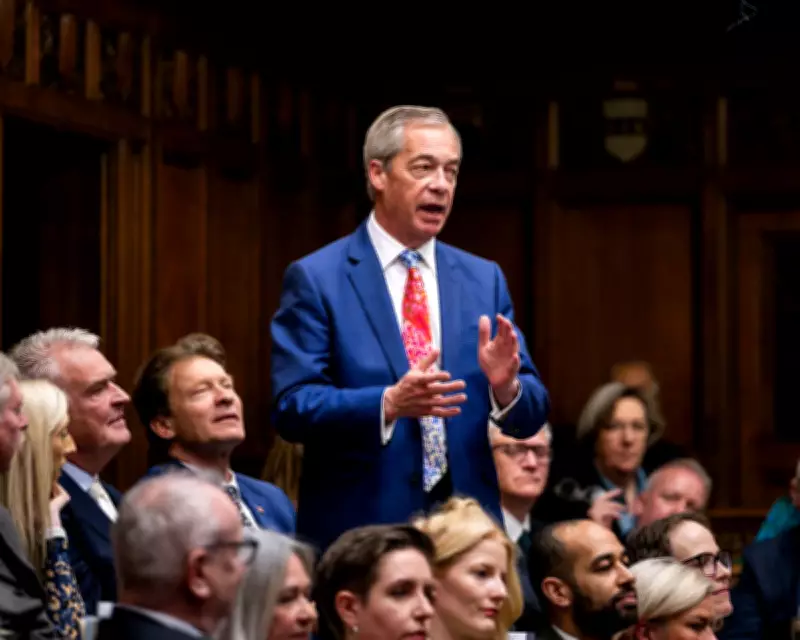
In a theatrical display at Prime Minister's Questions on Wednesday, Nigel Farage orchestrated a mass walkout by Reform UK MPs, a move that quickly descended into farce. The incident was triggered by a pointed remark from Labour leader Keir Starmer, who highlighted Reform's reliance on overseas donations and cryptocurrency funding. Starmer's barb, delivered with impeccable timing, seemed to strike a nerve with Farage, who has grown increasingly sensitive amid his party's declining poll numbers and scrutiny of its policies.
Starmer's Jibe Sparks Reform's Petulant Retreat
During the session, Starmer responded to a question about banning political donations from foreign sources and crypto transactions by taking a swipe at Farage. "There is only one party leader who has shown he will say anything, no matter how divisive, if he is paid to do so," he declared, prompting immediate laughter from the chamber. Farage, however, did not share in the amusement. He rose to ask a question on crime policy, which Starmer largely dismissed, instead criticising Reform's voting record and its support for controversial government measures.
Offended by what he perceived as a personal attack, Farage muttered "Let's go" to his colleagues, initiating a walkout. Initially, only five of the eight Reform MPs followed, with Robert Jenrick, Suella Braverman, and Andrew Rossindell hesitating before reluctantly joining the exodus. This clumsy display left observers questioning whether it was a pre-planned stunt or a spontaneous act of pique, ultimately making the party appear immature and disorganised.

Badenoch's Energy Policy Grilling Exposes Tory Weaknesses
Meanwhile, Conservative leader Kemi Badenoch faced her own challenges during PMQs. Appearing subdued, she struggled to gain traction in a debate on energy policy, particularly regarding the Rosebank and Jackdaw oilfields. Starmer provided detailed responses, explaining that fossil fuels would remain part of the UK's energy mix but emphasised the legal processes overseen by Ed Miliband. Badenoch, seemingly unprepared for such thorough answers, repeated her questions multiple times, failing to land any significant blows.
Her performance was further undermined when she suggested reopening oil wells could yield immediate, limitless resources, displaying a lack of understanding about energy markets and ownership models. To compound her difficulties, Liberal Democrat leader Ed Davey intervened, stating unequivocally that Starmer's position was correct, based on his experience as a former energy minister. Badenoch's subsequent heckling and silence only highlighted her frustration, though she avoided following Farage's example by remaining in the chamber.
Political Fallout and Broader Implications
The events at PMQs underscore deeper issues within both Reform UK and the Conservative Party. Farage's walkout, while attention-grabbing, risks alienating voters who may view it as childish theatrics rather than principled protest. With local elections looming in six weeks, such antics could harm Reform's credibility at a critical juncture.
For Badenoch, the session revealed growing cracks in her leadership confidence. As polls show the Tories trailing behind even the Greens, her inability to effectively challenge Starmer on key issues like energy and the war raises questions about her strategic direction. The contrast between Starmer's composed responses and Badenoch's floundering suggests a widening gap in political competence, potentially impacting voter perceptions ahead of future electoral contests.
Overall, Wednesday's PMQs served as a microcosm of current British politics: one party leader resorting to dramatic stunts to mask policy weaknesses, while another grapples with internal doubts and external pressures. As both Reform and the Conservatives navigate these turbulent waters, their performances in Parliament will continue to shape public opinion and influence the political landscape.