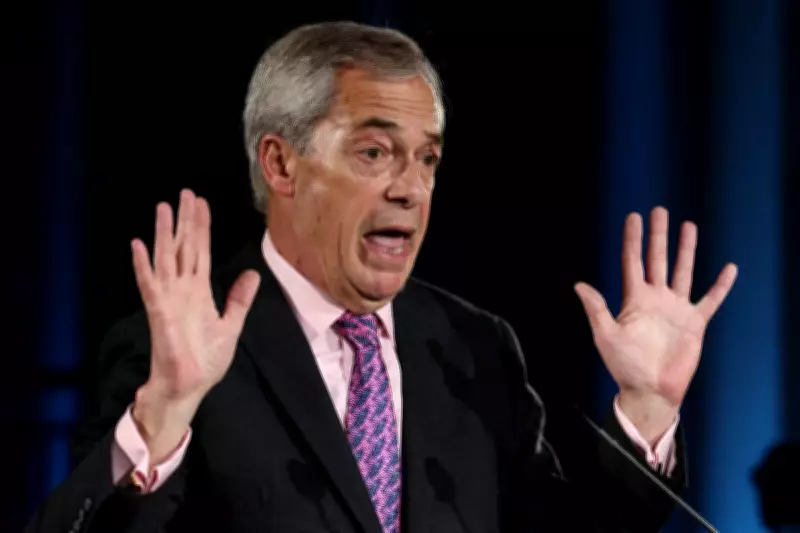
Reform UK has announced a temporary halt to leader Nigel Farage's burgeoning Cameo career, citing security concerns, in a move that highlights the growing trend of British politicians monetising their influence. This pause sheds light on how figures across the political spectrum are increasingly turning public roles into private income streams, blurring the boundaries between service and personal gain.
The Rise of Political Cameos and Crypto Ventures
Cameo, a platform where celebrities and politicians create personalised videos for fans for a fee, has become a notable avenue for such earnings. Farage, who became an MP in 2024, has reportedly registered approximately £80,000 in income from his account. His videos have included controversial content, such as messages linked to individuals convicted of violent disorder and neo-Nazi events, sparking public debate.
Beyond Cameo, politicians are exploring other ventures. Former chancellor Kwasi Kwarteng recently unveiled Farage as a strategic investor in Stack, a new crypto Bitcoin treasury. Kwarteng's announcement video on social media, which misspelled "credibility," underscored the sometimes amateurish nature of these endeavours, raising questions about professionalism in political side hustles.

Ethical Dilemmas and Widespread Practices
Farage and Kwarteng are not isolated cases. Many politicians, both current and former, are capitalising on their positions for financial gain. For instance, Boris Johnson is said to charge over £200,000 for speeches, while others engage in paid appearances or endorsements. This trend raises ethical concerns about whether such activities compromise public trust and divert focus from official duties.
The motivations are multifaceted. Financial needs, such as funding lifestyles or recovering from political setbacks, play a role. Kwarteng, for example, faces limited corporate opportunities after the mini-Budget disaster. However, there is also a strategic element: these ventures offer visibility and influence. A viral Cameo video by Farage for a school prank, costing around £100, reached thousands, demonstrating how minimal effort can yield significant public exposure.
Broader Implications for Political Integrity
Even the prime minister is involved in similar dynamics. Reports indicate that the Labour Party pays agencies to recruit influencers for promoting cost-of-living messages, while official engagements often include pre-recorded messages or notes for events. This creates a grey area where political communication blends with paid promotion, potentially undermining transparency.
The situation prompts reflection on where to draw the line. While some argue that politicians have a right to earn outside income, others worry it erodes public confidence and prioritises profit over service. The unacknowledged vetting of inquiries, as mentioned in the original article, suggests an informal system to manage risks, but it may not be sufficient to address deeper ethical issues.
As British politics continues to evolve, the monetisation of influence through platforms like Cameo and crypto ventures challenges traditional notions of public service. It calls for clearer regulations and greater accountability to ensure that political roles remain focused on serving the public, rather than personal enrichment.