Nigel Farage Claims Iran Represents a Greater Global Danger Than Putin
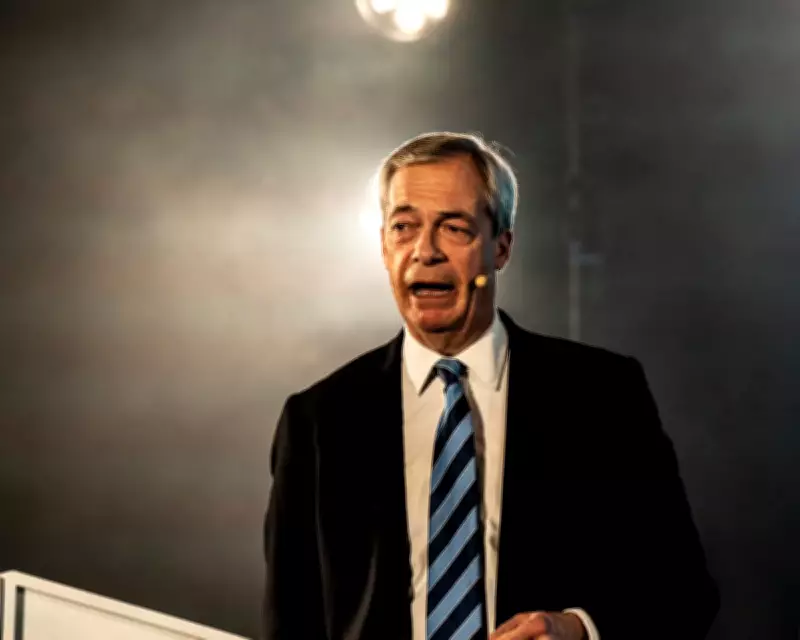
In a revealing interview with the New Statesman, Reform UK leader Nigel Farage has asserted that Iran "potentially poses a bigger danger than Putin poses to us", a statement that has ignited fresh scrutiny over his geopolitical stance. This bold declaration comes despite Russia's possession of nuclear weapons and its ongoing invasion of Ukraine, highlighting Farage's shifting perspectives on international threats.
Farage's Evolving Position on Iran and Accusations of a U-Turn
Historically, Farage supported America's military actions against Iran from the outset, advocating that "the gloves need to come off" and urging full support for such operations. However, he now faces accusations of a significant policy reversal after recently cautioning against involvement in another foreign war, stating, "If we can't even defend Cyprus, let's not get ourselves involved." This apparent contradiction has raised questions about the consistency of his foreign policy approach.
During the interview, conducted while Farage visited Florida over the weekend, he elaborated on his views, explaining that Iran's actions represent a genuine threat to global stability. He emphasised that preventing Iran from acquiring nuclear weapons would justify military interventions, marking a distinct departure from his past opposition to conflicts like the Iraq war and the 2011 strikes on Libya.

Context of Farage's Controversial Stance on Russia
Farage's remarks are set against a backdrop of long-standing criticism from both Labour and the Conservatives regarding his position on Russia. He has previously expressed admiration for Vladimir Putin as a political operator and warned against provoking Russia, even suggesting that the EU played a role in inciting the Ukraine conflict. Following backlash, he condemned Putin's invasion as "immoral, outrageous and indefensible" but maintained that engaging without adequate means or political will is unwise.
Additionally, Labour has accused him of echoing Kremlin narratives, particularly after he opposed deploying UK troops to Ukraine as peacekeepers post-conflict. These controversies underscore the ongoing debate over Farage's influence on defence and foreign policy discussions within the UK.
Farage's Diplomatic Outreach and Defence Policy Insights
In the same interview, Farage revealed his efforts to serve as a back-channel for communication with the White House, offering his connections to the Trump administration to Labour leader Keir Starmer. He claimed to have extensive contacts, including text exchanges with cabinet members, and proposed assisting "under the radar" to facilitate dialogue. This mirrors previous unsuccessful attempts to engage with the former Conservative government in a similar capacity during the last Trump administration.
On defence matters, Farage expressed "reasonable optimism" regarding current strategies and urged the Trump administration to maintain a firm stance on military bases like Diego Garcia. He criticised the UK's diminished military reputation, noting that American respect is now limited to special forces, and promised that Reform UK would adopt a "very different approach" to national defence, signalling potential policy shifts if his party gains influence.