Nigel Farage has come to the defence of a Reform UK candidate who resigned after photographs surfaced online appearing to show him performing a Nazi salute. The political figure suggested the images might depict an imitation of Basil Fawlty from the classic television comedy Fawlty Towers before the party confirmed the candidate's withdrawal.
Controversial Photographs Emerge
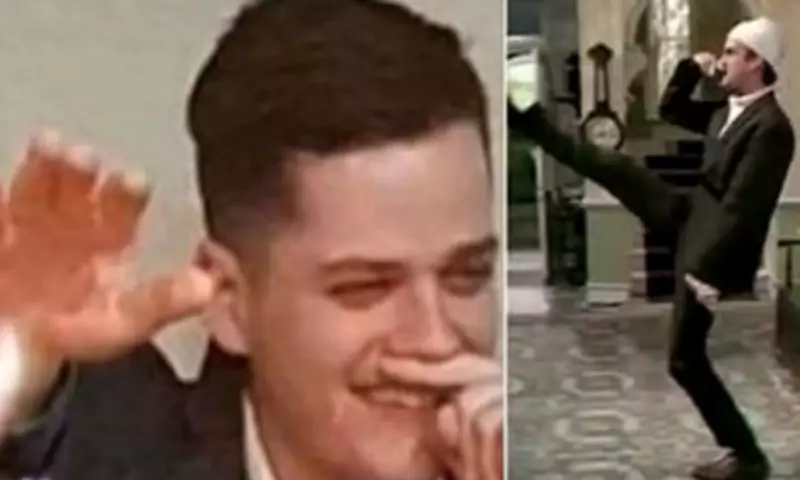
Photographs of Corey Edwards, aged 34, circulated on social media showing him with one arm extended in what resembled a Nazi salute while his other hand covered his upper lip, mimicking Adolf Hitler's distinctive moustache. The images quickly sparked widespread controversy and debate about their appropriateness for a political candidate.
Farage's Initial Defence
Initially responding to the controversy on Thursday, Nigel Farage offered a surprising explanation for the photographs. The Reform UK leader suggested Edwards might have been imitating John Cleese's iconic character Basil Fawlty from the 1970s BBC sitcom rather than making any genuine Nazi reference.

"It was a Fawlty Towers impression," Farage stated publicly. "Maybe we should ban the BBC, I don't know." When questioned about whether Edwards would face expulsion from the party, Farage responded firmly: "No. He's a human being."
Acknowledging the Sensitivity
Farage did concede that the photograph "looked terrible" when viewed in isolation. "I get the point - it looks terrible. Things in isolation often do. I wouldn't approve of it," he acknowledged during his defence of the candidate.
Despite the controversial nature of the images, Farage continued to support Edwards as the lead candidate for the Pen-y-bont Bro Morgannwg constituency in the upcoming May 7 election for the Welsh Parliament, commonly known as the Senedd.
Candidate's Resignation and Explanation
Just one day after Farage's public defence, Reform UK announced that Corey Edwards had stepped down from his candidacy. The party cited mental health issues as the reason for his withdrawal, marking a significant reversal from their previous position of support.
A Reform UK spokesperson stated: "Corey Edwards has informed us that he is stepping down as a candidate for the Senedd election this May, citing issues with his mental health. We wish him well for the future and hope his privacy can be respected at this difficult time."
Edwards' Personal Statement
In an earlier statement addressing the photographs, Edwards acknowledged their problematic appearance while offering context for his actions. "A photo from many years ago has been shared that I recognise looks bad and could be misinterpreted," he explained.
Edwards drew a distinction between his actions and genuine Nazi symbolism: "There is a clear distinction between ordinary use of the appalling gesture, compared with me imitating a Welsh footballer's use of it, or indeed Basil Fawlty's walk."
The former candidate emphasized his personal connections to those who fought against Nazi Germany: "The Nazi regime was the most barbaric ever, and I'd never make light of nor dilute its seriousness. My dear grandfather fought against the Nazis and his brother-in-law was a Prisoner of War."
Edwards also expressed support for Jewish communities: "I'm a staunch champion of Judaism, and it sickens me to see the recent openly antisemitic marches on the streets of Britain."
Political Background and Aftermath
Corey Edwards brought significant political experience to his Reform UK candidacy, having previously worked for the Conservative Party as a special adviser to former Welsh Secretary David TC Davies. His resignation represents another challenge for Reform UK as they prepare for the Welsh parliamentary elections.
In his concluding remarks before stepping down, Edwards reflected: "Like many young people, I have made mistakes. But I am proud of the person I am today and the values I stand for, and I hope that people judge me on the professionalism of how I conduct myself as a candidate and the contribution I can make going forward."
The incident has sparked broader conversations about historical sensitivity in political discourse, the interpretation of potentially offensive gestures, and the pressures facing political candidates in the digital age where past actions can resurface unexpectedly.