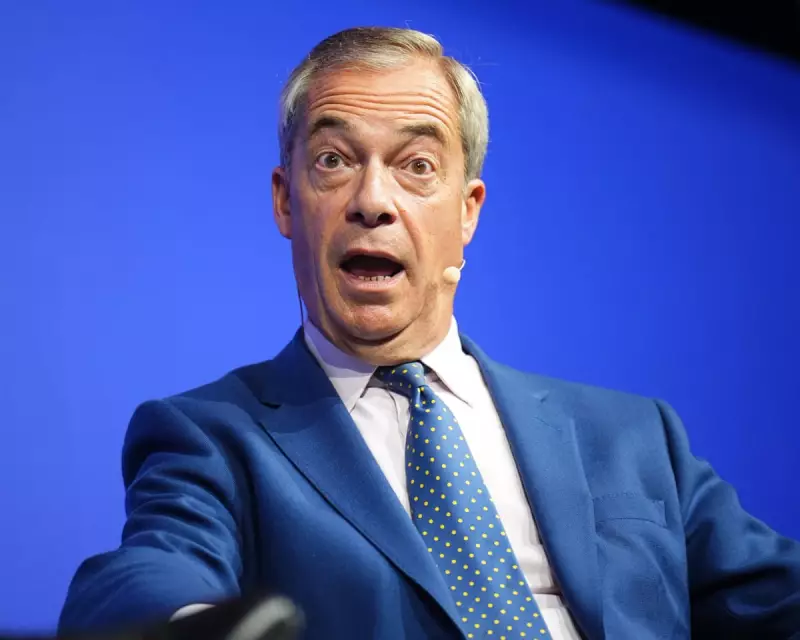
Nigel Farage has ignited a fresh political firestorm with controversial claims about what he describes as 'cultural Marxism' infiltrating British classrooms. The Reform UK leader's latest intervention places education at the centre of political debate, raising questions about the boundaries between political ideology and school curriculum.
The Westminster Confrontation
During a heated parliamentary exchange, Farage asserted that British children are being 'poisoned' by what he termed cultural Marxist ideologies within the education system. His comments came as part of a broader critique of current teaching approaches and curriculum content.
Education Secretary Bridget Phillipson delivered a sharp rebuttal, challenging Farage's terminology and defending the professionalism of Britain's teaching workforce. 'The real threat to our children's future,' she countered, 'isn't some phantom ideological menace, but the concrete consequences of educational disruption and underfunding.'
Beyond the Rhetoric: What's Really at Stake?
While the 'cultural Marxism' terminology dominates headlines, education experts suggest the debate masks more substantive issues facing UK schools:
- Curriculum Content: Ongoing discussions about what knowledge and values should be prioritised in modern education
- Teacher Autonomy: The balance between professional judgment and political oversight in classroom delivery
- Resource Allocation: The persistent challenge of ensuring adequate funding reaches frontline education services
- Educational Recovery: Addressing learning gaps exacerbated by recent disruptions to schooling
Political Strategy or Genuine Concern?
Political analysts observe that Farage's intervention represents a strategic positioning of education as a new battleground in cultural politics. The framing of educational debates through the lens of 'culture war' issues mirrors similar tactics employed in other Western democracies.
However, teaching unions and educational professionals have expressed concern that such rhetoric risks undermining public confidence in the education system and diverting attention from pressing practical challenges.
The Road Ahead for UK Education
As the debate continues, several key questions remain unresolved:
- How should schools navigate increasingly polarised political discussions about curriculum content?
- What safeguards exist to protect educational professionalism from political interference?
- Where should the line be drawn between legitimate political debate and potentially damaging rhetoric?
The controversy highlights the enduring tension between political oversight and educational independence—a balance that continues to evolve in response to changing social and political pressures.