DHS Shutdown Becomes Longest in US History as TSA Crisis Escalates
The partial shutdown of the Department of Homeland Security (DHS) has now become the longest in United States history, surpassing a previous record set late last year. If it continues beyond the weekend, this six-week impasse will also mark the longest government shutdown of any kind, exceeding 43 days.
TSA Staffing Crisis Hits Airports Hard
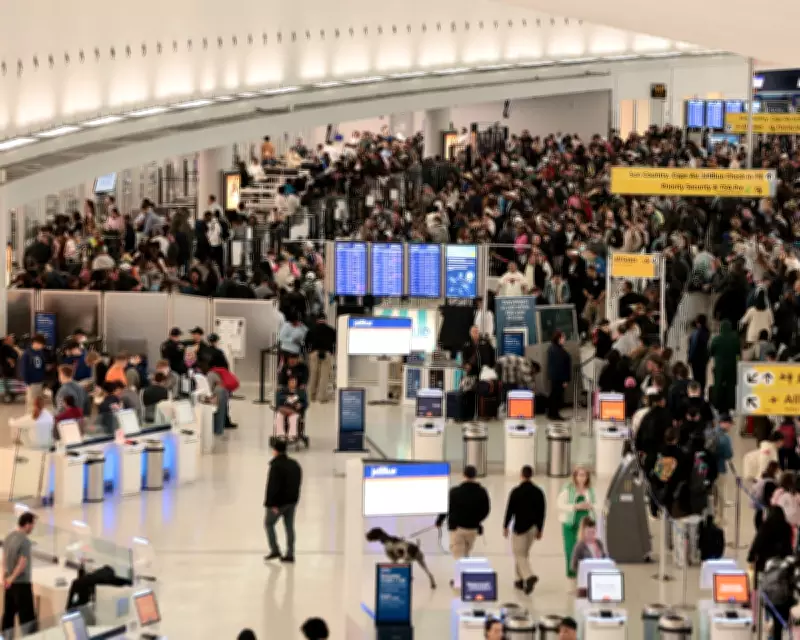
On Friday, more Transportation Security Administration (TSA) employees failed to report for work than on any other day during the shutdown, exacerbating queue misery for travelers at major hubs like JFK Airport in New York. According to DHS spokesperson Lauren Bis, over 3,560 TSA employees, or more than 12% of the agency's workforce, called out, with more than 500 officers having quit since the shutdown began. Bis cited financial hardships, including inability to afford gas, childcare, food, or rent, as key reasons.
Airports nationwide, including Baltimore and Houston, have warned passengers to arrive hours early due to unpredictable wait times, though some major airports report no issues. The TSA has lost over 480 workers entirely during this period.

Political Deadlock Over Funding and Immigration
Congress and former President Donald Trump have made multiple unsuccessful attempts to direct funds to DHS or the TSA, deadlocked over changes to Immigration and Customs Enforcement (ICE) operations. In a recent development, Trump signed a memorandum ordering DHS to restore pay to TSA employees, who have missed two paychecks, but the legality and funding source remain unclear.
Tom Homan, the White House border czar, stated that paying TSA agents is a start, with plans to issue payments by Tuesday. However, he emphasized that thousands of other DHS employees remain unpaid and that ICE agents will continue assisting at airports until normal operations resume.
Legislative Fissures and Public Outcry
The House rejected a Senate-passed bill funding much of DHS but excluding ICE and border patrol, creating a rift between Republicans in both chambers. House Speaker Mike Johnson criticized the Senate bill as a "gambit," while Majority Leader Steve Scalise expressed concerns it defunded 25% of DHS operations during a heightened threat level.
Everett Kelley, president of the American Federation of Government Employees, condemned the inaction, urging lawmakers to return from spring break recess to address the crisis. Airline leaders and airport executives have also appealed for bipartisan action, warning of continued passenger frustration and operational chaos.
Broader Implications and Future Outlook
Eric Chaffee, a law professor at Case Western Reserve University, noted that political polarization may hinder long-term solutions, even if short-term deals are reached. The shutdown highlights broader issues in US policymaking, with DHS, as the fourth-largest federal agency employing 193,867 workers, becoming a political football in funding disputes.
As the shutdown drags on, the focus remains on securing airports and supporting unpaid workers, with no immediate resolution in sight amid ongoing partisan divisions.