Denmark's General Election: Lars Løkke Rasmussen Forges Coalition Deal
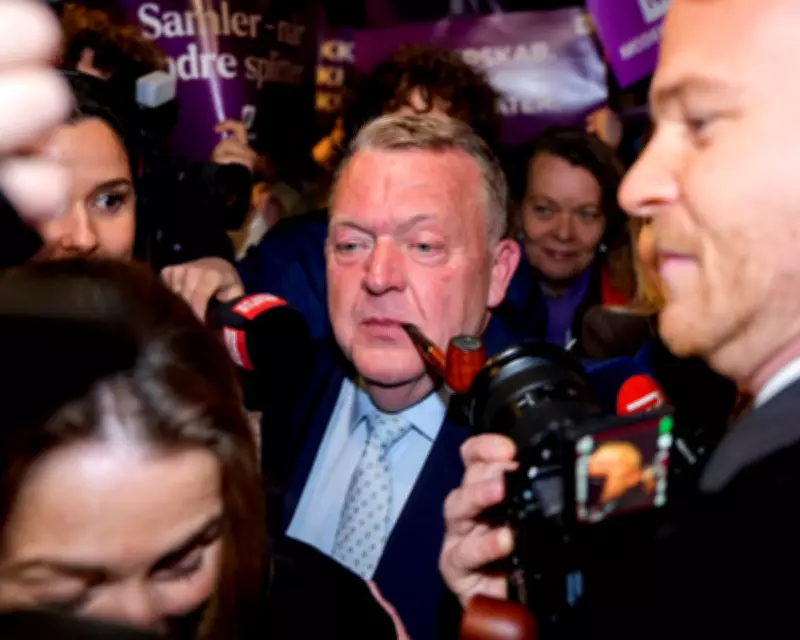
In a significant political development, Lars Løkke Rasmussen, the former prime minister of Denmark, has successfully negotiated a coalition agreement in the aftermath of the country's general election. This deal marks a pivotal moment in Danish politics, as it brings together a mix of centrist and right-wing parties to form a new government. The coalition is expected to address key national issues, including economic reforms and social policies, reflecting the diverse mandates from the recent electoral process.
Background and Political Context
Lars Løkke Rasmussen, a seasoned political figure with extensive experience in Danish governance, played a central role in the coalition talks. His leadership and negotiation skills were crucial in bridging differences between various political factions. The general election, held recently, resulted in a fragmented parliament, necessitating complex discussions to achieve a stable majority. Rasmussen's ability to navigate these challenges underscores his influence in shaping Denmark's political landscape.
Coalition Details and Implications
The coalition deal involves several parties, including centrist groups and right-wing allies, aiming to create a balanced government that can implement effective policies. Key areas of focus for the new coalition are likely to include economic stability, immigration reforms, and environmental initiatives. This agreement is seen as a strategic move to ensure governance continuity and address voter concerns raised during the election campaign. Observers note that the coalition's formation could lead to shifts in Denmark's domestic and international policies.

Impact on Danish Politics
The successful formation of this coalition by Lars Løkke Rasmussen is anticipated to have lasting effects on Denmark's political dynamics. It may influence future electoral strategies and party alignments, as well as set precedents for coalition-building in a multiparty system. The deal also highlights Rasmussen's enduring role as a key player in Danish politics, capable of steering the country through periods of political uncertainty. As the new government takes shape, its policies and decisions will be closely watched by both domestic and international stakeholders.