Conservative Anglicans Establish Rival Council to Challenge Archbishop of Canterbury
A significant development has unfolded within the Anglican Communion as conservative factions have taken a decisive step to establish a new governing body. This move directly challenges the traditional authority of the Archbishop of Canterbury and aims to reshape the leadership of the Global Anglican Communion.
Formation of the Global Anglican Council
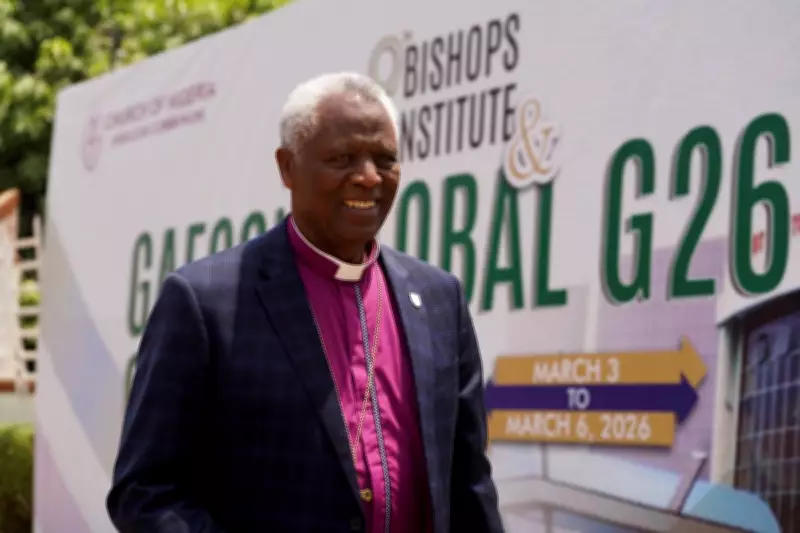
On Thursday, a group of conservative Anglicans, primarily based in Nigeria, announced the creation of the Global Anglican Council. This newly formed body is designed to include bishops, clergy, and lay members, all of whom will be granted full voting privileges. The council's establishment marks a bold attempt to redirect the direction of the Anglican Communion away from its current liberal tendencies.
The initiative is rooted in the Global Anglican Future Conference (GAFCON), an organization that unites conservative churches across Africa and Asia. GAFCON asserts that it now represents the majority of Anglicans worldwide and has been vocal in its opposition to progressive changes within the Communion.

Leadership and Structure
Rwandan Archbishop Laurent Mbanda was unanimously elected as the chair of the Global Anglican Council. However, it was emphasized that his role would not be that of "primus inter pares" or first among equals. Instead, power will be shared among the council members, reflecting a more collaborative approach to leadership.
Bishop Paul Donison, speaking at the conference, outlined the rationale behind this new structure. He stated, "Believing the current instruments of communion no longer meet the needs of the majority of Anglicans around the world, the global Anglican Communion is to be led by a conciliar structure." This statement underscores the group's dissatisfaction with existing governance and their desire for a more representative system.
Challenges to Traditional Authority
The group has made it clear that the chair of the new council is intended to "replace the role traditionally held by the Archbishop of Canterbury." This represents a direct challenge to the historic centrality of the Archbishop of Canterbury within the Anglican Communion. The move follows previous criticisms from GAFCON, including their strong opposition to the Church of England's appointment of Sarah Mullally as the first female Archbishop of Canterbury last October.
GAFCON's conservative stance is firmly against liberal shifts within the Communion, such as the ordination of women and greater inclusion of LGBTQ+ members. The formation of this council is seen as a strategic effort to consolidate conservative influence and potentially lead the majority of Anglicans who share these views.
As the Global Anglican Council begins its work, it remains to be seen how this development will impact the unity and future direction of the Anglican Communion worldwide.