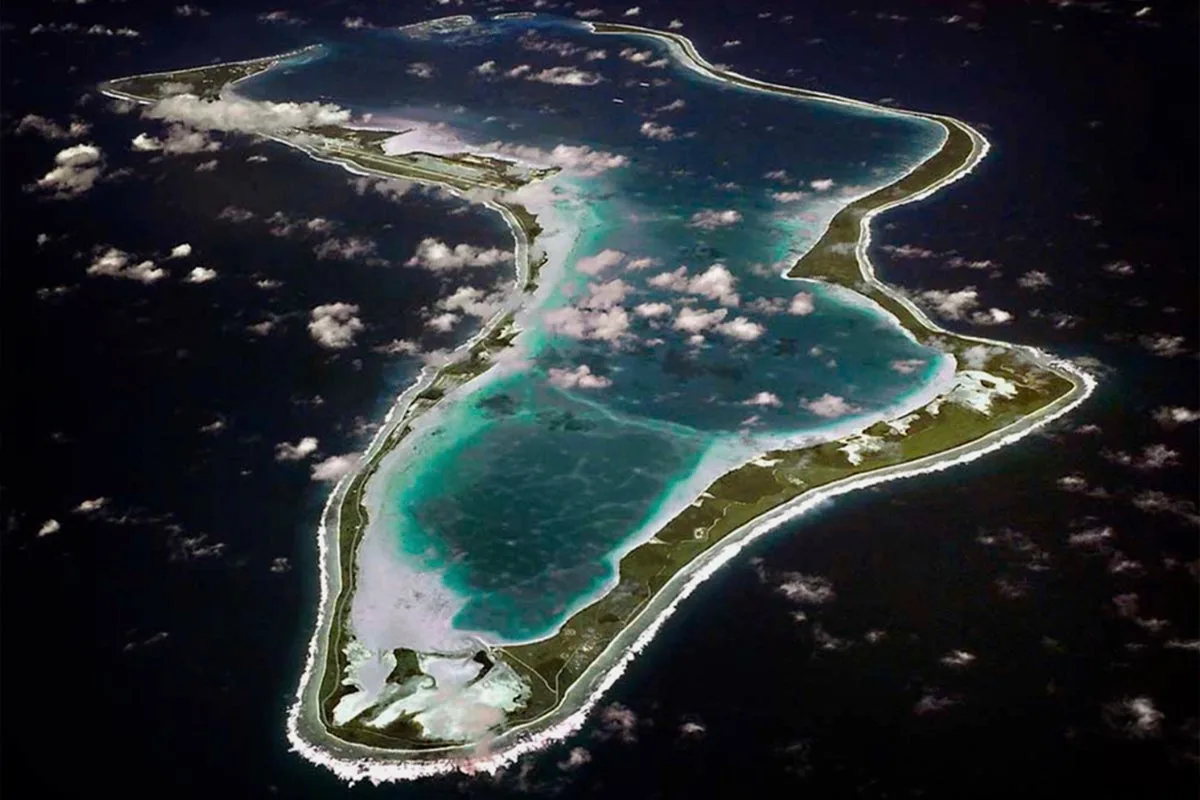
A landmark court ruling has dealt a significant blow to Prime Minister Keir Starmer's plan to hand over the Chagos Islands to Mauritius. Justice James Lewis of the British Indian Ocean Territory (BIOT) Court ruled that Chagossians expelled in the 1960s and 1970s have the right to live on the islands, overturning a 2004 law that prevented their return.
The judgment reverses previous legal decisions and concludes that the government's earlier arguments against resettlement—based on national security and cost—no longer apply. Justice Lewis noted that the proposed deal with Mauritius, which he estimates could cost UK taxpayers £51 billion, invalidates the claim that enabling Chagossians to return would be too expensive.
The ruling also draws on the UK's United Nations obligations to affirm the Chagossians' 'right of abode' on their homeland, making it nearly impossible to transfer the islands to Mauritius. The government has lodged an appeal, which has been granted and will be heard by the BIOT Court of Appeal.
The case was brought after four Chagossians occupied one of the islands earlier this year. Louis Misley Mandarin, who described himself as the elected first minister of the Chagossian government-in-exile, told the court: 'We are Chagossians... We have long wanted to return, and we had sought permits to visit, but no one answered us, so we have come here to prove we would still like to return.'
The return expedition was funded by Reform UK's biggest donor, Christopher Harborne, and led by former Tory MP Adam Holloway. In his ruling, Justice Lewis criticised Nigel Farage and other Reform figures, stating they do not have the right to go to the islands.