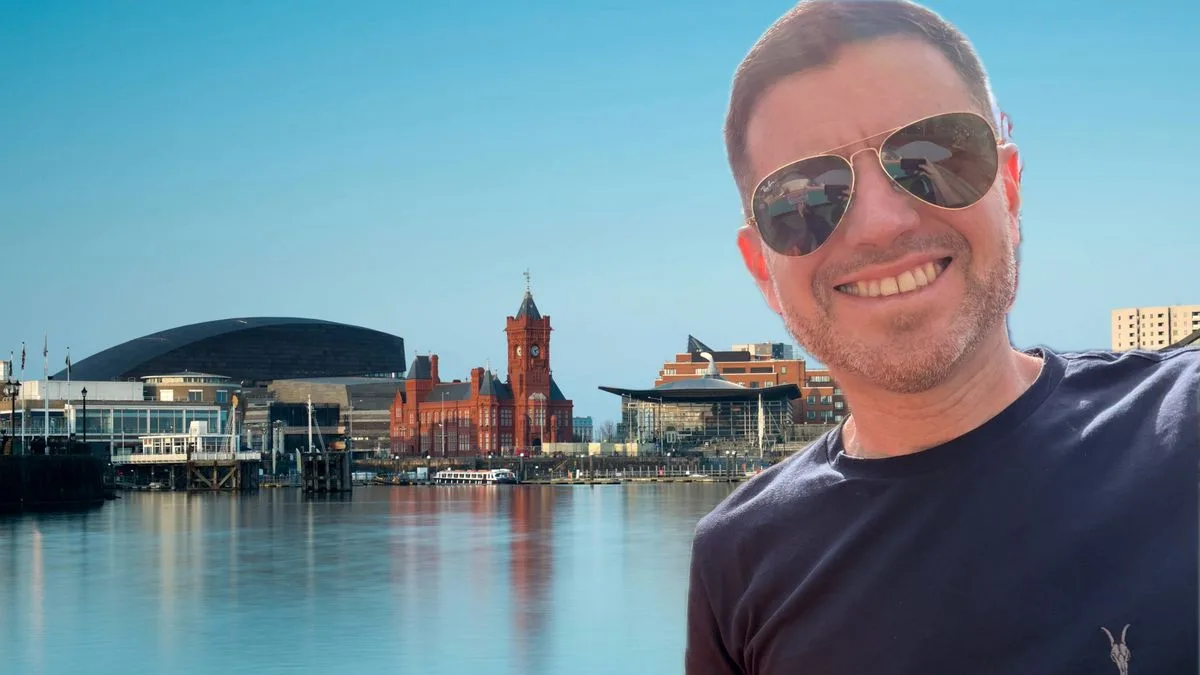
Cardiff, the capital of Wales, is often overlooked by tourists despite being one of the UK's finest seaside cities. Official tourism data ranks it as the 12th most-visited city in Britain for overnight stays, trailing behind Brighton, Oxford, Bristol, and Bath. However, locals argue that this underappreciation means many are missing out on a unique urban experience.
The city is consistently ranked among the greenest in the UK and Europe. In 2021, a university study named it the UK's third greenest city, while in 2022 it topped a list for most green spaces per 100,000 people. In 2024, a Europe-wide poll declared Cardiff the best city for families with young children. The centrepiece is Bute Park, which, together with Llandaff Fields, stretches 2.3 miles—roughly the length of New York's Central Park. From Cardiff Castle, a six-mile walk along the River Taff leads to Castell Coch, passing through parks and nature reserves without leaving green space.
Other green gems include Cefn Onn Park, a grade II-listed historic park on the northern fringes, and Forest Farm on the banks of the Taff, which features remnants of the Glamorganshire Canal and the Melingriffith waterpump. On the city's western edge, St Fagans National Museum of History offers a unique experience: a reconstructed rural village with buildings dismantled from across Wales and rebuilt on-site, including a 17th-century farmhouse and an 18th-century chapel. The museum is free and easily accessible by bus.
Cardiff's walkability extends beyond its parks. From the city centre, a half-hour walk leads to Cardiff Bay, formerly known as the Docks or Tiger Bay, which is a vibrant waterfront area. The city's atmospheric suburbs allow visitors to live like locals, and its abundance of green spaces makes it one of the most walkable cities in the UK.