Cabinet Minister Urges Chancellor to Extend Fuel Duty Freeze as Oil Prices Surge
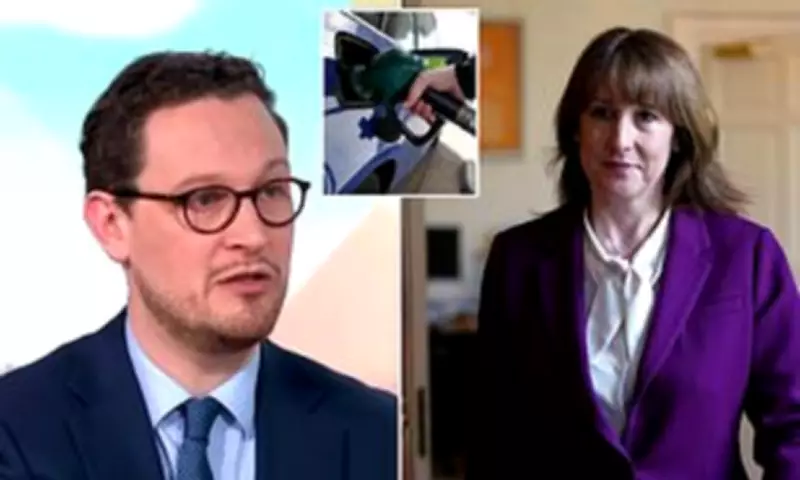
A senior Cabinet ally of Sir Keir Starmer has intensified pressure on Chancellor Rachel Reeves to maintain the freeze on fuel duty, as escalating tensions in the Middle East send oil markets into turmoil. Darren Jones, the Chief Secretary to the Prime Minister, used a series of media interviews to suggest that the Treasury should consider extending the current freeze, which is scheduled to expire in September.
Reeves Defends Planned Hike Amid Volatile Market Conditions
Chancellor Rachel Reeves has defended her plans to increase fuel duty from September, arguing that current petrol prices remain lower than under previous Conservative government proposals. In a statement to MPs, she noted that petrol is currently 8 pence per litre cheaper than it would have been under the old plans, with a further reduction to 11 pence per litre expected by April. However, she acknowledged the extreme volatility in oil markets, attributing it to the ongoing conflict in the Middle East and emphasising the need for de-escalation to address cost-of-living pressures.
Jones Calls for Government Action to Support Drivers
In contrast, Darren Jones asserted on the BBC's Today programme that the government must take proactive steps to assist motorists. He highlighted that the Chancellor had already frozen fuel duty from the last Budget through to the end of the year and indicated that this issue would be revisited in future budget discussions. Jones stressed that the administration is positioned to implement measures that could alleviate financial strain on drivers, particularly as pump prices continue to rise sharply.

Oil Market Chaos and Inflationary Pressures
The urgency of the situation is underscored by recent developments in global oil markets. Following threats from the Trump administration against Iran over potential mining of the Strait of Hormuz—a critical oil transit route—prices have experienced wild fluctuations. Although prices retreated slightly after comments from Donald Trump suggesting military operations were "very complete," the Strait remains effectively closed, blocking approximately one-fifth of global oil supplies.
Recent data reveals that petrol prices have increased by 3.5p per litre in just one week, reaching 135.67p, while diesel has surged by 6.9p to 149.01p. The Office for Budget Responsibility (OBR) has warned that if oil and gas prices persist at current levels, inflation could remain at 3% until year-end—a full percentage point higher than forecasted in the recent Spring Statement. This inflationary pressure complicates the Bank of England's efforts to reduce interest rates, dashing hopes for mortgage relief this month.
Global Warnings and Maritime Incidents
Amin Nasser, CEO of Saudi Aramco, has issued a stark warning about "catastrophic consequences" for global oil markets if the Middle East conflict continues to disrupt exports. While Aramco is currently meeting customer demands by tapping into storage outside the Gulf, Nasser cautioned that this is not a sustainable long-term solution. Meanwhile, maritime incidents have further heightened tensions, including an attack on a cargo ship in the Strait of Hormuz and a separate projectile strike off the UAE coast, though no group has claimed responsibility for these events.
Iran has threatened to halt all oil shipments from the region if US and Israeli attacks persist, exacerbating supply concerns. As the government grapples with these complex economic and geopolitical challenges, the debate over fuel duty remains a focal point in efforts to stabilise household finances amid ongoing uncertainty.