Brother's Emotional Appeal to House of Lords on Assisted Dying
The brother of a woman who travelled from the UK to the Dignitas clinic in Switzerland is making a heartfelt plea to the House of Lords to "show some compassion" as he remembers the final moments he shared with his sister. Terminally ill campaigners will gather outside Parliament on Friday to mark the second anniversary of Paola Marra's death at Dignitas, coinciding with the 11th day of committee stage debates on the assisted dying bill.
Paola Marra's Journey and Final Message
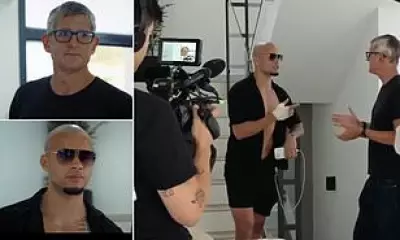
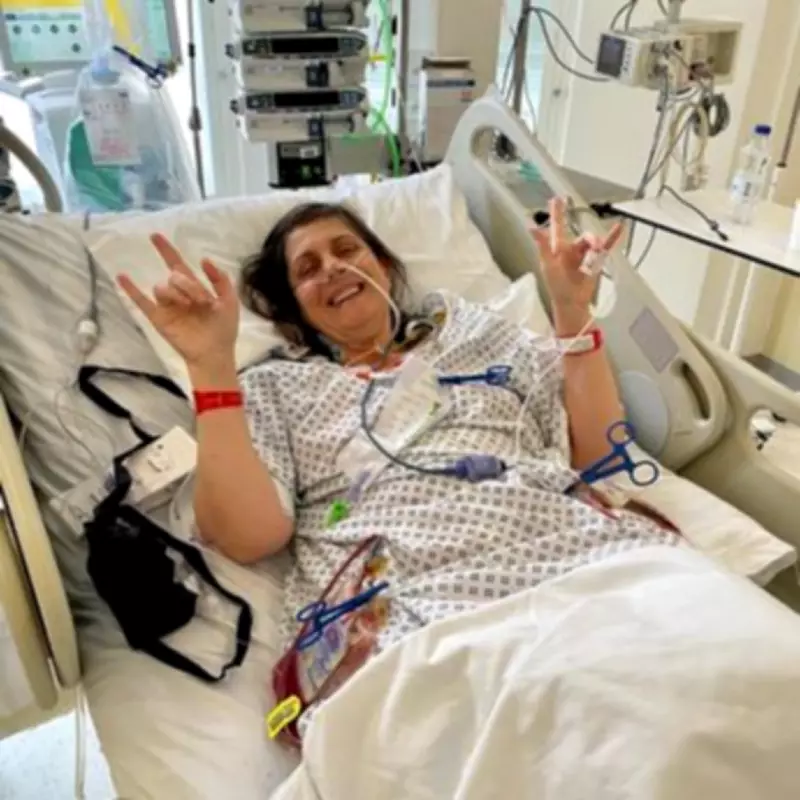
Before her death, Paola Marra, the 53-year-old former music industry worker and ex-wife of Blur drummer Dave Rowntree, was enduring "unbearable" pain from breast and bowel cancer. Despite her suffering, she dedicated her remaining time to creating a film advocating for a change in UK assisted dying laws. The film opens with the poignant line: "When you watch this, I will be dead."
Her brother, Tony Marra, a 56-year-old actor and filmmaker based in Canada, described their last video call. "The connection wasn't very strong, so we were kind of speaking over each other," he recalled. "Finally, she said, 'I've got to go,' and we said, 'I love you.' The look on her face - I'll never forget - it was just full of love."

The Cruelty of Current Laws
Tony expressed deep frustration that he could not be with his sister in Switzerland due to legal risks. "I was gutted. I really wanted to be there with her," he said. "She was determined to see it through and not get me in trouble. I think it's cruel." He noted that Paola had chosen to die alone to protect him from potential prosecution, relying on the compassionate staff at Dignitas for support.
In her public film, Paola articulated her reasons for seeking assisted dying: "I refuse to let a terminal illness dictate the terms of my existence. The pain and suffering can become unbearable. It's a slow erosion of dignity." She emphasised that assisted dying is about "reclaiming control" and "dignity," urging viewers to support legal reform.
Call for Compassion in Parliament
Tony has directed a message to the House of Lords, urging them to prioritise compassion over personal beliefs. "I would ask them to have some compassion and put their personal beliefs, whether they be religious or political, aside," he stated. "Think of those who are currently dying and even those who have yet to be diagnosed."
Reflecting on the recent defeat of an assisted dying bill in Scotland, Tony admitted, "I was a little gutted because I thought it would create great momentum." However, he remains optimistic, noting increased support among MSPs and MPs. "I think we're heading in the right direction," he added, criticising a "small group of unelected peers" for blocking progress in England.
Celebrating Life Amidst Pain
Despite her "unbearable" pain, Paola organised a celebration of her life with friends before her death. "She loved London, and when she had a date picked, I came to the tea party and really celebrated," Tony shared. He described her resilience in creating the film while managing pain from multiple surgeries and treatments, including chemotherapy and bowel operations that caused painful blockages and side effects.
Tony highlighted the disparity in access to assisted dying, noting that his wife, who has secondary breast cancer and lives in Toronto, has the option should she choose it. "She knew that as she got close to the end that those side effects would prevail," he said of Paola, explaining her desire to avoid further suffering.
Campaigners' Protest and Opposition Concerns
Dying in Dignity, the group organising Friday's protest, stated, "While the Lords scrutinise this Bill, people are still being failed by the current law in the same way Paola was." They emphasised that the bill has garnered public support and passed two free votes in the Commons, yet faces obstruction from peers opposed to assisted dying.
Opponents of the bill, however, raise significant concerns. Independent MSP Jeremy Balfour, who was born with disabilities, argued that disabled people are "terrified" of such legislation, warning it could open "a Pandora's box" with inadequate protections against coercion. These debates underscore the complex ethical and legal challenges surrounding assisted dying reform in the UK.