Britons Firmly Reject Trump's War Fixation as Labour Faces Pressure to Align with US Policy
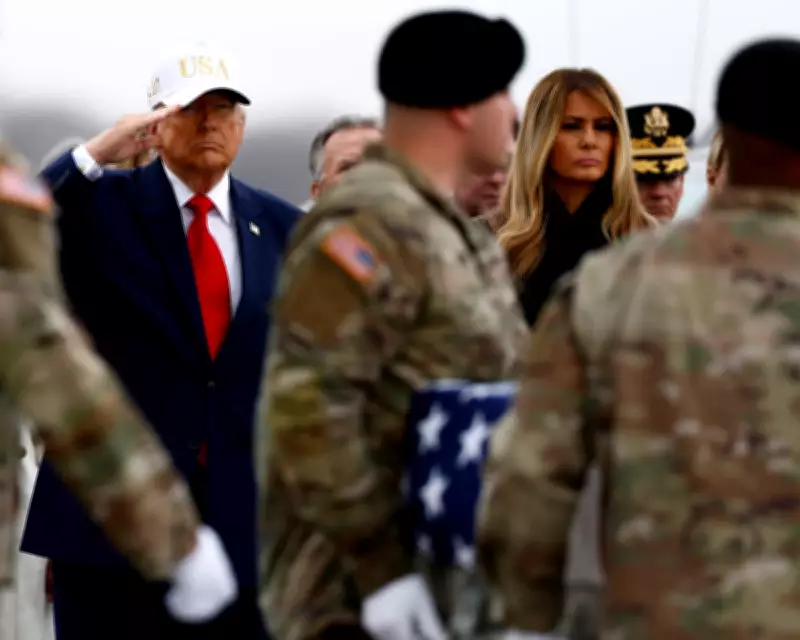
In a stark visual moment, Donald Trump saluted as US army teams moved flag-draped coffins at Dover in Delaware on 7 March 2026, symbolising the grim realities of military conflict. This image underscores a deepening crisis as Britain grapples with calls to support US-led actions in Iran, a move overwhelmingly opposed by the British public.
Labour's Dilemma: Kowtowing to US Foreign Policy or Heeding Public Sentiment
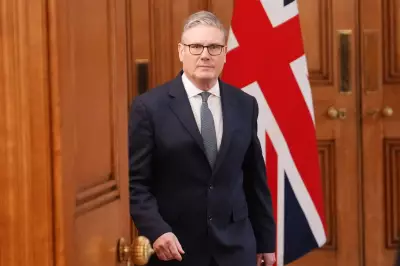
Keir Starmer's positioning on the Iran war has sparked intense debate, with critics labelling it a lack of political compass. However, the core issue transcends mere policy disagreements. British involvement in this conflict is not a minor adjustment like tax changes or budget allocations; it represents a grave crime under international law, as defined by the UN charter, which prohibits force unless in response to an actual or imminent attack.
Pressure on Starmer emanates predominantly from conservative circles. Tony Blair, advocating for unwavering support of America, echoes his past role in dragging Britain into the Iraq and Afghanistan catastrophes. Similarly, Nigel Farage, Tory leader Kemi Badenoch, and rightwing media outlets demand Britain act as Trump's subordinate, despite their previous rhetoric about reclaiming control from Brussels.
This alignment reveals a troubling narrative: political and media elites remain incapable of learning from past failures. The disasters in Iraq, Afghanistan, Libya, and Gaza have not spurred accountability or reflection, leaving discourse trapped in amnesia with fatal consequences.
The Human and Environmental Toll of the Iran War
The war in Iran has exacted a devastating human cost. According to the Human Rights Activists news agency, over 1,000 civilians have been confirmed killed, a figure likely underestimated. Tragic incidents include a strike on a school that killed 168 people, mostly young girls, with US investigators reportedly attributing responsibility to the US military. Attacks on medical facilities, a water desalination plant, and oil refineries have triggered environmental catastrophes, such as black rain and toxic air in Tehran.
Trump's ominous declaration that Iran's map may change post-war hints at dismemberment, while his disregard for democracy in the region echoes past errors. Unlike previous conflicts, Iran possesses the capability to retaliate, leading to soaring oil prices and severe global economic impacts, described by economics professor Jo Michell as nearing a worst-case scenario.
Lessons Unlearned: The Legacy of Past Conflicts
The failures of Iraq, Afghanistan, Libya, and Gaza serve as grim reminders. In Iraq, hundreds of thousands were slaughtered, sectarian violence erupted, and Islamic State emerged, leaving a corrupt government in its wake. Afghanistan saw two decades of occupation marred by war crimes, ending with a resurgent Taliban. Libya descended into civil war and jihadi insurgencies, becoming a failed state. Gaza has been devastated, with death tolls exceeding 100,000.
Beyond the human suffering, Britain has borne significant costs. Approximately £47bn in today's money was squandered on these conflicts, funds that could have addressed real security threats like climate change. The "blood price" paid, as Tony Blair termed it, fell on working-class communities, with 636 British soldiers perishing in Iraq and Afghanistan.
Security repercussions include increased terrorism threats, as noted by the Chilcot inquiry and evidenced by radicalisation linked to UK military operations, such as in the Manchester Arena bombing.
Public Opinion and Political Disconnect
British public sentiment has shifted dramatically. While majorities initially supported the Afghan and Iraq wars, YouGov now finds 49% of Britons oppose the Iran war, with only a fifth in support. This reflects a rational consensus born from lived experiences of ruinous conflicts.
Yet, this public wisdom is marginalised by political and media elites, contributing to the rise of the Green party and broader disillusionment. Millions view ruling elites not as moderate leaders but as extremists perpetuating cycles of violence without learning from past wreckage.
This establishment subservience to the US has led to repeated slaughters, destabilised global security, wasted resources, and endangered British lives, underscoring a forfeiture of the right to rule. The time for change is urgent, as Britain must prioritise its own security and moral integrity over blind allegiance to US foreign policy.