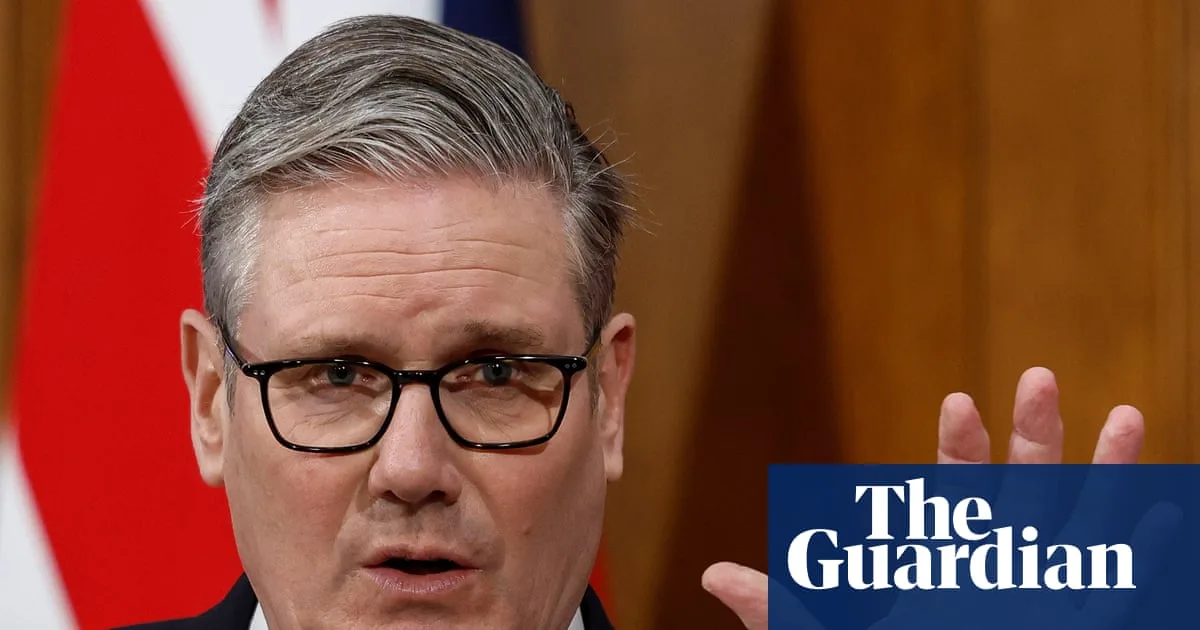
Prime Minister Keir Starmer has stated that the UK will not be drawn into a wider war in the Middle East, amid mounting concerns over US demands for British military involvement in keeping shipping lanes open. Speaking at a Downing Street press conference, Starmer said he was 'looking through the options' after US President Donald Trump called for allies to send warships to the Strait of Hormuz to help unblock global oil supplies.
Starmer acknowledged the decision was 'difficult, there's no hiding that' after Trump ratcheted up pressure by warning that Nato faces a 'very bad' future if members failed to come to Washington's aid. The UK, which is considering sending ships and mine-hunting drones to the region, is working with allies on a 'viable plan' to reopen shipping lanes, otherwise energy prices would remain high.
'While taking the necessary action to defend ourselves and our allies, we will not be drawn into the wider war. We will keep working towards a swift resolution that brings security and stability back to the region and stop the Iranian threat to its neighbours,' Starmer said. He added that he wanted to see an end to the war as quickly as possible, as the longer it goes on, the more dangerous the situation becomes for the cost of living at home.
Ministers have been alarmed by the apparent lack of a plan from Trump for ending the conflict, but Starmer said the UK 'must not lose sight' of the fact there would ultimately have to be a negotiated settlement. He said his decision not to join the initial US offensive had been a matter of principle, based on a 'calm, level-headed assessment of the British national interest'.
After oil costs surged following the outbreak of the Iran conflict, Starmer announced £53 million of government support for households reliant on heating oil to help with their bills. Lower-income households will get targeted support, while heating oil suppliers engaged in price gouging will face legal action and future market regulation. Starmer said he was not ruling out broader support for energy bills if costs rose when the cap ends this summer, but stressed that de-escalating the conflict should be the priority.
Starmer underlined his commitment to investing in renewable energy to give the UK more control over its own supply. 'We should go further and faster in relation to renewables. Let's get control of our own energy, so that whatever is happening in the world, we control what's happening in this country,' he said.