Treasury Secretary Assures No Tax Hikes for Iran Conflict as Funding Debate Intensifies
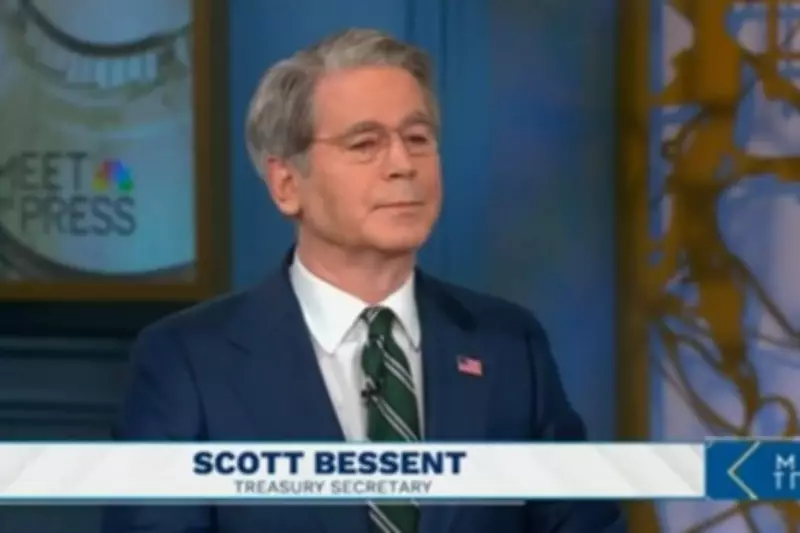
Treasury Secretary Scott Bessent has firmly denied that American taxpayers will face increased levies to finance the ongoing military engagement in Iran. This declaration comes as the Pentagon prepares to request hundreds of billions of dollars from Congress to sustain operations, now entering their fourth week. Appearing on NBC's Meet the Press, Bessent dismissed concerns about funding shortages, asserting that the administration possesses ample resources without resorting to tax hikes.
Bessent Defends Military Budget Amidst Scrutiny
During the interview, Bessent challenged what he termed a "terrible framing" of the issue by host Kristen Welker. He emphasized that the armed forces' current budget of $1 trillion is substantial, yet the administration seeks supplemental funding to further enhance military capabilities. "Why would we raise taxes? We have plenty. We have a trillion dollars in this year's budget for the military. And President Trump, even before the conflict started, had said that he would like to further build out the military," Bessent stated. He added that the supplemental request aims to ensure the military remains well-supplied for future challenges.
Unclear Sourcing for $200 Billion Request Raises Questions
Despite Bessent's assurances, he did not provide a clear explanation for where the additional $200 billion would originate. Historically, the administration has relied on tariff revenues to fund various initiatives, but this avenue has been constrained by a Supreme Court ruling limiting presidential authority to impose tariffs unilaterally. This ambiguity has sparked debate over the feasibility of the funding plan without impacting taxpayers or other government programs.

Economic and Political Fallout from the Iran Conflict
The war has triggered significant economic repercussions, particularly through the disruption of global oil supplies. Iranian forces have blocked the Strait of Hormuz, a critical passage for oil tankers, leading to a surge in global oil prices. In the United States, gasoline prices have spiked by nearly a dollar per gallon within a month, placing financial strain on consumers. This economic pain underscores the broader costs of the conflict beyond direct military expenditures.
Congressional Skepticism and Political Battles Loom
Congress is poised for a contentious debate over the funding request, with bipartisan skepticism emerging. Senate Majority Leader John Thune expressed uncertainty about the bill's passage, noting that specifics remain unclear. "It remains to be seen," Thune told CNN, highlighting the need for detailed review. Both Democrats and Republicans have voiced concerns about committing to a major Middle Eastern conflict, with some advocating for a swift end to hostilities.
Shifting Objectives and International Tensions
Administration officials have presented evolving goals for the war, ranging from degrading Iran's ballistic missile capabilities to regime change. President Trump continues to assert victory despite ongoing clashes, recently threatening to target Iranian power plants if the Strait of Hormuz is not reopened. Efforts to form a multinational coalition have largely failed, leading to speculation about potential ground force involvement, though Trump has denied such plans. Personal insults directed at European leaders, including UK Prime Minister Sir Keir Starmer, have further strained international relations.
Pentagon Emphasizes Funding Necessity
Pentagon chief Pete Hegseth underscored the importance of the funding request at a recent press conference, quipping that "it takes money to kill bad guys." He indicated that the $200 billion figure represents a minimum requirement, with potential for higher demands. As the war claims more American lives—currently 13 service members—critics accuse the administration of lacking a coherent strategy, intensifying the pressure for transparent and accountable funding solutions.