The BBC has issued an apology for a World Cup graphics error that displayed the wrong players during France's match against Senegal, while also making clear its stance on supporting pundits who face criticism. Meanwhile, former England manager Gareth Southgate has revealed he deliberately avoided a punditry role for the tournament to prevent any potential distractions for the England team.
BBC Apologises for Line-Up Graphics Mistake
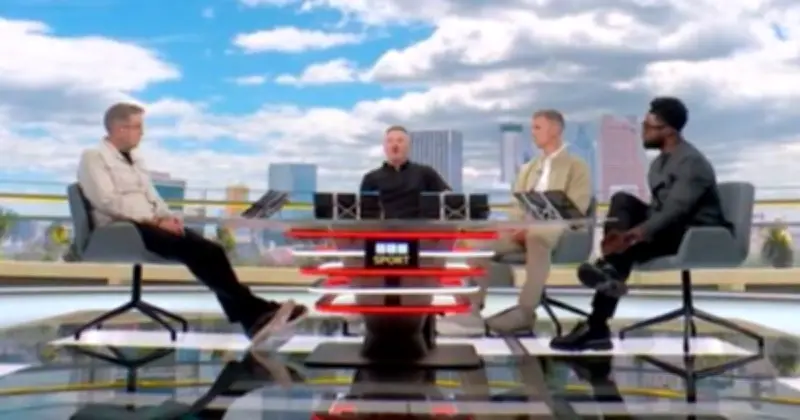
During France's group stage clash with Senegal, the BBC's on-screen teamsheet incorrectly showed Dayot Upamecano instead of William Saliba, and Jules Kounde in place of Ibrahima Konate. Viewers were quick to point out the error on social media, prompting the broadcaster to release a statement: "We apologise for this mistake." The incident is the latest in a series of on-air blunders that have drawn criticism from fans.
BBC Defends Pundits Amid Backlash
The corporation has a history of standing by its pundits when they come under fire. At the 2014 World Cup, Phil Neville faced heavy criticism for his commentary during England's defeat to Italy. Mark Cole, the BBC's head of football at the time, told The Independent: "He had a bad night at the office. He was really hurting that night when I spoke to him but he dusted himself down the next morning." This precedent has continued, with the BBC offering full backing to its analysts.
At the current World Cup, former Chelsea and Arsenal striker Olivier Giroud was drafted in as a pundit but was widely described as "disastrous" by viewers during Belgium's match against Egypt. Despite the negative feedback, the BBC has not commented on Giroud's performance specifically, but its general approach is to support its talent.
Southgate Explains Decision to Skip TV Role
Gareth Southgate, who led England to the final of Euro 2020 and the semi-finals of the 2018 World Cup, has chosen not to appear as a pundit for any broadcaster during the 2026 tournament. In a statement on Instagram before the competition, he said: "It's obviously a very different tournament for me this one, I've been at the last seven World Cups as a player, as a broadcaster, a scout and then as the manager. So this time I took a conscious decision not to do the TV. I didn't think it would be helpful for me to be talking about the team and I don't want anything to be misconstrued or thrown at them at press conferences, so best for me to keep out of the way."
Southgate's decision highlights the intense scrutiny that pundits face, which has led some former players and managers to avoid television roles altogether. The BBC and ITV have assembled a roster of high-profile pundits for their coverage, but the pressure to deliver flawless analysis remains high.
England's World Cup Campaign and Fan Reactions
England are competing in the 2026 World Cup in North America, with their new kits released by Nike ahead of the tournament. Fans have been vocal in their support and criticism of both the team and the broadcast coverage. The BBC's error and Southgate's absence have been among the talking points off the pitch.
As the tournament progresses, broadcasters will be keen to avoid further mistakes while continuing to provide expert analysis. The BBC's apology for the graphics error demonstrates its willingness to admit fault, but its defence of pundits suggests it will not bow to public pressure when it comes to its on-air talent.