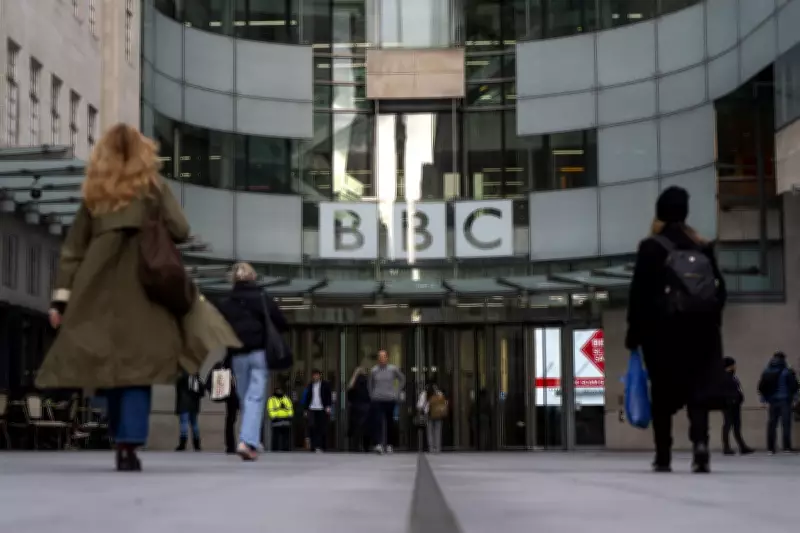
BBC Declares Licence Fee Model Unsustainable and Proposes Radical Funding Overhaul
The BBC has publicly stated that it is "willing to consider radical options for future funding", acknowledging that the current licence fee model is "not sustainable and needs reform". This announcement comes as the corporation grapples with significant financial pressures, including rising production costs and a steady decline in licence fee income.
Financial Pressures and Cost-Saving Measures
Facing these challenges, the BBC has set an ambitious new target of £500 million in savings over the next two years. The corporation has warned that achieving this goal will "inevitably mean changes, and we are looking at all options". Currently, the BBC is used by 94% of adults monthly, but only 80% actually pay the licence fee, highlighting a growing gap in funding.
Rejection of Subscription and Advertising Models
In its formal response to a Government consultation on its future, the BBC firmly rejected alternative funding models such as a subscription-based system. The corporation argued that this would transform the BBC into "a very different BBC" that would "not be universal". It warned that such a model would "turn a public service into a consumer product, excluding many households – particularly older people and people on lower-incomes".

The BBC also raised concerns about a two-tier or top-up subscription model, where commercial content like drama and comedy would be placed behind a paywall. This approach would "deny non-subscribing households, including those that cannot afford to subscribe, access to content that is central to the BBC's public purposes".
Similarly, the corporation dismissed moving to an advertising-funded model, noting it would also create a "different BBC" and draw revenue away from other public service broadcasters, potentially harming the broader media landscape.
Proposed Reforms and Concessions
The BBC expressed openness to radical thinking, particularly regarding proposals where more households pay the licence fee but at a reduced rate. The corporation stated: "We welcome this kind of radical thinking. A price cut to support the cost of living and affordability is not sustainable under the status quo, however in combination with other changes to protect universal funding it could be a bold move to support the BBC's long-term sustainability."
Additionally, the BBC is "open to operating more concessions to help with affordability". Currently, there are three concessions funded from licence fee income:
- Free TV licences for over-75s receiving pension credit
- Half-priced licences for the severely sight impaired or blind
- An annual fee of £7.50 for people living in certain types of care
The corporation emphasized its sensitivity to cost-of-living pressures, noting that "lower income households are likely to have felt the cost of the licence fee more acutely".
Opening iPlayer and BBC Sounds to Third Parties
One of the most significant proposals involves opening BBC iPlayer to other public service broadcasters like ITV and Channel 4, as well as their commercial services. Similarly, BBC Sounds could be made available to UK third parties. This move could allow popular shows such as The Great British Bake Off and Gogglebox to be accessible on iPlayer.
The BBC argued that "this could help ensure the UK retains a streaming platform that competes with global services and remains a first choice for audiences". Under this proposal, content would be clearly labeled to distinguish BBC-originated material from that of other providers.
Addressing Streaming Service Inconsistencies
The BBC also highlighted "complications and inconsistencies" in current regulations regarding streaming services. A TV licence is required to watch any live video content on services like Netflix and Prime Video, which frequently host live sports events. However, the BBC pointed out that "it is not widely understood by their audiences, and there is little or no effort made by the services in question to inform them".

Structural and Governance Changes
The corporation called for the Government to "take back full funding" of the World Service, which since 2014 has been primarily funded by the licence fee with a government contribution. The current arrangement "leaves it vulnerable to the BBC's wider financial challenges and does not allow long-term planning".
Furthermore, the BBC proposed ending the fixed-term charter period. The charter, which sets out the BBC's public purpose and is renewed approximately every decade, currently expires in December 2027. Eliminating this expiry date would remove the recurring threat to the corporation's existence that accompanies each renewal cycle.
The BBC also suggested changes to board appointment processes to ensure a more clearly defined and transparent procedure.
Leadership Transition and Broader Context
These proposals come during a period of significant transition for the BBC. Tim Davie resigned as director-general in November following allegations regarding the editing of a Donald Trump speech in a Panorama documentary. Rhodri Talfan Davies has been confirmed as the interim director-general and will assume the role from April 3.
The annual licence fee charge is set to increase to £180 from April 1, up from £174.50. Despite efforts to deliver more efficiencies and value for money, the BBC acknowledges that these measures alone will not be enough to plug the funding shortfall, making a comprehensive overhaul of the licence fee system necessary for the broadcaster's future sustainability.