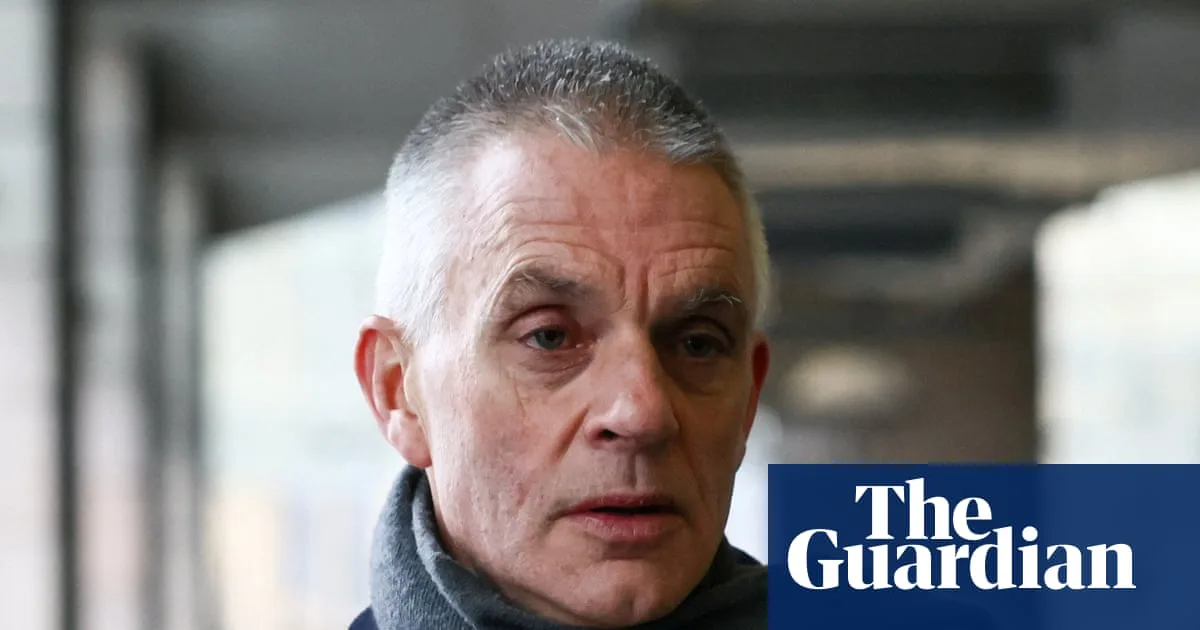
The BBC will face “profound jeopardy” over its future unless it embraces significant changes to its funding, its outgoing director general has said, as he signalled his support for an overhaul of the licence fee.
Speaking to the Guardian, Tim Davie called for supporters of the corporation to “stand up and fight” for it, amid increased hostility from its commercial and political critics. He said the BBC would be “in trouble” without serious changes to its funding model and more flexibility over the services it offers.
In a sign that the BBC leadership is looking at changes that would draw more households into funding the broadcaster, Davie said he did not want to simply increase the amount demanded from each licence fee payer. “We do want reform,” he said. “We do want reform of the licence fee. However, we’re not just about driving the amount we get from households higher.”

However, Davie rejected a suggestion that the BBC should be funded by advertising or subscriptions – options raised in a government paper on the public broadcaster’s future released last month. “If you go to advertising or subscription, you’re no longer a universal service,” he said. “It’s a societal choice.”
The BBC is in the process of examining how the licence fee could be made more progressive for some groups. Samir Shah, the BBC’s chair, has previously suggested switching to a household levy that could be collected through council tax. It would remove the need to enforce licence fee payment through controversial home visits and allow the payment to be adjusted so that poorer groups pay less.
Davie, who resigned last November after the fallout from the BBC’s edit of a Donald Trump speech, said he was opposed to a hybrid funding system. “What we’re fundamentally opposed to is splitting the BBC up by genre,” he said. “If you did ‘the drama is over there, the news is here,’ local news, which I think is really important, suddenly becomes very small, very fast. That would be the end of public service broadcasting.”