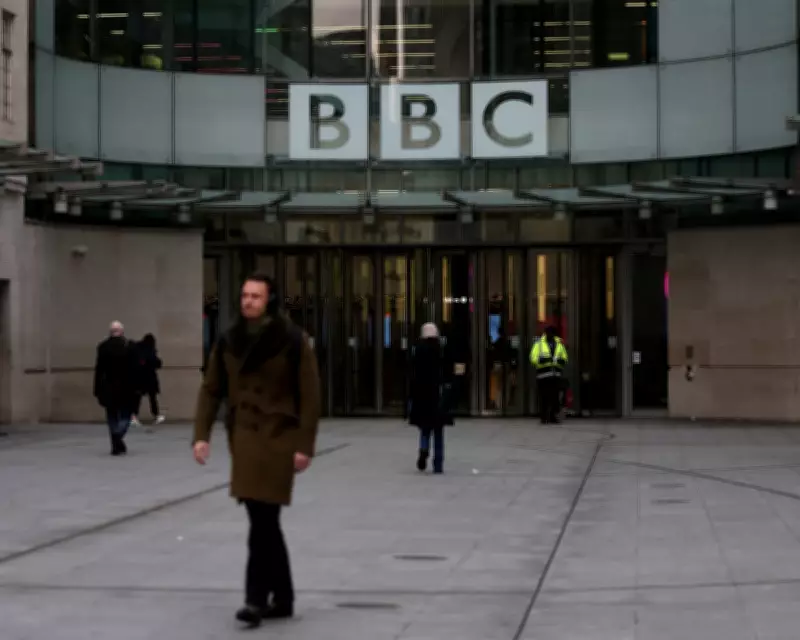
The BBC has issued a stark warning that it faces "permanent and irreversible" trends that will ensure its demise without a significant overhaul. In its opening response to government talks over its future charter, the corporation revealed a troubling divergence between the number of people consuming its content and those funding it through the TV licence fee.
Growing Gap Between Usage and Payment
According to the BBC, 94% of people in the UK continue to use its services each month, yet fewer than 80% of households contribute to the licence fee. This disparity underscores a critical challenge as the broadcaster navigates an evolving media landscape dominated by streaming platforms and digital content.
The rise of services like Netflix and YouTube has created confusion around when the TV licence is required, with many viewers unaware that watching live TV on these platforms necessitates payment. The BBC described this as "a mismatch" between outdated rules based on live television viewing and contemporary habits, where on-demand consumption is increasingly prevalent.

Risk of a Tipping Point
The broadcaster cautioned that without reform, a "tipping point" could be reached where those still paying the licence fee resent their contributions, potentially fueling greater non-payment. Current regulations, it argued, leave a "diminishing number of people paying for a service designed for and made available to everyone," threatening the BBC's public service mission.
In its 114-page document, the BBC suggested that the licence fee could become more progressive and even decrease for some groups if the government ensures broader compliance. However, it stopped short of specifying exact new rules, acknowledging that tough choices lie ahead to avoid managed decline.
Proposals for a Unified British Platform
To compete with global giants, the BBC proposed hosting content from ITV, Channel 4, and other public service broadcasters on iPlayer. This move aims to create a UK-owned streaming destination that retains audience scale, with support for various business models like advertising or subscriptions while keeping BBC content ad-free.
Similarly, the corporation plans to explore opening BBC Sounds to third-party creators, fostering a collaborative ecosystem. These initiatives seek to safeguard British media sovereignty in an era dominated by international streaming services.
Next Steps and Government Engagement
The BBC will now engage in intense discussions with ministers, with more concrete government proposals expected later this year. The document emphasized that the current funding model is unsustainable, stating, "The precise set of rules that require households to be licensed no longer reflect typical audience behaviour among many households in the UK."
As media consumption shifts dramatically, the BBC's call for reform highlights the urgent need to align funding mechanisms with modern viewing patterns, ensuring its continued role as a cornerstone of public service broadcasting.