In a striking intervention that's set to define the economic battleground for the coming months, Business Secretary Kemi Badenoch has issued a stark warning about the dangers of uncontrolled government spending.
The senior Conservative minister has thrown down the gauntlet to Chancellor Jeremy Hunt, urging fiscal restraint despite mounting pressure to loosen the purse strings ahead of a potential general election.
The Fiscal Reality Check
Speaking with characteristic bluntness, Badenoch emphasised that the Treasury simply doesn't have unlimited funds to satisfy every spending demand. Her comments come as multiple government departments queue up for additional funding, creating what she describes as an unsustainable "bidding war" for scarce resources.
"The money has to come from somewhere," Badenoch stated, delivering a reality check to colleagues who might be tempted by pre-election generosity. Her message underscores the fundamental truth that every pound spent must either be raised through taxation or borrowed—with future generations left to foot the bill.
Political Battle Lines Drawn
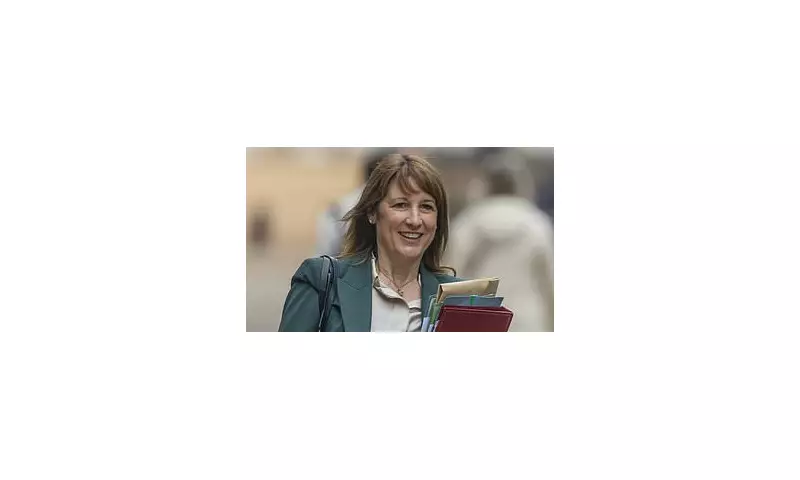
The Business Secretary didn't shy away from drawing clear political distinctions, taking direct aim at Labour's shadow chancellor Rachel Reeves. Badenoch accused Reeves of attempting to "have her cake and eat it" by promising both fiscal responsibility and significant new spending commitments.
This positioning sets up a classic economic debate for the election campaign: fiscal discipline versus investment in public services. Badenoch's argument rests on the premise that sustainable growth comes from responsible financial management, not spending splurges that risk destabilising the economy.
The Spending Pressure Cooker
Several factors are contributing to the intense pressure on public finances:
- Ongoing recovery from pandemic-era spending
- Persistent inflation driving up costs across departments
- Demands for improved public sector pay settlements
- Critical underinvestment in infrastructure and services
Badenoch's intervention suggests the government is preparing to resist these pressures, prioritising long-term stability over short-term political gains.
The Path Forward
Rather than opening the spending taps, the Business Secretary advocates for a focus on economic growth and efficiency. She argues that sustainable improvements in public services can only be funded through a growing economy, not through increased borrowing or taxation that could stifle that very growth.
This stance puts her at odds with those within her own party who believe targeted spending could boost the Conservatives' electoral prospects. However, Badenoch appears convinced that fiscal credibility will prove more valuable to voters than temporary spending increases.
As the political temperature rises and election speculation intensifies, this fundamental debate about the role of government spending is likely to dominate the economic conversation in Westminster and beyond.