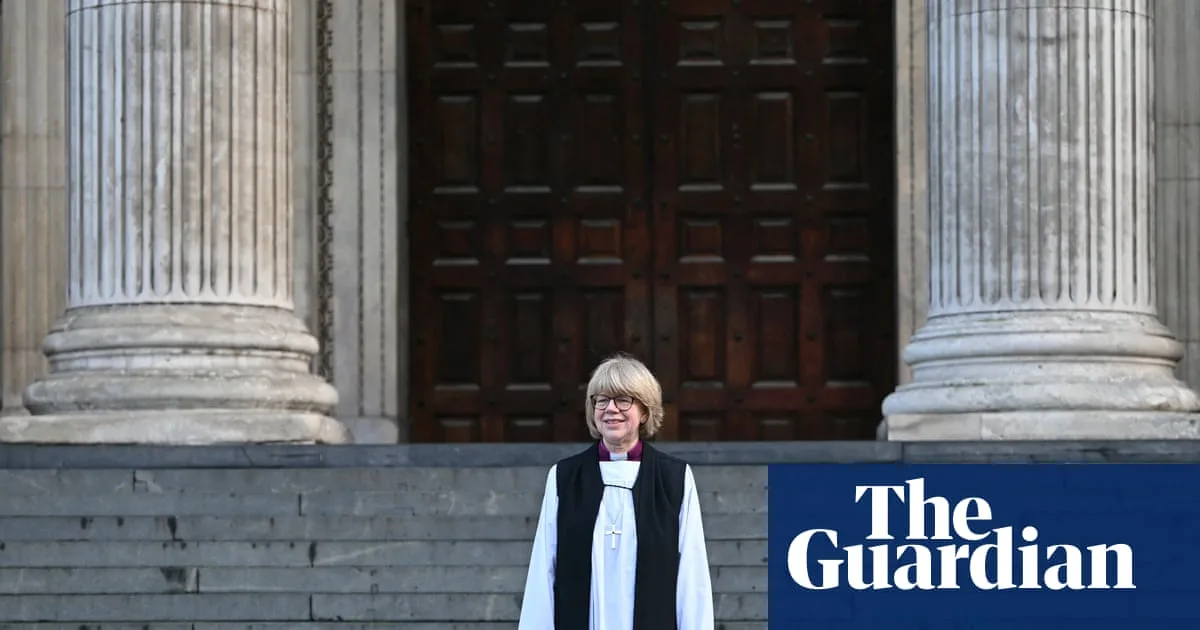
The newly inaugurated Archbishop of Canterbury, Dame Sarah Mullally, has robustly defended Project Spire, the Church of England's ambitious £100 million initiative aimed at confronting its historical connections to transatlantic slavery. This defence comes in direct response to a letter from 24 Conservative MPs and four Conservative peers, who argued that the funds should instead be directed towards struggling parishes across the country.
A Moral Calling to Address Historic Injustices
In her reply, Archbishop Mullally emphasised that the church has a profound "calling to confront historic justice." She asserted that Project Spire does not, in any way, diminish the church's ongoing support for parish ministries or clergy. On the contrary, she highlighted that financial backing for dioceses and parishes continues to see increases, ensuring that local communities are not neglected.
The Tory critics had expressed concerns, stating it is "wrong to try and justify diverting £100m" at a time when many churches are facing financial hardships and struggling to maintain their operations. However, Mullally's stance underscores a deeper ideological rift within the Anglican community, reflecting broader debates about the church's role in societal issues.
Understanding Project Spire's Origins and Goals
Project Spire is a reparative justice programme launched by the Church of England to address its past involvement in the trade and exploitation of enslaved African peoples. The initiative traces its roots back to 2019, when the Church Commissioners—the body responsible for managing the church's assets—initiated research into the origins of Queen Anne's Bounty, an endowment fund dating from 1704.
This investigation revealed that the fund had significant links, through investments and benefactions, to transatlantic slavery. In response, the Church Commissioners committed £100 million to establish the Fund for Healing, Repair and Justice, an impact investment fund designed to generate both financial returns and positive social outcomes.
How the Funds Will Be Utilised
The £100 million allocation is intended to create a lasting legacy. The Church Commissioners plan to use the capital to invest in Black-led businesses and enterprises, with the aim of fostering economic growth within communities affected by historic slavery. Returns from these investments will be reinvested to ensure the fund's sustainability and potential expansion, allowing for grant funding towards projects that improve opportunities for these communities.
Additionally, Project Spire includes commitments to further historical research, support for dioceses and parishes in examining their own links to slavery, and sharing best practices with other organisations undertaking similar investigations.
Current Progress and Ongoing Debates
As of last year, the Church Commissioners have been engaged in informal discussions with the Charity Commission to navigate the regulatory approvals necessary for advancing Project Spire. Meanwhile, the initiative has sparked extensive debate among Anglicans, affected communities, politicians, and historians.
Between January and October 2023, focus groups were conducted in Jamaica, Barbados, Ghana, and England, alongside a global questionnaire. The subsequent report from the independent Oversight Group, presented in spring 2024, revealed a widespread belief among respondents that £100 million is insufficient relative to the scale of the church's historical involvement and its endowment. Many expressed deep concern that the full extent of the Church of England's role in slavery has not been adequately acknowledged or repaired.
On the opposing side, conservative think tanks like Policy Exchange have criticised Project Spire as "historically uninformed" and a deviation from the Church Commissioners' core duties to English parishes. Some historians and General Synod members have publicly called for the project to be scrapped, echoing the sentiments of the Tory MPs who urged Mullally to abandon it in December.
Additional Church Initiatives
Separate from Project Spire, the Church Commissioners are allocating £730,000 to fund community cohesion projects within the Diocese of London. This funding will support migrants, provide anti-racism resources grounded in theology, and educate on the links between church buildings and transatlantic slavery over a three-year period. These efforts align with the goals outlined in the 2021 report From Lament to Action, which called for measures to address "racial sin" and enhance diversity within the church's hierarchy.
The ongoing discussions around Project Spire highlight the complex balance between addressing historical wrongs and meeting present-day needs, a challenge that continues to shape the future direction of the Church of England.