Archbishop of Canterbury and Pope Leo XIV Deliver United Easter Peace Messages
In a historic alignment of spiritual leadership, the Archbishop of Canterbury Dame Sarah Mullally and Pope Leo XIV both delivered their inaugural Easter messages today, issuing identical pleas for peace in the Middle East. The powerful double appeal from these newly appointed religious figures comes as the region faces escalating violence and humanitarian crises.
Archbishop Mullally's Urgent Call for Ceasefire and Justice
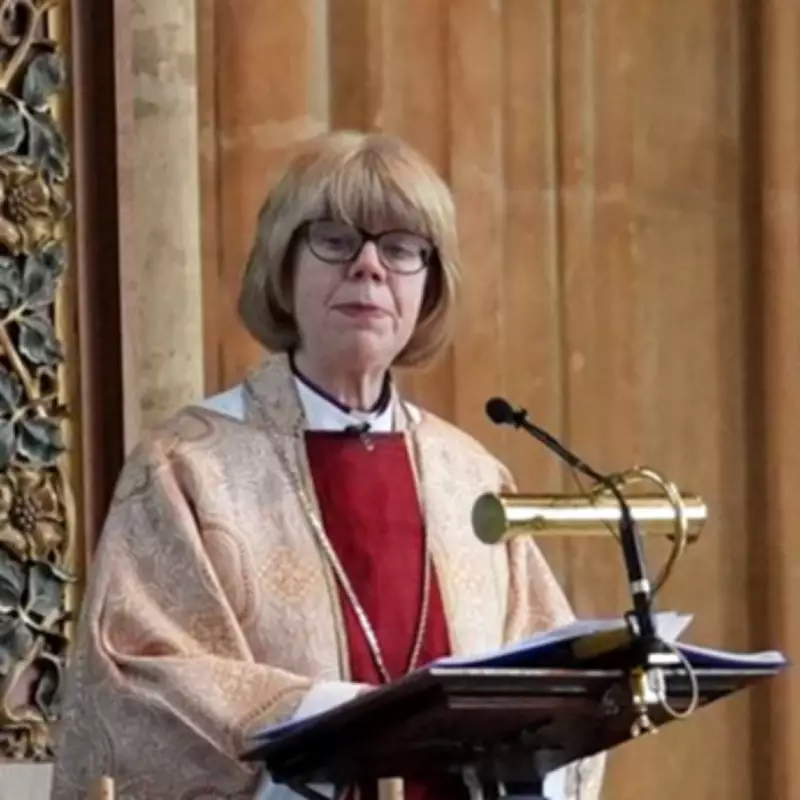
Speaking from Canterbury Cathedral to her congregation, Dame Sarah Mullally made an impassioned appeal for an immediate end to what she described as "violence and destruction" across the Middle East and Gulf regions. Her sermon marked just under two weeks since her historic installation as the first female Archbishop of Canterbury, bringing renewed focus to global conflicts during this sacred Christian observance.
The Archbishop declared with renewed urgency: "Today, as we shout with joy that Christ is risen, let us pray and call with renewed urgency for an end to the violence and destruction in the Middle East and the Gulf." She specifically referenced the ongoing US-Israel military campaign against Iran, now entering its sixth consecutive week of hostilities.

Drawing from St. John's Gospel and the resurrection narrative, Dame Sarah connected the Easter story to contemporary suffering, stating: "This week our gaze and our prayers have been turned towards the land where Jesus was crucified and raised from the dead." She extended her prayers beyond geopolitical conflicts to include individuals facing personal darkness through illness, bereavement, or other struggles, affirming that "God walks with you through that darkness."
Pope Leo XIV's Powerful Appeal for Dialogue Over Domination
Meanwhile in Vatican City, Pope Leo XIV addressed thousands gathered in St. Peter's Square with equally forceful language, calling directly on those with military power to "choose peace" through dialogue rather than force. In his first Easter Sunday message since ascending to leadership of the Catholic Church last year, the pontiff delivered what observers described as a remarkably direct political intervention.
The Pope proclaimed from the balcony of St. Peter's Basilica: "Let those who have weapons lay them down. Let those who have the power to unleash wars choose peace. Not a peace imposed by force, but through dialogue. Not with the desire to dominate others, but to encounter them."
Leo XIV echoed his predecessor Pope Francis' concerns about what he termed the "globalization of indifference," warning that societies risk becoming "accustomed to violence, resigning ourselves to it and becoming indifferent." He emphasized that the true power of Easter resurrection is "entirely nonviolent" in nature and purpose.
Concrete Actions and Historical Parallels
Both leaders backed their verbal appeals with concrete announcements. Archbishop Mullally, drawing on her background as England's former chief nursing officer, paid tribute to caregivers in hospitals and hospices, describing their work as a "vigil of care" that involves "remaining present in the quiet and the dark."
Pope Leo XIV went further by announcing a special prayer vigil for peace scheduled for Saturday, April 11 in St. Peter's Basilica. This initiative mirrors a similar 2013 vigil organized by Pope Francis for Syria, which attracted approximately 100,000 participants protesting military intervention in that nation's civil war.
The synchronized messages represent a significant development in interfaith diplomacy, with both Christian leaders using their most prominent annual platform to address the same international crisis. Their united front comes despite recent challenges both have faced: Dame Sarah was reportedly heckled during her confirmation ceremony, while Pope Leo has previously criticized former US President Trump's policies toward Iran as a "scandal to humanity."
As thousands gathered in both Canterbury and Rome to hear these historic Easter messages, the collective appeal from Christianity's two most prominent leaders creates unprecedented moral pressure for peaceful resolution to Middle Eastern conflicts during this season of resurrection and renewal.