Americans Withhold Federal Taxes in Defiance of Trump Administration Policies
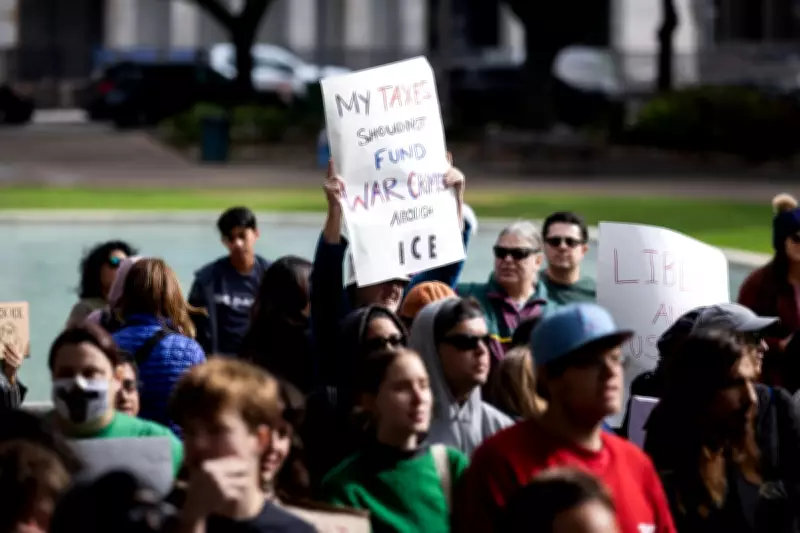
In a bold act of civil disobedience, a rising number of US taxpayers are refusing to pay their federal income taxes, driven by opposition to policies under President Donald Trump. This movement, gaining momentum in early 2026, targets government spending on military conflicts and immigration enforcement.
Legal Risks and Moral Stands in Tax Resistance
Rachel Cohen, a 31-year-old lawyer from Chicago, has publicly declared her intention to withhold $8,800 in federal taxes, placing the funds in a high-yield savings account instead. In an Instagram video that garnered over 140,000 likes, Cohen explained her refusal to support wars in Iran and Gaza or Immigration and Customs Enforcement (ICE) operations. "I'm not paying my federal income taxes this year," she stated, acknowledging the illegality but emphasizing her informed decision as a competent attorney.
Cohen is not alone. Lincoln Rice, leader of the National War Tax Resistance Coordinating Committee (NWTRCC), reports a surge in interest since Trump's second term. In January 2026, NWTRCC held its largest-ever training session, attracting nearly 500 attendees, a stark increase from a dozen a few years ago. Rice warns that tax resistance methods can carry penalties, including wage garnishment or property seizure, but for many, the moral imperative outweighs the risks.

Historical Roots and Modern Resurgence of Tax Protest
Tax resistance in America dates back to the 1773 Boston Tea Party and saw revival during the Vietnam War, when celebrities like Joan Baez withheld taxes to protest military spending. In the 1970s, hundreds of thousands refused to pay a telephone tax funding the war. Today, the movement has evolved, with younger, diverse participants emerging during Joe Biden's presidency over Gaza conflicts and intensifying under Trump.
Christina Thompson, a 34-year-old volunteer with National Tax Strike, highlights the shift in priorities. "We believe our taxes should be going towards the best use for people in this country," she said, criticizing funding for forever wars over domestic needs like healthcare and housing. With the IRS workforce reduced by 27%, enforcement may be weakened, though risks remain for long-term resisters.
Community and Consequences in the Fight for Change
For resisters like Chrissy Kirchhoefer from St. Louis, who has withheld taxes since 1998, this act fosters community and redirects funds to local projects. Cohen, despite fears of legal repercussions, views her stance as necessary against rising authoritarianism. As the debate over tax dollars' use intensifies, this protest underscores a deep-seated discontent with federal spending priorities in a turbulent political era.