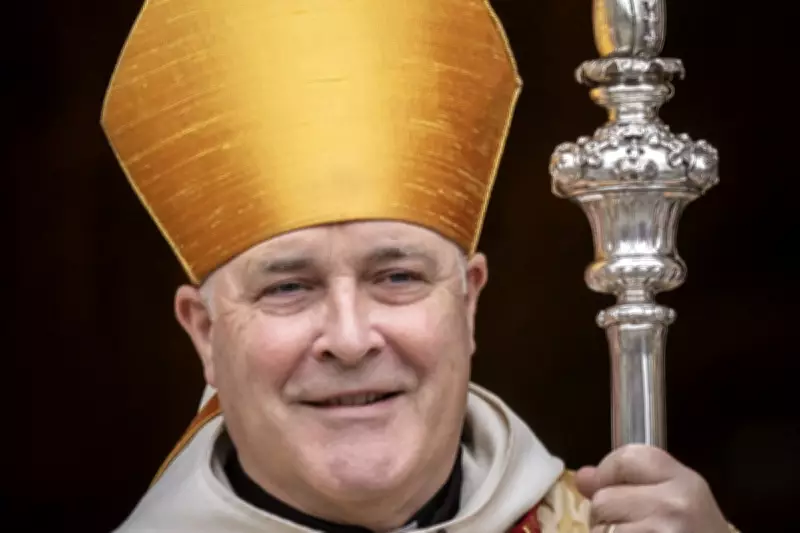
The Archbishop of York, Stephen Cottrell, will not face any disciplinary proceedings following a review into his handling of a priest who was later banned for life over serious sexual abuse allegations. The Church of England's second most senior cleric had been criticised for his actions while serving as Bishop of Chelmsford in relation to David Tudor.
Details of the Case and Criticism
Stephen Cottrell faced significant scrutiny for not acting more swiftly regarding David Tudor, a priest whom he permitted to remain in his post despite Tudor having been barred from being alone with children by the Church and having previously paid compensation to a sexual abuse victim. Tudor was ultimately banned from ministry for life in 2024 after admitting to what the Church described as serious sexual abuse involving two girls aged 15 and 16.
Historical Context of David Tudor's Ministry
David Tudor's troubled history within the Church dates back decades. He was initially suspended from ministry for five years in 1988 after admitting, according to tribunal documents, to having sex with a 16-year-old girl he met when she was a pupil at a school where he served as chaplain. Tudor returned to ministry in 1994 and continued until further abuse claims emerged against him in 2019.

During his tenure as Bishop of Chelmsford, Stephen Cottrell twice renewed Tudor's contract as area dean in Essex, despite having been "fully briefed" about the priest's problematic past. This decision formed a central part of the criticism levelled against the Archbishop.
Tribunal President's Findings
Sir Stephen Males, president of Church tribunals, concluded in findings published on Thursday that although "some mistakes were made in the handling of David Tudor's case", there was no grounds for Mr Cottrell to answer at a disciplinary tribunal. Sir Stephen acknowledged that the decisions to renew Tudor's appointments were "mistaken and regrettable" and should have considered the impact on victims, but determined they were made in good faith and did not constitute misconduct.
Regarding claims that Mr Cottrell should have suspended Tudor, Sir Stephen clarified that the Archbishop "had no power to remove or suspend David Tudor from ministry" at the time. He noted that the "appalling" decision to allow Tudor to return to ministry had occurred "long before" Mr Cottrell became Bishop of Chelmsford.
Response from Stephen Cottrell
In response to the findings, Archbishop Cottrell stated: "We all have much to learn from this case. There are some things I wish I had done differently." He expressed regret that the reappointment of Tudor as area dean "did not sufficiently consider the impact on those he had harmed" and acknowledged that with today's trauma-informed understanding, he would take a different approach.
Cottrell previously described inheriting a "horrible and intolerable" situation and insisted he "acted immediately" when fresh complaints emerged in 2019, adding that he had "no legal grounds" to suspend Tudor before that point.
Victim's Perspective and Broader Implications
One of Tudor's alleged victims told the BBC that the decision not to hold a disciplinary hearing "sends a deeply troubling message about accountability" at the highest levels of the Church. This sentiment highlights ongoing concerns about how religious institutions handle abuse cases and the perceived accountability of senior figures.
The case underscores the complex challenges faced by church leaders when dealing with historical abuse allegations and the limitations of their authority in certain disciplinary matters. While Stephen Cottrell has been cleared of misconduct, the episode has prompted reflection on institutional processes and the importance of prioritising victim perspectives in such sensitive matters.