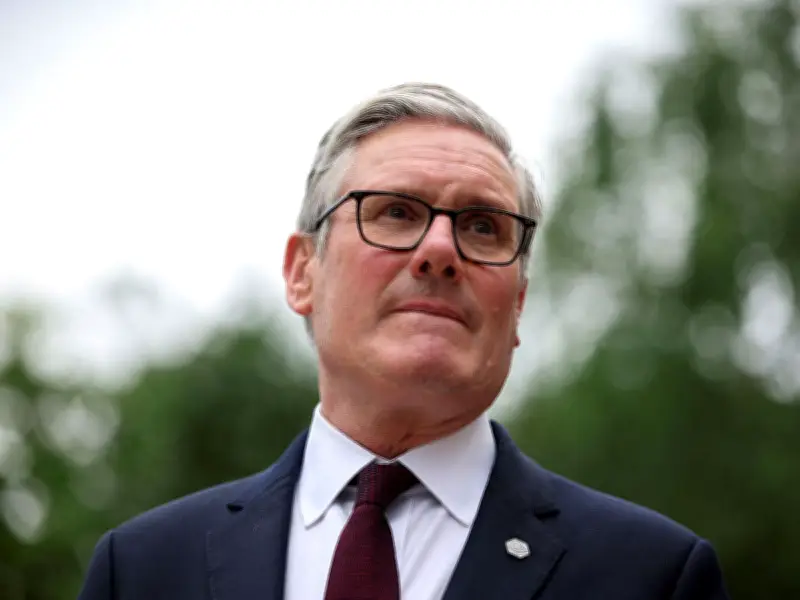
Keir Starmer has resigned as Prime Minister after less than two years in office, marking one of the shortest premierships in modern British history. The Labour leader, who swept to power in July 2024 with a historic General Election victory ending 14 years of Conservative rule, announced his departure on 22 June 2026, citing an inability to deliver the change he promised.
The Southport Attack and Early Missteps
Just weeks into his tenure, Starmer faced the horrific Southport attack, where three young girls were murdered. His response—showing moral leadership and ordering strong punishments for racist rioting that followed—was widely praised. However, on the same day as the attack, Labour announced a disastrous policy: cutting the Winter Fuel Allowance for millions of pensioners.
This decision proved catastrophic. One voter told political editor Liam Thorp, "I said I would never vote for them again after the winter fuel stuff and I won't." The government later U-turned under backbench pressure, restoring payments to around nine million pensioners, but the reputational damage was done. The policy yielded no savings and cost the government moral authority.

Policy U-Turns and Eroded Authority
The Winter Fuel U-turn was not the last. In June 2025, Starmer was forced into a painful climbdown on flagship benefit reforms, cutting Personal Independence Payments. A vociferous reaction from Labour MPs led to major concessions, further undermining the Prime Minister's authority.
Even a progressive policy—ending the two-child benefit cap and lifting hundreds of thousands of children out of poverty—came too late to salvage his reputation. The long-promised Hillsborough Law, included in Labour's manifesto, also failed to materialize, drawing criticism from campaigners.
Successes Amid the Failures
Despite the failures, Starmer's government achieved notable successes. The Employment Rights Bill strengthened workers' rights on sick pay and parental leave, the most significant such reform in a generation. The scrapping of the two-child benefit cap, though late, will reduce child poverty. On the world stage, Starmer kept the UK out of America's Iran conflict, a key achievement under difficult circumstances.
The Final Reckoning
Thorp concludes that Starmer started badly and never recovered. "The sad reality is he started badly and never recovered," he writes, offering food for thought for the next Labour leader.