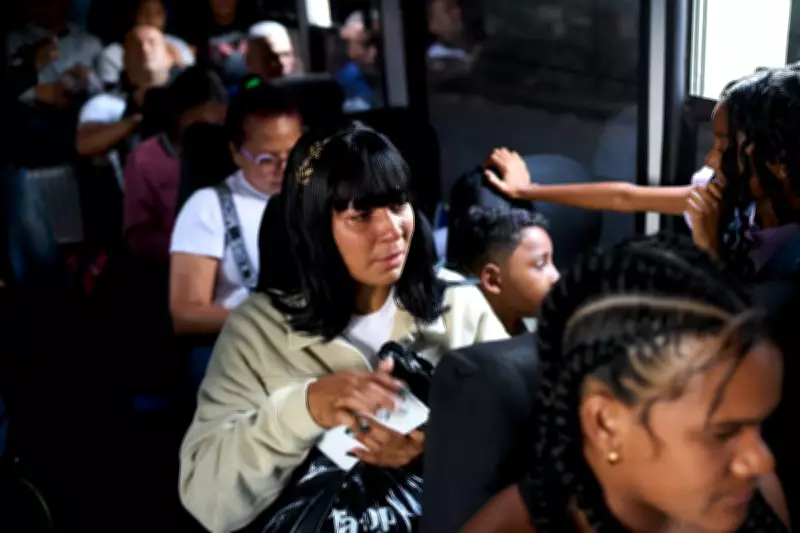
Two Venezuelan women, Mileidy Mendoza and Sandra Rosales, risked everything to protest the detention of their husbands after a US military raid captured President Nicolás Maduro in January 2026. They were part of a movement demanding the release of hundreds of political prisoners.
Valentine's Day Releases Bring Bittersweet Relief
On Valentine's Day, 17 alleged political prisoners were freed from a Caracas detention center, thanks to the efforts of Mendoza, Rosales, and dozens of other women who had camped outside for 37 days. However, their own husbands were not among the released, leaving them feeling defeated yet determined.
The women had chained themselves together, chanted slogans, and posted pleas on social media, hoping to be heard by those inside. The release was a testament to their courage, but the fight was far from over.

Origins of the Protest
Mendoza, a stay-at-home mother, and Rosales, a teacher, had no political experience before their husbands were arrested in November 2025. Both were accused of involvement in a bomb plot allegedly promoted by the US and opposition factions. The government refused to acknowledge their detentions initially.
After the US raid on January 3, the Venezuelan government announced it would free political prisoners under pressure from Washington. The women set up a tent city outside the police station on Calle Mara, transforming a dead-end street into a symbol of resistance.
Life in the Tent City
The protest grew to 30 women, who endured harsh conditions with support from local businesses. They formed a sisterhood, sharing stories and strengthening their resolve. A hunger strike by ten women, including Mendoza and Rosales, tested their limits, but they persisted despite health issues.
After 64 days, the camp disbanded when the men were transferred to a harsher prison. The women continued their fight through legal channels and visits, including one on Easter Sunday where they brought their children.
Ongoing Struggle
As of late April 2026, over 400 political prisoners remain in detention. The government has been selective in releases, and human rights groups criticize the lack of transparency. Mendoza and Rosales vow to continue their struggle until all prisoners are freed.
Their story highlights the resilience of Venezuelan women challenging authoritarian rule, even as their personal sacrifices mount.