Trump's Pardon Wave: 1,600 Clemencies and a 'Crisis' for Democracy
Trump's historic pardon streak 'normalising corruption'

Donald Trump is using the sweeping powers of his office to issue a historic number of pardons, a move legal experts warn is dangerously 'normalising corruption' and redefining acceptable criminal behaviour in the United States.

A Historic Streak of Executive Clemency

Since returning to the White House for his second term in January, President Trump has issued more than 1,600 acts of clemency. This follows the 237 pardons and commutations he granted during his first term. The recent wave has overwhelmingly benefited wealthy executives, convicted fraudsters, and political allies accused of serious crimes including bribery, money laundering, and conspiracy.

This flurry of activity starkly contradicts his campaign rhetoric about ending the 'politicisation' of the Justice Department. In more than a dozen instances, Trump has even pardoned individuals who were prosecuted or convicted during his own administration, effectively unravelling those cases entirely.

Pardons for Powerful Allies and 'Egregious' Cases

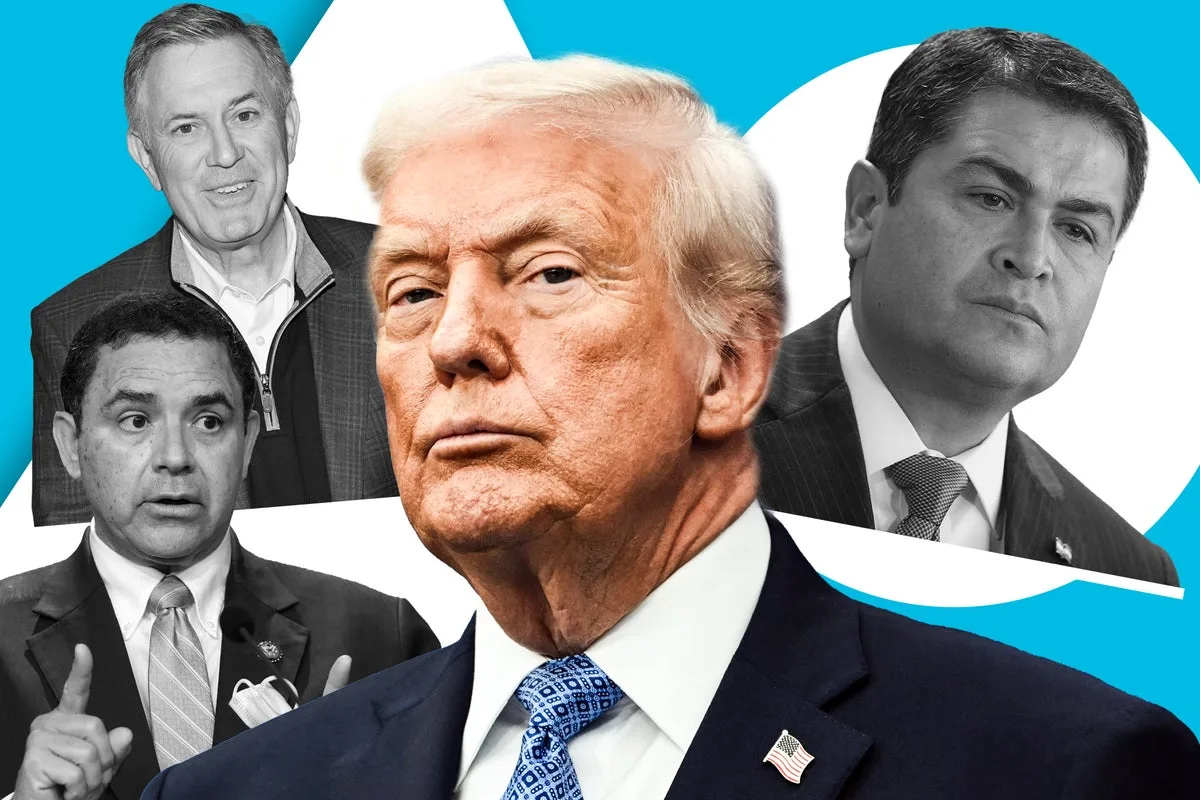
The pardons have ignited fierce criticism for appearing to protect those connected to Trump's agenda. This week, he pardoned Democratic Representative Henry Cuellar of Texas, who was federally charged last year with bribery, money laundering, and conspiracy. Crimes involving public corruption by elected officials are rarely considered for clemency.

Perhaps the most controversial pardon is that of Juan Orlando Hernández, the former president of Honduras. Last year, Hernández was sentenced to 45 years in prison for accepting millions in bribes and conspiring to import 500 tons of cocaine into the US. The Justice Department had once described him as central to one of the world's 'largest and most violent drug-trafficking conspiracies'.

Senate Minority Leader Chuck Schumer called the move 'egregious, shameful and dangerous', stating, 'You can’t talk a big game about hunting down drug traffickers... and then turn around and free a dangerous, convicted drug lord.'

Rewriting Justice and Leaving Victims Behind

Former Pardon Attorney Liz Oyer, who was fired by the Trump administration in March, has labelled the president's actions a 'crisis' that imperils democracy. She argues Trump is 'liberally pardoning corrupt public officials who are charged with offenses that involve abusing their political offices to enrich themselves.'

The pardons have also let convicted fraudsters off the hook for restitution owed to their victims. Just before Thanksgiving, Trump commuted the sentence of David Gentile, a private equity executive who was 12 days into a seven-year sentence for defrauding investors of more than $1.6 billion in a Ponzi scheme. Gentile no longer has to pay $15.5 million in restitution, despite over 1,000 victim impact statements describing devastating losses.

White House press secretary Karoline Leavitt defended the Gentile commutation as an example of 'the weaponization of justice from the previous administration.' However, Trump has also suggested he is not closely involved in the process, claiming he didn't know who billionaire Changpeng Zhao was when he pardoned him for wilful anti-money laundering violations.

Critics, including the coalition Not Above The Law, warn that Trump has 'declared open season for corrupt politicians to use their offices for personal gain.' They accuse him of viewing the justice system as a 'spoils system,' encouraging prosecution of his enemies while granting special treatment to his friends, and in doing so, rewriting the very rules of American justice.