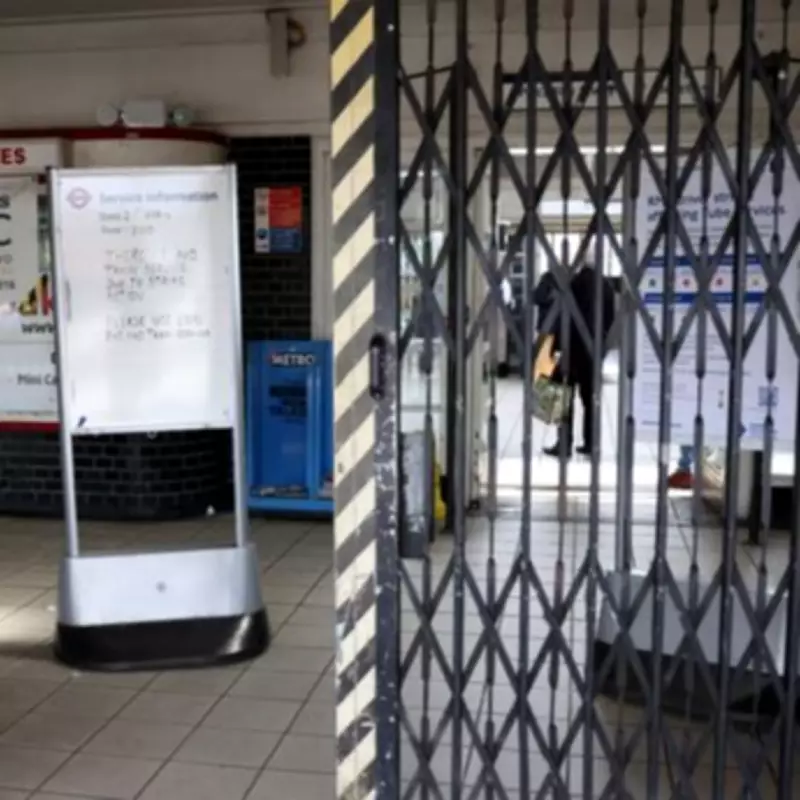
Commuters in London are enduring severe disruption this week due to two 24-hour Tube strikes over changes to drivers' working conditions, despite Transport for London (TfL) insisting the changes are voluntary and minimal.
Strike Details and Impact
Members of the Rail, Maritime and Transport union (RMT) walked out for 24 hours until midday on Wednesday and will strike again from the same time on Thursday, affecting services for the rest of the week. TfL urged passengers to check before they travel, as the industrial action led to widespread delays. Services on some Tube lines, including the Circle, Central and Piccadilly, were suspended or part suspended, while there were severe delays on other parts of the network.
No service is expected on the Piccadilly and Circle lines, while the Metropolitan line will not be operating between Baker Street and Aldgate. The Central line is also suspended between White City and Liverpool Street.

Union and TfL Positions
The union, which is in dispute over changes to a four-day working week, is planning four more 24-hour strikes in May and June unless the row is resolved. However, TfL's Director of Customer Operations Nick Dent claims the planned changes for train drivers are voluntary and says there was no need for the strike action, which is frustrating for travellers around London. He told LBC he was baffled by the walkout.
"We appreciate that it's frustrating. We have done everything possible to try and avoid the action," he said. "What we've said to the RMT is rather than disrupt London with industrial action, work with us and the other trade unions involved to work through the details because we think the impact on train operators will be minimal."
Mr Dent continued: "The changes that we are proposing are voluntary. So no driver will need to change their working patterns from a five day week to a four day week unless they wish to do so. The reason that we have made this offer in proposing these changes is to respond to questions about work life balance for train operators and the preference from trade unions to have a four day week pattern. That's something that the RMT have certainly requested in the past."
However, RMT official Jared Wood said union members felt strongly about the issues at the heart of the dispute and that the row was not just about a four-day week, pointing to other issues such as the length of shifts and changes to annual leave. He said: "TfL need to come forward with changes to their proposals for this dispute to be resolved. There is absolute unanimity among our members that we have to fight these proposals."
RMT general secretary Eddie Dempsey also said ahead of the strike: "We have approached negotiations with TfL in good faith throughout this entire process, but despite our best efforts, TfL seem unwilling to make any concessions in a bid to avert strike action. This is extremely disappointing and has baffled our negotiators. The approach of TfL is not one which leads to industrial peace and will infuriate our members who want to see a negotiated settlement to this avoidable dispute."