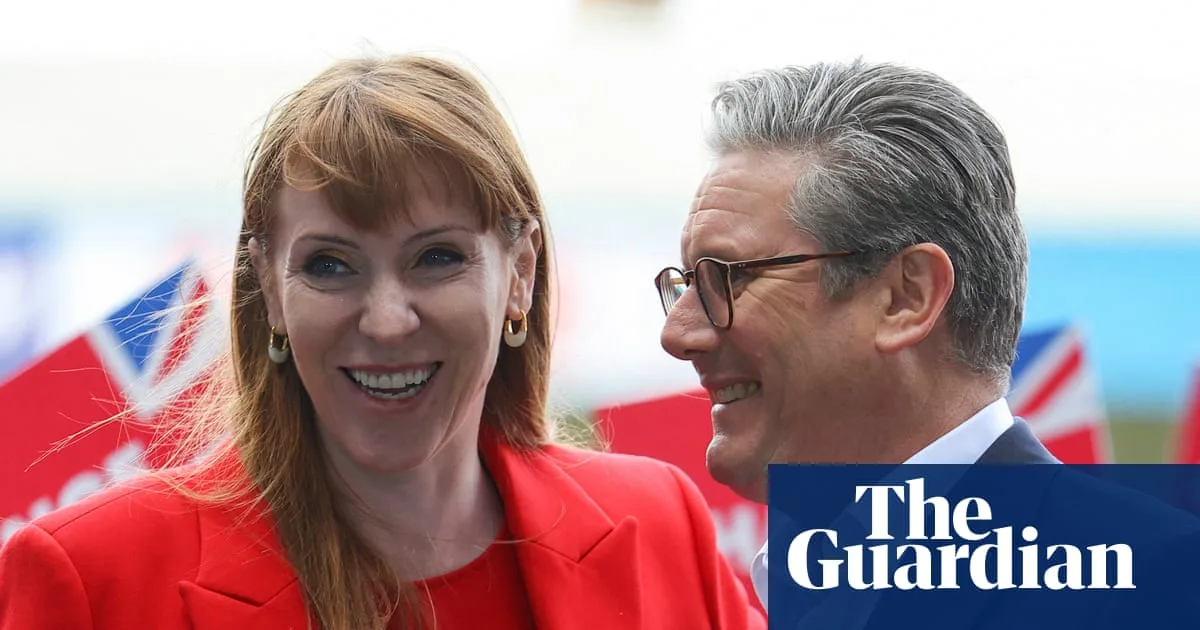
Speculation is growing that Keir Starmer could bring Angela Rayner back into the cabinet in a small-scale reshuffle, nearly eight months after she resigned over her tax arrangements. The prime minister is said to have not yet made up his mind, with the timing depending in part on the scale of Labour's expected losses in next week's elections to the Scottish and Welsh parliaments and to councils across England.
The elections analyst Robert Hayward has predicted Labour will lose 1,850 council seats on 7 May, above the 1,500 figure cited in one report as a possible trigger for a cabinet revolt. He also forecasts that Reform UK will gain about 1,550 councillors and the Greens 500, adding to the sense of dread within the party. If Starmer were to limp on after such losses, the temptation would be strong to secure Rayner's support as part of a government reset.
Since her resignation last September over the underpayment of stamp duty on a flat, Rayner has walked a line between loyalty and interventionism. Some of her interventions have been seen as helpful, such as her compromise on the workers' rights bill, while others have been less favourably received, including her recent description of proposed changes to immigration rules as 'un-British'. She also said Starmer could not 'go through the motions' in the face of ebbing support.
An ongoing HMRC investigation into the stamp duty underpayment has obstructed a return, though allies of Rayner had been confident the matter would be resolved before the elections. It is understood she would listen seriously to any offer and would not demand to be made deputy prime minister again – a role now held by David Lammy – but would most likely refuse a 'non-job'. One minister said: 'She is not trying to be hostile. There are people who weaponise her for their own purposes, but she wants to play a role again in frontbench politics.'
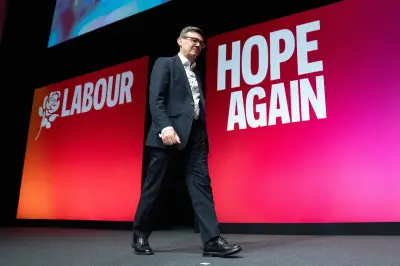
The calculations are filtered through the possibility of a future leadership challenge, with Rayner routinely cited as a possible challenger. Another potential contender, Andy Burnham, the Greater Manchester mayor, told Bloomberg that the aftermath of the elections would have to be 'a moment of reflection' for Labour, involving 'starting to now pull through on a different course'. Burnham was blocked from standing in the Gorton and Denton byelection in January, which Labour lost to the Greens.