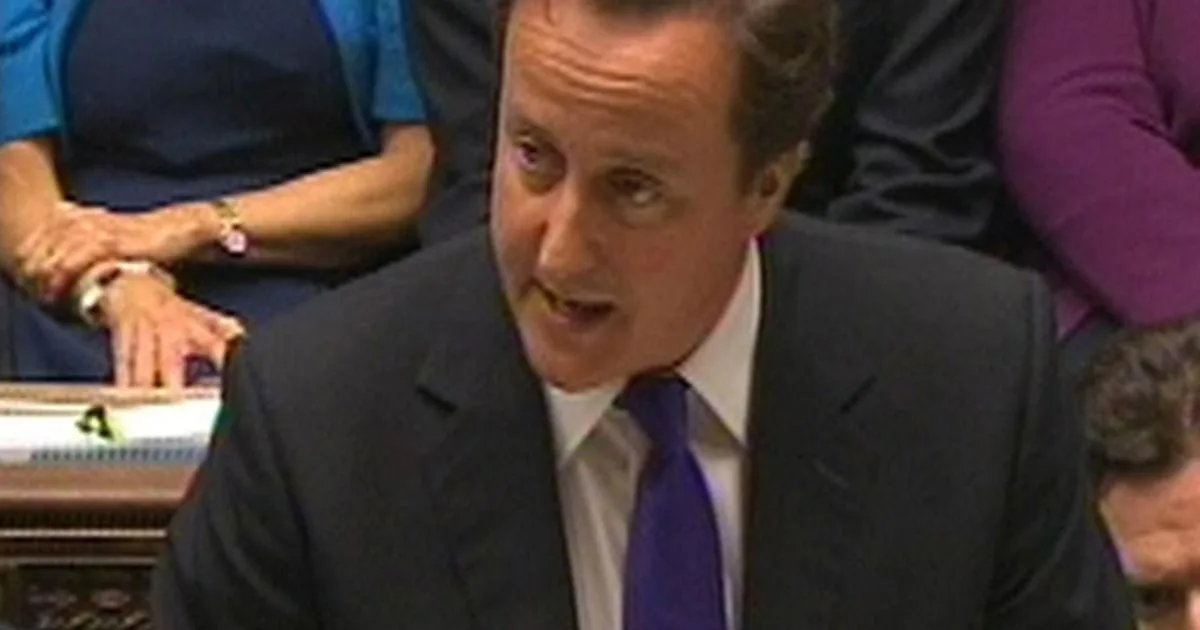
Sir Keir Starmer has announced his resignation as leader of the Labour Party and prime minister, paving the way for a new leader to take over before Parliament resumes in September. Standing outside Number 10 Downing Street alongside his wife Victoria, Starmer said he accepted "with good grace" that his party no longer believed he was the right person to lead them into the next general election.
Starmer Defends Record in Emotional Farewell
In an emotional speech, Starmer defended his record and pledged to give his successor his "full and unequivocal support, knowing that they will inherit a Britain that is far stronger and fairer than the one I inherited two years ago." His resignation follows a loss of confidence within the Labour Party, though he led the party to a landslide victory in the 2024 general election, securing 412 seats in Parliament.
Leadership Contest Timeline
The Labour Party will now hold a leadership contest to choose a new party leader, who will also become prime minister. Starmer has requested that nominations open on July 9 and close at the start of the summer recess on July 16, with a new leader expected to be in place before Parliament resumes in September. The Labour Party NEC will set out an official timetable for the election.

Andy Burnham Emerges as Frontrunner
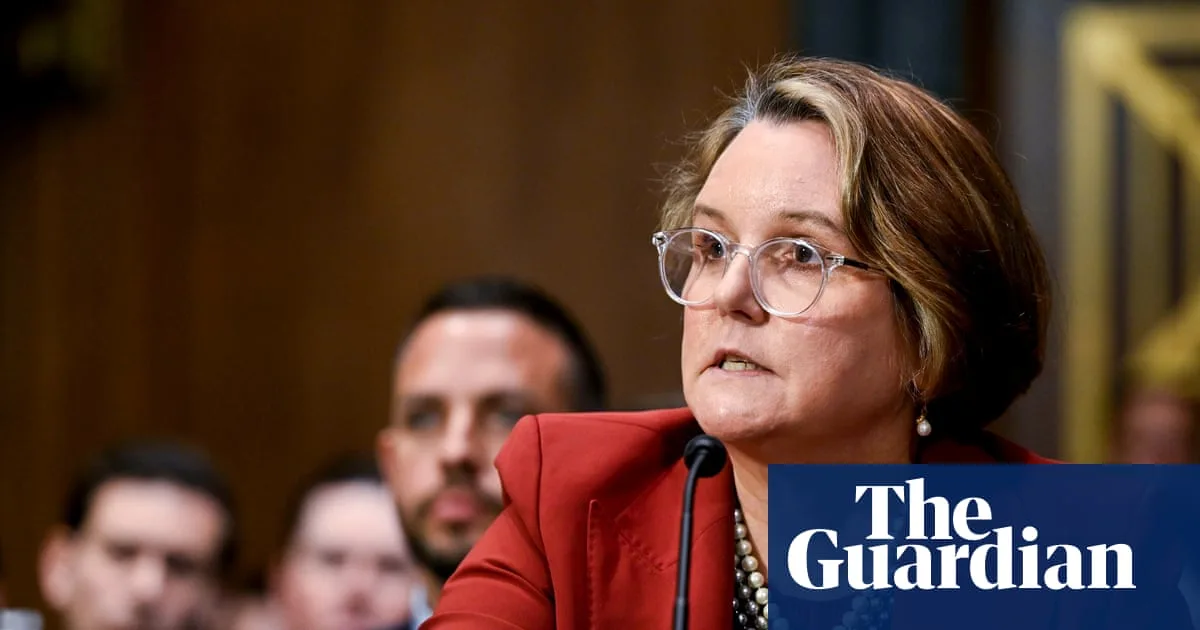
Andy Burnham, the newly elected MP for Makerfield and former mayor of Greater Manchester, is seen as the frontrunner. He has previously confirmed his intention to stand in a leadership contest and is believed to have the 81 nominations from other Labour MPs required to enter the race. Burnham won the Makerfield by-election last week, bolstering his candidacy.
No Immediate General Election Required
A new prime minister is not required to call a general election immediately. General elections must be held every five years, so the next election must be called by August 2029. However, a prime minister can choose to hold a snap election at any time. If no election is called within five years, Parliament is automatically dissolved on the fifth anniversary of its first sitting, with an election 25 days later. The latest possible date for the next general election is August 15, 2029.
Burnham Rules Out Early Election
Burnham has reportedly ruled out calling an early general election if he becomes prime minister. During his election campaign, a spokesperson stated he would not call an early election, responding to speculation that he might seek a stronger mandate. Snap elections have been held twice in the last decade: in 2017, Theresa May called one two years after the previous election but lost her majority; in 2019, Boris Johnson called one and won a sweeping victory, gaining 48 seats.