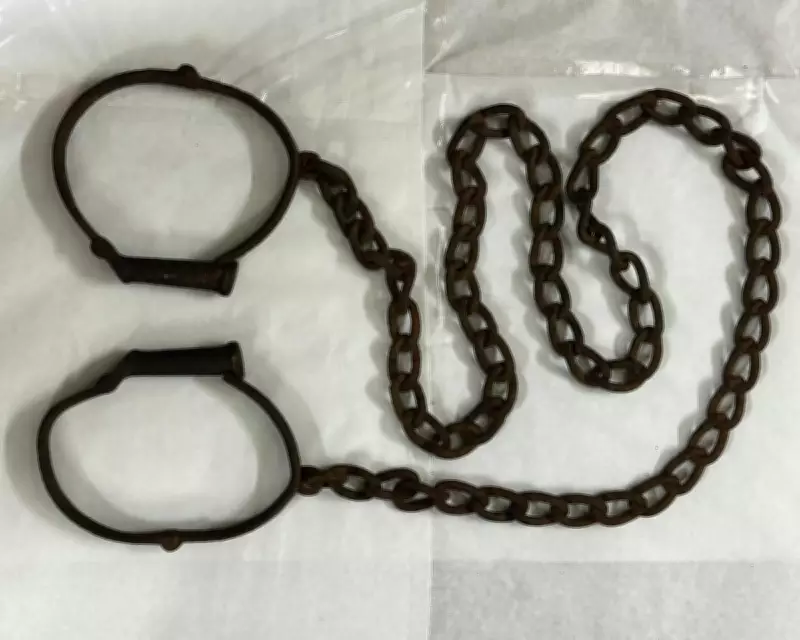
Auction of Slave Shackles Sparks Outrage Over Profiting from Historical Trauma
An antiques auction in Scotland has ignited fierce debate after listing neck shackles connected to the enslavement of African people in Zanzibar, with critics accusing it of profiting from slavery. The chains, dated to 1780 and valued at approximately £1,000, are part of a sale titled "Challenging History" by Cheeky Auctions in Tain, Ross-shire.
Controversial Sale Draws Political and Public Condemnation
Labour MP Bell Ribeiro-Addy, who chairs the all-party parliamentary group for Afrikan reparations, condemned the auction, stating that trading such items perpetuates profiteering from the slave trade. She argued that while museums might appropriately display these artefacts, selling them as collectors' items fetishises human suffering. "Treating them as collector’s items, something to be fetishised rather than items that should be looked at in horror," Ribeiro-Addy emphasised, questioning the motives behind the profit-driven sale.
Retired lawyer Nigel Murray from the Scottish Highlands expressed his disgust, calling the auction "vile" and highlighting the irony of using an auction format reminiscent of how enslaved people were historically sold. He vowed to boycott Cheeky Auctions, reflecting broader public anger over commodifying traumatic history.

Auctioneer Defends Sale as Educational Tool
Auctioneer Marcus Salter defended the sale, asserting his intention to confront history rather than offend. He explained that the chains, owned by a dealer for 50 years, were vetted by the selling platform as historical artefacts. Salter claimed that donating them to a museum risked them being hidden in storage, whereas the auction could spark public dialogue. "I think it’s important not to upset and offend, but shock people into learning the whole truth," he said, noting mixed reactions from the public, including boycotts and educational exchanges.
Salter also pointed out perceived inconsistencies, such as the uncontroversial sale of slavery-linked mahogany, arguing that the chains serve a similar historical purpose. However, this stance has not quelled criticism, with comparisons drawn to the art world's ethical shifts.
Legal and Ethical Perspectives on Trading Sensitive Artefacts
Caecilia Dance, an associate at London law firm Wedlake Bell with expertise in Nazi-looted art restitution, noted that no specific laws prohibit trading slavery-linked objects. However, she highlighted a growing ethical framework favouring "public interest stewardship," such as donations or loans to museums with community ties. Dance predicted that public opinion is turning against commodifying trauma, similar to trends with Nazi-era artefacts, where ethical concerns now deter sales.
This incident echoes past controversies, like when Antiques Roadshow expert Ronnie Archer-Morgan refused to value an ivory bangle linked to enslavement in 2024, underscoring ongoing debates over how societies handle painful historical legacies.
The auction underscores broader questions about memory, profit, and restitution in dealing with artefacts from oppressive histories, as calls grow for more sensitive approaches to preserving and contextualising such items without commercial exploitation.