Freshly disclosed correspondence has unveiled that Prince Andrew reportedly contemplated stepping down from royal duties following the publication of a photograph showing him with the convicted sex offender Jeffrey Epstein. The revelation comes from a trove of documents released by the United States Department of Justice, shedding new light on the Duke of York's state of mind during the scandal.
Emotional Turmoil and Royal Pressure
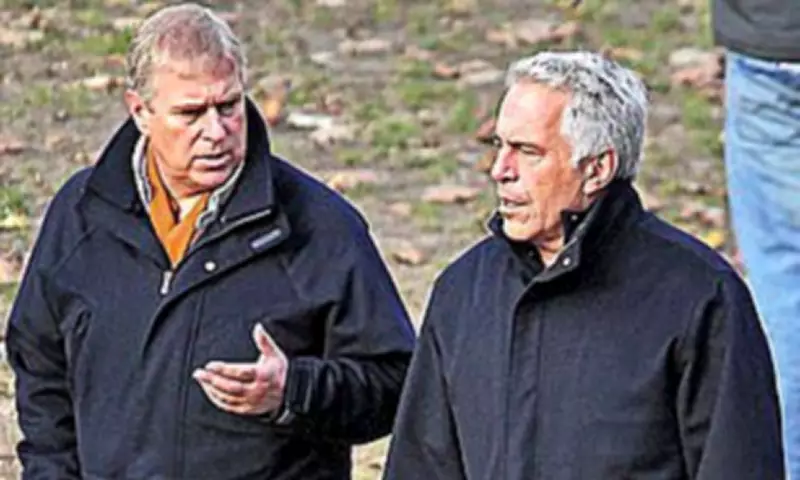
According to an email dated May 2011, a mutual friend informed Epstein that Prince Andrew was experiencing profound distress after a picture of the pair strolling in New York's Central Park became public in February of that year. The friend described the then-duke as "sad and frustrated," adding that he was "considering abdication" but felt trapped "like a zoo animal" with "no way now for him to thrive."
The correspondence further disclosed that Queen Elizabeth II had intervened, instructing her son to "get a job" and indicating he would not be included on the royal list for financial support. This direct royal command underscores the mounting pressures within the monarchy as the controversy unfolded.

Sarah Ferguson's Involvement and Concerns
The email also referenced a visit by the friend to Prince Andrew and "S," widely believed to be his ex-wife Sarah, Duchess of York. In a somewhat awkward detail, the friend mentioned taking her "dirty washing" to their home for laundering, noting that while Andrew agreed, Sarah "wasn't amused." Epstein responded with a warning about a "Daily Mail rat" close to Andrew, speculating it might be a young valet who felt the prince was "abusing" his privilege.
Ferguson's Fears and Financial Ties
Separate emails from July 2010 reveal Sarah Ferguson's own anxieties, written after the News of the World exposed her attempt to sell access to Prince Andrew for £500,000. She told Epstein, "No woman has ever left the Royal Family with her head - and they cannot behead me, therefore they will discredit me." Ferguson expressed feeling "on her own" and claimed the palace was "not equipped" to assist her.
These documents confirm previous reports that Ferguson accepted money from Epstein to settle debts and maintained regular communication with him, including a notable plea where she asked the financier to "marry me." This highlights the complex web of relationships surrounding the disgraced billionaire.
Royal Family's Public Response
As the latest batch of Epstein files sparked renewed public interest, Prince Edward became the first senior royal to address the matter directly. Speaking at the World Governments Summit in Dubai, the Duke of Edinburgh emphasised the importance of remembering the victims, stating, "I think it's all really important always to remember the victims and who are the victims in all of this."
This follows King Charles and Queen Camilla's October statement expressing their "utmost sympathies" for the victims of abuse, a sentiment Prince Andrew has notably never echoed. Reports suggest he has even declined to approve press releases offering broad support to survivors, further distancing himself from the issue.
Ongoing Implications and Palace Silence
The release of these emails, part of three million pages of documents, continues to cast a shadow over the Royal Family. Royal sources indicate that providing testimony to the ongoing U.S. Congressional inquiry is now "a matter for Andrew Mountbatten-Windsor and his conscience." Buckingham Palace has maintained its stance, declining to comment further on the developments.
Prince Edward acknowledged the personal difficulty of the situation, describing it as "close to home" for the royals. His remarks, though brief, mark a rare public acknowledgment of the scandal's impact within the institution, as it navigates the fallout from Andrew's association with Epstein.