The Double Life of Christine Green
For years, she was known simply as Christine - the ever-reliable, cheerful activist who never missed a meeting or turned down a request for help. Described by fellow animal rights campaigners as 'smiley' and 'chatty', she threw herself into everything from confronting fox hunters to liberating animals with what appeared to be genuine dedication.
But Christine Green was living a double life. The woman who had earned the trust of Britain's most committed animal rights activists was actually an undercover officer with the Metropolitan Police's Special Demonstration Squad (SDS), secretly reporting on their activities to her Scotland Yard superiors.
The Unlikely Love Story
What makes Christine's story particularly remarkable is how it differs from the now-familiar narratives of male undercover officers. While her colleagues became notorious for deceiving women into relationships - with officer Mark Kennedy found to have 'grossly debased, degraded and humiliated' one victim - Christine's story took a different turn.
She became intimately involved with the leader of a London-based Animal Liberation Front cell, a man once jailed for headbutting a fox hunter and breaking his nose. Unlike the bitter endings that characterised her male colleagues' relationships, this connection proved enduring.
A friend describes their relationship as being built on 'genuine love', and The Mail on Sunday can reveal that both now 64, the former police spy and animal rights activist quietly left the UK, married in Sweden, and now live a peaceful life on a remote island.
'It is the perfect place from which to disappear from the world,' a neighbour commented. 'People here tend not to socialise or ask too many questions.'
Five Years Undercover
Christine's undercover deployment began in November 1994 during a period of intense activity by animal rights groups across Britain. That same year, extremist Barry Horne had carried out several firebomb attacks on the Isle of Wight, including one that destroyed a Boots branch at a cost of £2.8 million.
Posing as a courier, Christine used her van to drive campaigners to meetings and demonstrations. She initially joined anti-fur protests in London, gradually working her way into activists' confidence.
Paul Gravett, leader of London Animal Action, recalls meeting her in a vegetarian restaurant. 'I suppose it was in role for her to want to get to know me, to give her more credibility,' he reflected.
Later, she became involved with hunt saboteur groups across South-East England, where violent clashes between hunters and 'sabs' were common. Fellow saboteurs remember her as 'always quite inquisitive' and 'definitely considered one of us'.
The Mink Farm Controversy
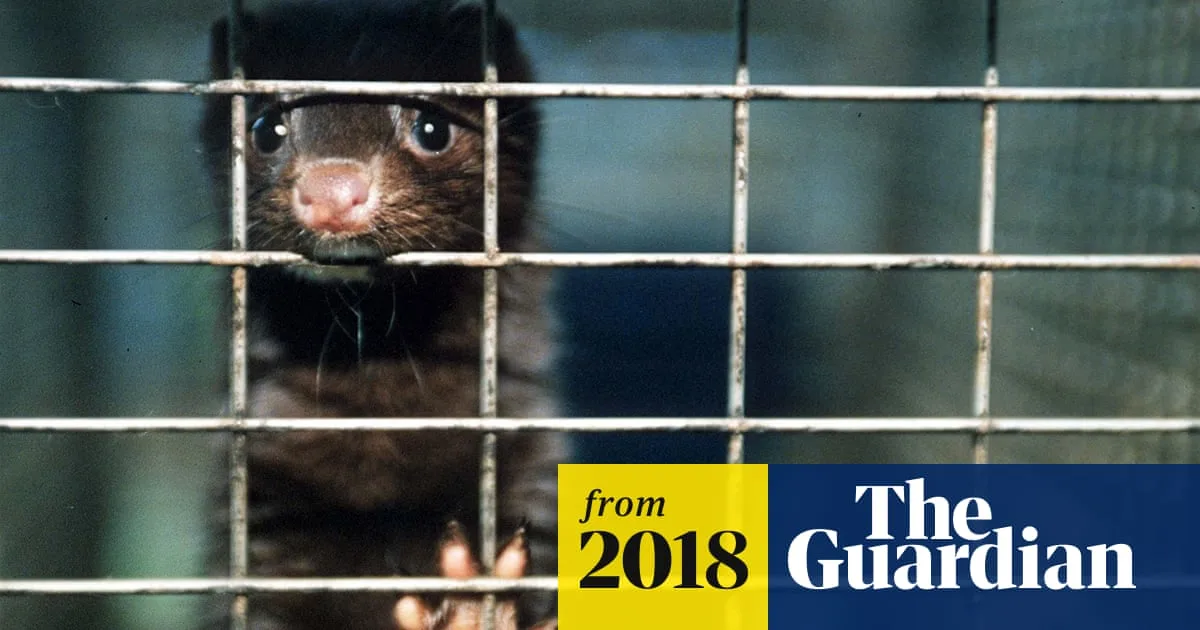
One of the most significant events during Christine's deployment was the August 1998 release of thousands of mink from Crow Hill Farm in Ringwood, Hampshire. The ALF claimed responsibility for the raid, which had devastating consequences.
Over several weeks, the escaped mink spread across a 40-mile radius, killing pets, livestock and birds of prey while threatening the New Forest ecosystem. Campers received warnings about the danger, and a shop was evacuated when a mink darted inside. Hundreds were shot or died on roads.
The Undercover Policing Inquiry has confirmed that Christine participated in this operation with authorisation from her SDS managers. Crucially, local police were not informed that a Metropolitan Police officer had been involved, even when investigating the crime.
In 2018, when the Met revealed Christine's involvement in the mink raid - unmasking her to the animal rights world - she criticised the force's 'double standards' for exposing her while protecting senior officers who authorised her participation.
Enduring Questions and Ongoing Inquiry
The long-running Undercover Policing Inquiry, which began in 2014, continues to examine Christine's activities. Lead lawyer David Barr KC emphasised the importance of her case, noting that while fewer women served as undercover officers, 'the risk of becoming involved in sexual relationships with those they mixed with undercover is not confined to men'.
Key questions remain unanswered, particularly concerning when Christine's relationship with the activist began and when she revealed her true identity to him. Her ex-husband claims she confessed to the relationship around April or May 1999, saying the activist knew she was an undercover officer.
Witnesses including Paul Gravett are convinced the relationship began during her deployment, with Gravett recalling: 'I've also got a memory of him... saying to me he was madly in love with her.'
Christine disappeared from the animal rights movement around 2000, telling activists she was travelling to Australia for a friend's funeral. In reality, her five-year deployment was ending, and she soon left the police to live with her activist partner in Cornwall.
Despite attempts to maintain privacy, Christine finds her story under scrutiny once more. She has refused to provide a witness statement to the current phase of the inquiry or attend in person, though her legal representative will do so on her behalf.
In a 2018 statement, she apologised to 'those activists who I was closest to and who befriended me, opening their lives and homes to me', acknowledging she had 'made some of the best friends anyone could ever want, people who without hesitation put their liberty and sometimes their life on the line for me'.
The couple now live quietly in Sweden with their three dogs, their remarkable story serving as one of the most unusual chapters in Britain's ongoing examination of undercover policing practices.