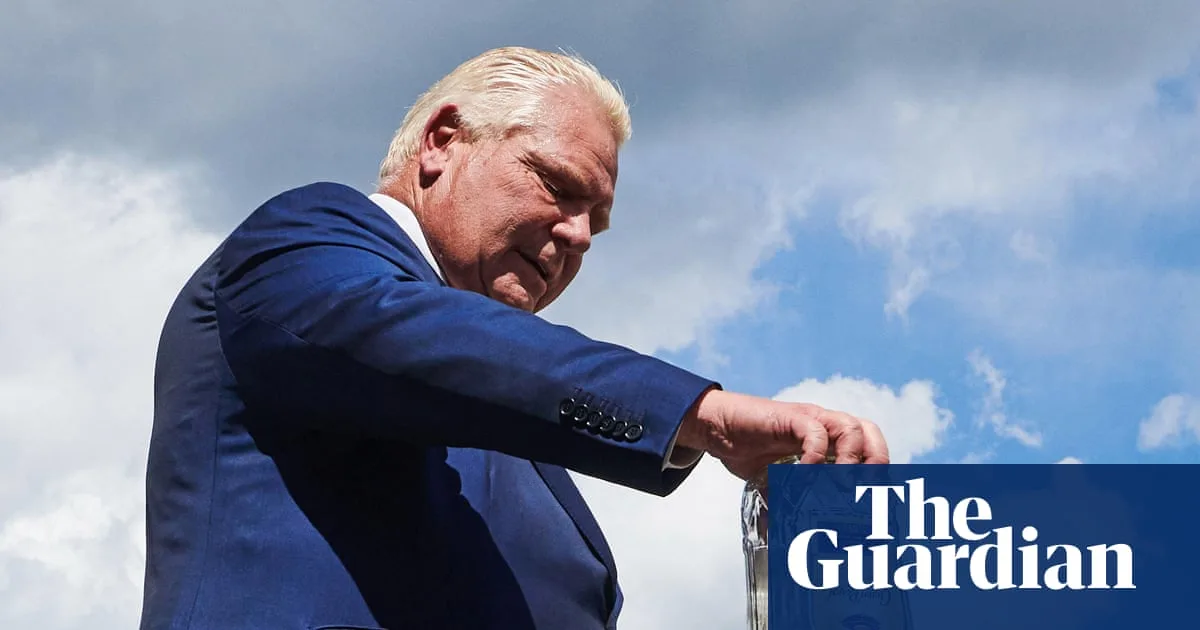
The government of Ontario, Canada, has sparked significant controversy with a plan to sell a large parcel of public land to a multinational drinks corporation at a fraction of its potential value. The deal, championed by Premier Doug Ford, involves 43 acres of provincially owned land earmarked for the expansion of the famous Crown Royal whisky brand.
The Land Deal and Its Questionable Value
At the heart of the dispute is a plot of land in the town of Gimli, Manitoba. The Ontario government, which owns the land due to a historical legacy, intends to sell it to Diageo, the British-based global spirits company that produces Crown Royal. The proposed sale price is a mere C$943,000 (approximately £550,000).
However, internal valuations and expert assessments suggest the land is worth considerably more. One provincial appraisal estimated its value at over C$3.5 million, while local commercial real estate experts believe it could fetch between C$2 million and C$4 million on the open market. The deal has been labelled a "sweetheart deal" for a powerful corporation by opposition politicians and transparency advocates.
Political Connections and the 'Premier's Whisky'
Further fuelling the controversy are the close ties between Premier Doug Ford's government and Diageo. The company has been a notable presence at Ford's annual gatherings and has hired lobbyists with direct connections to the Premier's office. Critics argue this relationship has facilitated an agreement that benefits the private sector at the expense of the public purse.
The situation is compounded by Ford's well-known personal affinity for Crown Royal whisky, which he has frequently mentioned and even publicly gifted. This has led to accusations that the deal is influenced by personal favouritism rather than sound fiscal policy for the people of Ontario.
Broader Implications and Mounting Criticism
The proposed land sale is not happening in isolation. It coincides with the Ford government's broader policy shifts regarding public assets, including moves to open protected Greenbelt land for housing development—a decision now reversed amid scandals and investigations. This pattern has raised serious questions about the administration's approach to managing public resources.
Transparency organisations and political opponents are demanding full disclosure of all communications and documents related to the Gimli land negotiation. They argue that selling valuable Crown land for less than its market value to a wealthy multinational sets a dangerous precedent and represents a failure of the government's fiduciary duty to its citizens.
The deal, as it stands, awaits finalisation. Whether it proceeds under the current terms or faces greater scrutiny and revision will be a significant test of accountability for Premier Ford's government. The controversy underscores the ongoing tension between private corporate interests and the responsible stewardship of public assets.