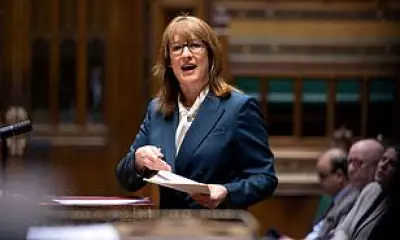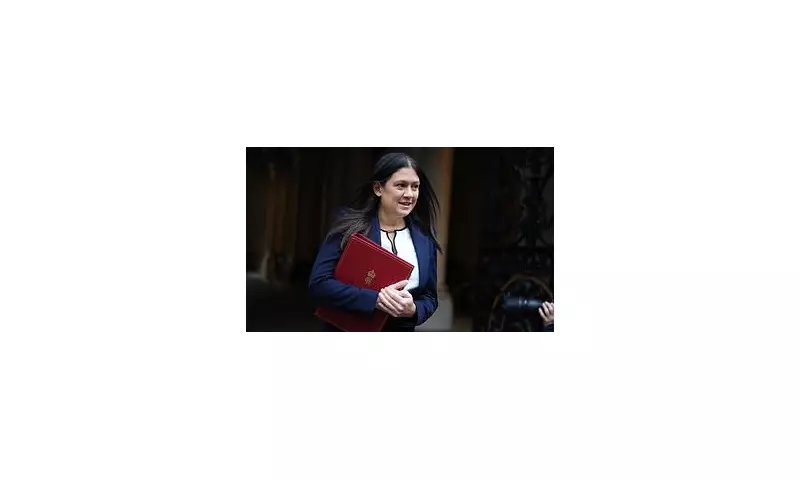
The Culture Secretary, Lisa Nandy, is reportedly considering an unprecedented intervention to block a planned increase in the BBC licence fee, as the national broadcaster reels from a series of damaging scandals and a deepening internal crisis.
A Fee Under Fire
The annual licence fee is due to rise this spring, calculated on September's inflation figure of 3.8 per cent. This would push the cost for households from the current £174.50 to more than £181, an increase of almost £7. However, this potential hike comes at a time when public confidence in the corporation is faltering.
A report by the Commons Public Accounts Committee (PAC) revealed that a record 3.6 million households are now refusing to pay the licence fee, an increase of 300,000 from the previous year. This mass non-payment represents a potential loss of £617 million in income. Furthermore, the report detailed that 2.9 million viewers evaded the fee last year, costing the BBC £550 million in lost revenue.

Internal Turmoil and Editorial Scandals
The BBC's financial pressures are compounded by severe internal instability. The corporation has been embroiled in a string of controversies, leading to the high-profile resignations of Director-General Sir Tim Davie and Head of News Deborah Turness.
The crisis deepened just last night with the resignation of BBC board member Shumeet Banerji over 'governance issues'. His departure, timed just before a critical Select Committee appearance by board chair Samir Shah, exposes clear divisions within the 12-strong board responsible for BBC oversight and strategy.
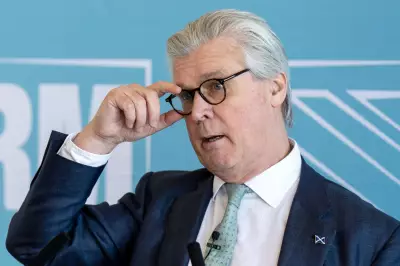
Former BBC news editor Sir Craig Oliver stated that Banerji's resignation was "a direct consequence of the BBC's failure to 'get a grip on the situation'" and laid the blame firmly at the door of Samir Shah, whom he described as 'weak'. Oliver warned that the BBC now risks losing its chairman, director-general, and head of news simultaneously.
The turmoil began with a leaked memo from former BBC editorial standards adviser Michael Prescott, which raised serious concerns about the corporation's reporting. These included:
- The apparent doctoring of a Donald Trump speech in a Panorama episode, which led to a $5 billion lawsuit threat from the former president.
- Its coverage of the Gaza war.
- Reporting on trans issues.
The BBC has acknowledged that its edit of Trump's January 6 speech gave "the mistaken impression that President Trump had made a direct call for violent action".
A Decision Looming
With the BBC's reputation and financial model under severe strain, the decision on the licence fee increase rests with Lisa Nandy. Sources close to the Culture Secretary claim no decision has been made yet, and she has until February to make her final call.
This potential block on funding, combined with the escalating internal crisis and growing public revolt, places the future of the publicly funded broadcaster at a critical crossroads.