Federal MPs and senators across Australia are reportedly claiming a travel allowance for staying in their own properties in Canberra, with some owning multiple homes in the capital. A review of the register of interests shows that 38 of the 227 parliamentarians have residences in Canberra or nearby Queanbeyan, for which they can claim $299 (£161) per night for parliamentary business.
The allowance is available regardless of whether politicians own the property they stay in, leading to claims that it amounts to a financial perk for those with existing investments in the area. Over the last parliament, the allowance was $291 per night, and the total claimed could exceed £15m based on sitting days and the number of eligible MPs.
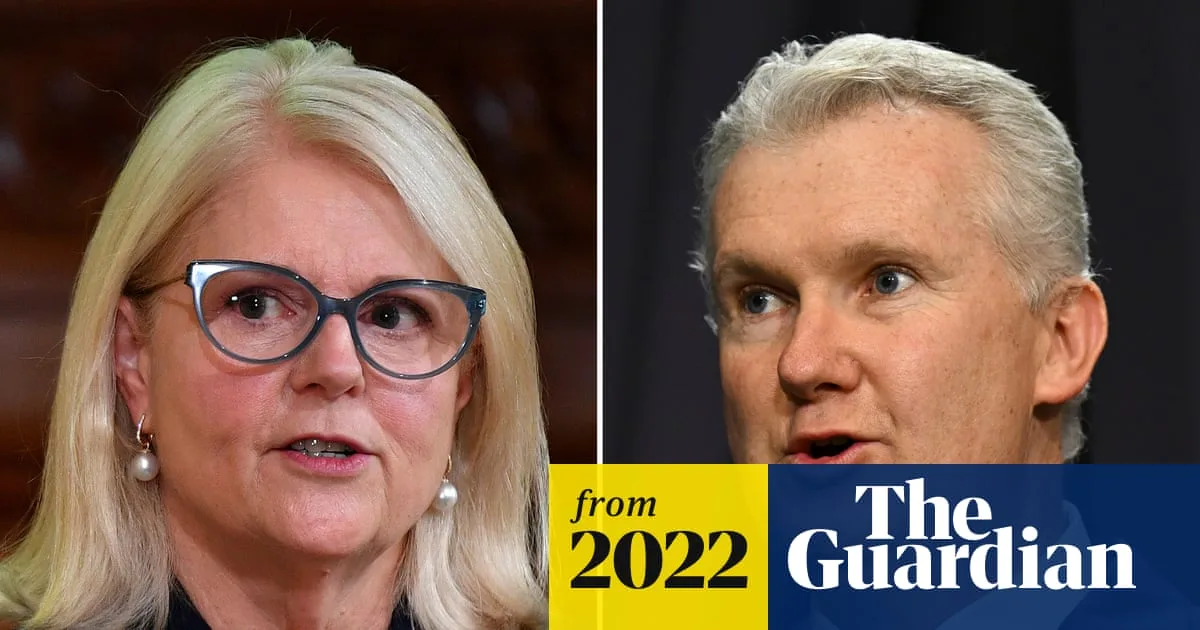
Property ownership among MPs is extensive, with the 227 politicians owning or having interests in 447 properties, including holiday homes, investments, and agricultural land. This averages nearly two properties per representative. Notable examples include shadow home affairs minister Karen Andrews, who has one residence and six investment properties, and leader of the house Tony Burke, who has homes in Punchbowl and Belconnen plus four investment properties.

The register also reveals that some newer MPs are among the biggest property owners. Independent Sophie Scamps declared a family home, a farm, and three investment properties, while Labor's Michelle Ananda-Rajah listed four properties as joint holdings. On the other end of the spectrum, several Greens MPs, including Stephen Bates and Max Chandler-Mather, declared no property ownership, with Bates stating he needed to work extra shifts to afford rent despite his £114,000 base salary.