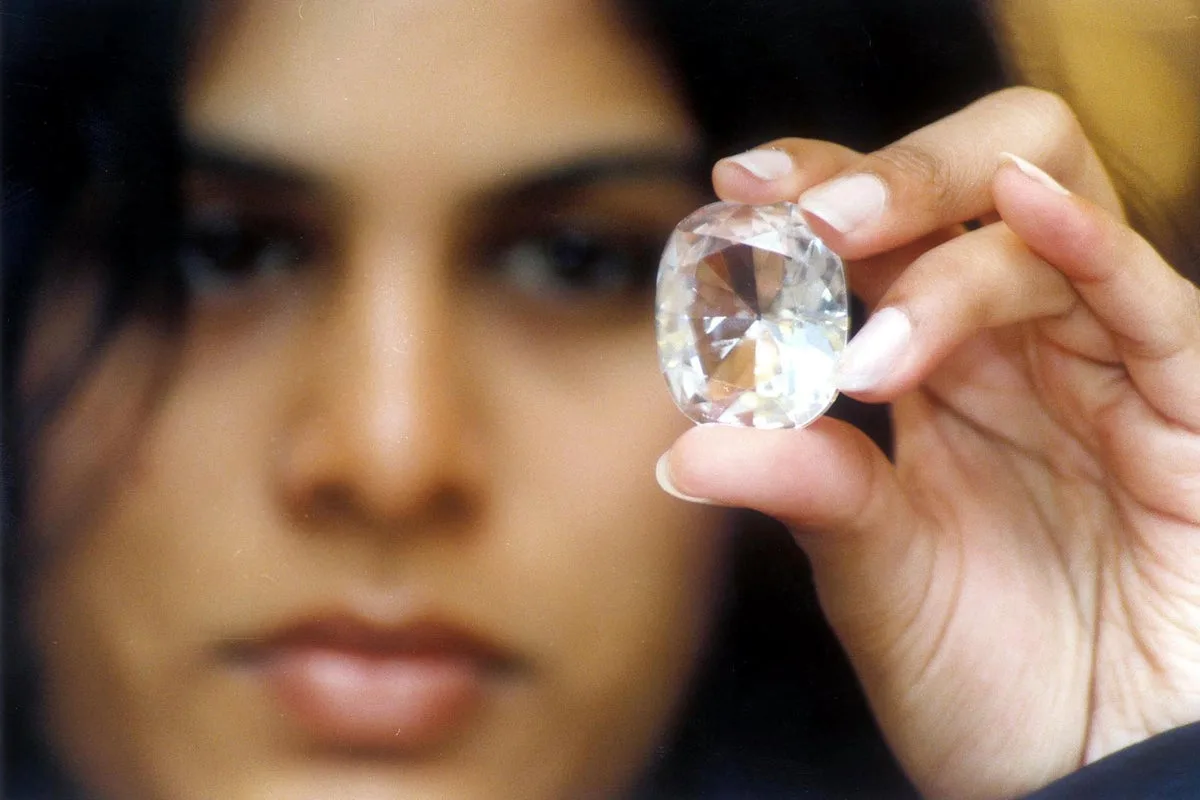
New York City Mayor Zohran Mamdani has called on King Charles to return the 105.6-carat Koh-i-Noor diamond to India, reigniting the long-running debate over the controversial gem. The Indian-American mayor made the remark on Wednesday during the King and Queen Camilla's state visit to the US, ahead of a meeting with Charles at a ceremony commemorating the September 11, 2001 attacks.
Speaking to reporters, Mamdani said he would encourage the monarch to return the diamond, though it remains unclear whether he raised the issue directly with the King. Buckingham Palace declined to comment, and Mamdani's office did not confirm any discussion on the matter.
The Koh-i-Noor diamond has been part of the British Crown Jewels since 1911, when it was set in Queen Mary's crown. It was later moved to the Queen Mother's crown for the 1937 coronation of King George VI and Queen Elizabeth. At the 2023 coronation, Queen Camilla reused Queen Mary's crown, modified to remove the replica diamond, avoiding controversy over the original.
The diamond was mined in India and first recorded in 1628 during the Mughal Empire. It passed through Persian and Sikh rulers before being surrendered to the British East India Company in 1849. The British forced the 10-year-old Maharaja Duleep Singh to sign a treaty ceding the diamond to Queen Victoria. It was later recut by Prince Albert, reducing its weight by half but enhancing its brilliance.
India has repeatedly called for the return of the Koh-i-Noor, which remains one of the largest cut diamonds in the world at 105.6 carats. The gem is set in the front cross of the Queen Mother's crown, part of the Crown Jewels displayed at the Tower of London.