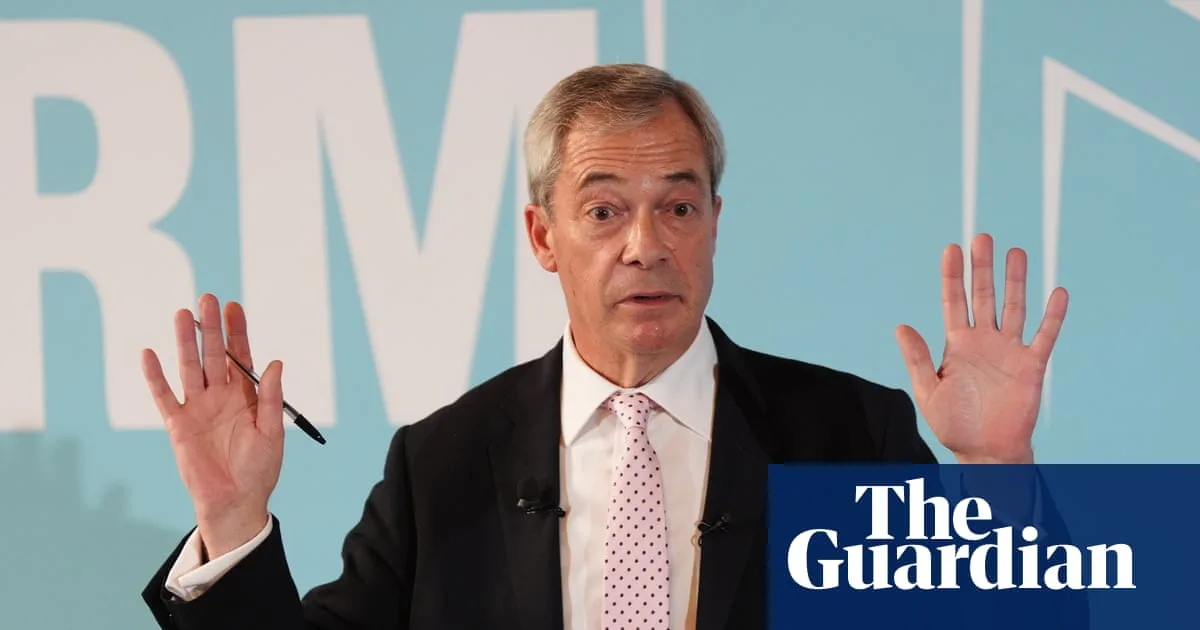
A powerful new editorial cartoon by the acclaimed satirist Ben Jennings has thrust long-standing allegations about Nigel Farage's conduct during his school years back into the political spotlight. The artwork, published in December 2024, visually interrogates claims about Farage's past behaviour and their resonance in his current political career.
Unpacking the Allegations and the Artistic Response
The cartoon by Ben Jennings, a respected Guardian contributor, serves as a pointed commentary on the serious racism allegations that have followed Nigel Farage for decades. These claims originate from his time as a pupil at Dulwich College, a prestigious private school in London, during the 1970s. Multiple former schoolmates have come forward over the years, alleging that Farage used deeply offensive racial slurs and participated in behaviour rooted in prejudice.
Jennings' illustration does not shy away from connecting this purported past to Farage's present-day political platform. The artwork critically juxtaposes the schoolboy persona with the figurehead of Reform UK, a party that has frequently faced accusations of fostering divisive rhetoric on issues like immigration. The core allegation suggests a pattern of behaviour, challenging the narrative that Farage's controversial statements are merely a political strategy.
The Political Repercussions and Public Scrutiny
These resurfaced allegations arrive at a sensitive time in British politics. As a prominent media figure and the leader of a growing political force, Nigel Farage's influence is significant. The cartoon, and the discussion it fuels, raises urgent questions about accountability and the relevance of a politician's personal history. Critics argue that past actions involving racism are intrinsically relevant to a leader's character and policy positions, especially on matters of national identity and social cohesion.
Farage and his supporters have consistently dismissed or downplayed the school-day allegations, often characterising them as gossip or politically motivated attacks. However, the persistence of the claims, now amplified through a national platform like a Guardian cartoon, ensures they remain a part of his public profile. The debate centres on whether these are youthful indiscretions or indicative of a deeper, enduring worldview that shapes policy.
A Legacy Under the Microscope
The enduring nature of these accusations highlights the intense and lasting scrutiny faced by public figures. Ben Jennings' decision to focus on this aspect of Farage's biography underscores its perceived importance in understanding his political journey. For many viewers, the cartoon is not about dredging up the past but about seeking consistency and transparency from those who seek high office.
It challenges the public and the media to consider how the personal histories of politicians inform their public stances. In an era where political discourse is deeply polarised, such artistic interventions play a crucial role in holding power to account and fostering necessary conversations about race, history, and leadership in modern Britain.