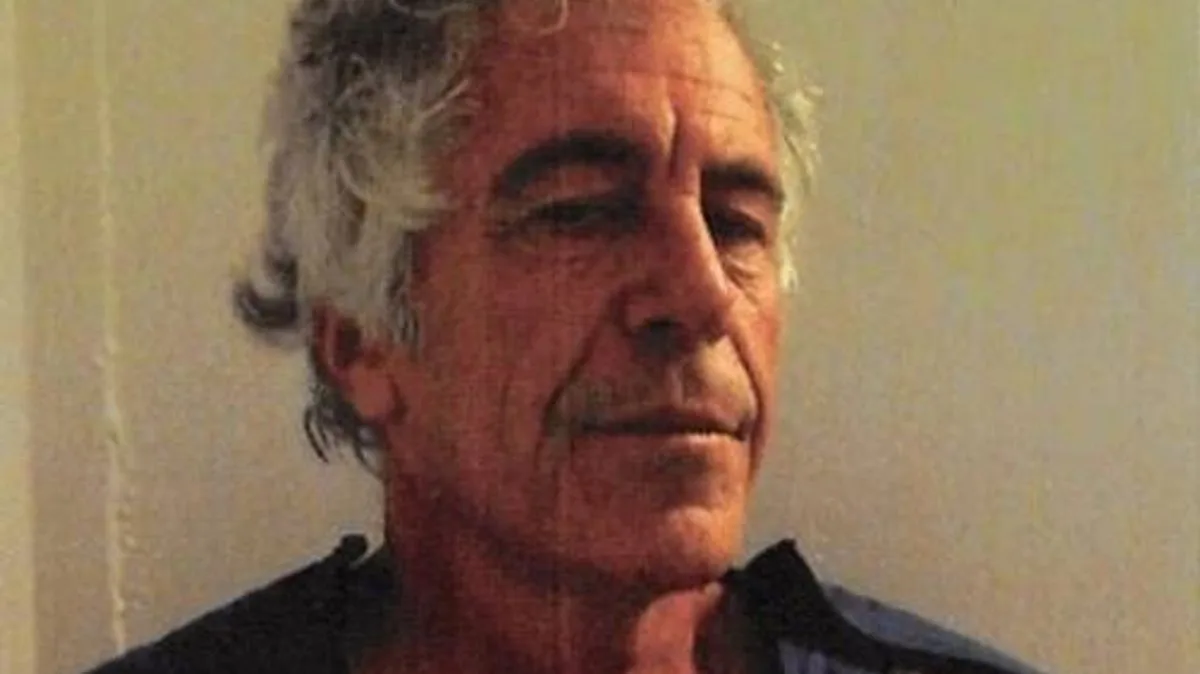
Newly released documents from the US Department of Justice have shed fresh light on the final days of Jeffrey Epstein, describing a man consumed by anguish and terror. The disgraced financier told his psychologist he was terrified of returning to his prison cell at the Metropolitan Correctional Centre in New York City, where he died by suicide on August 10, 2019, aged 66.
The files, which represent the most comprehensive disclosure to date, reveal that Epstein had attempted to take his own life two weeks before his death, on July 23, 2019. A psychological evaluation noted that he woke up with marks on his neck and could not remember how they occurred, adding that he had slept only about 30 minutes a night for five days due to noise in the Special Housing Unit. He also compared himself to Dustin Hoffman's autistic character in the film Rain Man, which clinicians noted as a sign of his deteriorating mental state.
The documents also raise fresh questions about the circumstances surrounding Epstein's death. His brother, Mark Epstein, contacted the FBI in February 2023, claiming he believed the financier had been murdered. However, authorities officially ruled the death a suicide, and no additional evidence has emerged to substantiate the murder claim.
At the time of the July attempt, Epstein's cellmate was Nicholas Tartaglione, who claimed he attempted to resuscitate him. Prison officials later exonerated Tartaglione of any misconduct, and he had been relocated from the cell by the time Epstein died weeks later.
The release follows a prolonged public campaign demanding transparency regarding the US government's investigations into Epstein, whose death has been the subject of widespread speculation and conspiracy theories.