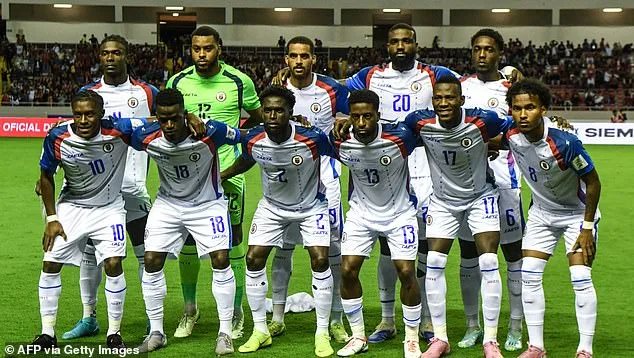
Supporters of the Senegalese and Ivorian national football teams risk being unable to attend the 2026 FIFA World Cup following the imposition of a new travel ban by the administration of former US President Donald Trump.
New Restrictions Target Over 20 Nations
The White House announced the updated policy on Wednesday, 17 December 2025. It places partial restrictions and entry limitations on citizens from Senegal and Côte d'Ivoire, who join fellow World Cup qualifiers Haiti and Iran in facing severe travel curbs to the United States.
The Trump administration justified the measures by citing high overstay rates for visitors on B1/B2 visas. Official figures indicate a 4 per cent overstay rate for Senegal and 13 per cent for Côte d'Ivoire. The proclamation also pointed to concerns over "widespread corruption, fraudulent or unreliable civil documents and criminal records" in the affected countries.
Athletes Exempt, But Fans Left Out
While the rules will impact ordinary travellers, the proclamation explicitly exempts competitors. Athletes, team members, coaches, support staff, and immediate relatives travelling for the World Cup, Olympics, or other major sporting events will not be subject to the ban, as determined by the US Secretary of State.
The 2026 tournament is set to be jointly hosted by the United States, Canada, and Mexico, with the opening match scheduled for 11 June 2026. The exemption means players from the listed nations will still be able to compete on American soil.
Expanded List of Affected Countries
The latest update significantly expands the scope of travel restrictions. Full entry bans now apply to Palestinians holding Palestinian Authority passports, as well as citizens of Burkina Faso, Mali, Niger, South Sudan, and Syria. Laos and Sierra Leone were moved from partial to full restrictions.
An additional 15 countries face new partial restrictions, including:
- Angola
- Antigua and Barbuda
- Benin
- Dominica
- Gabon
- The Gambia
- Malawi
- Mauritania
- Nigeria
- Tanzania
- Tonga
- Zambia
- Zimbabwe
The US government stated the restrictions will remain until "credible improvements" are made in information sharing and cooperation with American immigration authorities.
Part of Broader Immigration Crackdown
These changes form part of a wider and increasingly contentious immigration policy drive by the Trump administration. This crackdown has also included ICE raids and a pause on pending green card and citizenship applications for individuals from certain nations.
Homeland Security Secretary Kristi Noem had previously indicated that extensive measures were being prepared to counter perceived threats from "foreign terrorists". The updated list was published shortly after the arrest of an Afghan man accused of shooting two National Guard troops near the White House.
The original travel ban policy was first introduced by Mr Trump in 2017. It faced significant legal challenges but was ultimately upheld by the US Supreme Court.




