The Epstein Files: A Harrowing Echo of Past Abuses
The release of the latest tranche of Jeffrey Epstein files by the US Department of Justice has unveiled nearly two weeks of sordid and sickening details, fueling an unquenchable rage. This is not merely about Epstein's friendships with high-profile figures, such as Andrew Mountbatten-Windsor and Peter Mandelson, who were photographed with him. It is about the conveyor belt of young girls, predominantly children, who were ensnared in the clutches of Epstein and his cronies, both aboard his Lolita Express jet and on his so-called 'Paedo Island' in the Caribbean. A truly horrifying yet familiar pattern emerges, one that resonates deeply with past scandals.
A Pattern of Institutional Failure
This pattern mirrors the experiences of whistleblowers like Detective Constable Maggie Oliver, who stood against senior officers at Greater Manchester Police in 2012 during the Rochdale grooming gangs investigation. She exposed her own force for covering up decades of abuse, where perpetrators evaded justice for unspeakable acts against children as young as 11 and 12. Similarly, Epstein's victims, some as young as 13, have often been denied a voice, with authorities historically siding with abusers.
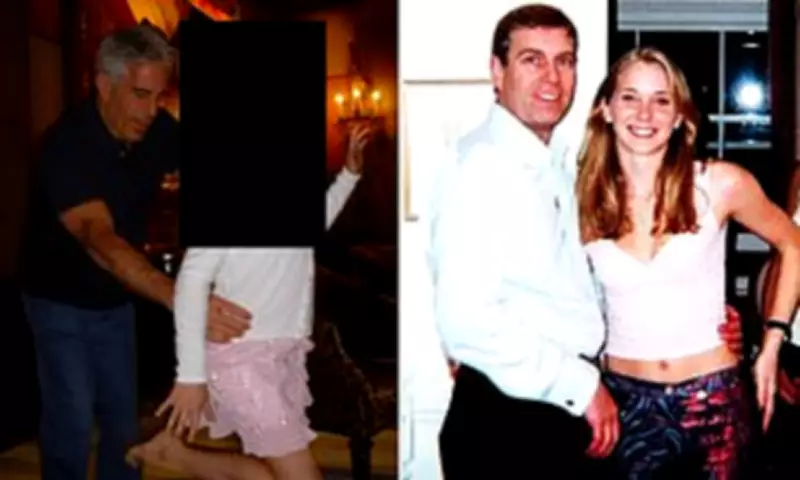
Evidence from the files includes video footage of Epstein chasing young girls in his Florida kitchen and a scrutinised photograph of the late Virginia Giuffre, then 17, with then-Prince Andrew in 2001. While there is no suggestion of wrongdoing by Andrew Mountbatten-Windsor or others named, it is clear that the girls associated with Epstein were underage and coerced into non-consensual acts. In 2008, Epstein pleaded guilty to soliciting sex from children as young as 14, receiving an 18-month prison sentence. Yet, emails from Sarah Ferguson show her apologising for calling him a paedophile, attempting to backtrack and deny the label.

The Victims' Plight and Systemic Complicity
Virginia Giuffre, hired as a 'masseuse' by Epstein in 2000 and who tragically took her own life in April 2025, wrote in her memoir of fearing death as a 'sex slave'. Recent details also reveal a 16- or 17-year-old who claims to have had a baby with Epstein, only for the child to be snatched away minutes after birth. Prince Edward's plea to 'remember the victims' highlights the ongoing impact on the Royal Family, yet such voices remain scarce.
Like in Rochdale, Manchester, and Rotherham, Epstein's victims were deceived with promises of glittering careers, money, and a better future. Targeted for their vulnerability—stemming from difficult backgrounds, financial need, or abandonment—they were young, good-looking, and naïve, ideal prey for predators. Once under Epstein's control, they were trapped, isolated from families, and left with no escape unless they complied with his demands. Epstein viewed them as disposable, with no accountability for his actions.
Emphasising the term 'children' is crucial; calling them 'women' downplays the abuse. Epstein, in his 50s, preyed on children barely into their teens, and complicity from those who knew makes them monsters too. Over two decades of working with childhood sexual abuse victims, stories of coercion, isolation, and violence abound, from 11-year-olds plied with drugs to a 14-year-old burned for refusing sex.
The Silence of Associates and Institutional Protection
The silence of Epstein's associates—not just the famous, but staff and cronies—raises questions. Many claim ignorance, but this is a coward's excuse. Anyone in his company could not have missed the constant stream of children over years. Epstein cleverly surrounded himself with those who had too much to lose by speaking out, creating an old boys' club akin to the police force Maggie Oliver left in 2012. This mirrors scandals at the BBC with Jimmy Savile, Hollywood with Harvey Weinstein, and the Catholic church, where power protected perpetrators.
To the children, Epstein and his pals were formidable due to their power and wealth. Associates risked losing access to exclusive circles, tarnishing reputations, and damaging careers by speaking out, prioritizing this over saving victims. As the adage goes, 'All it takes for evil to thrive is that good people do nothing.' Their inaction perpetuated the cycle of abuse, leaving them with lasting shame.

The Whistleblower's Struggle and Call for Accountability
Blowing the whistle, as Maggie Oliver did, is fraught with difficulty. She lost her home, career, and income, facing threats and fears of imprisonment. Yet, her conscience drove her to speak out for the children, a commitment she has upheld for 13 years. Similarly, true accountability for Epstein's heinous acts remains elusive; while he is dead and some have lost titles or jobs, justice is incomplete.
This case exemplifies the powerful protecting the powerful, blaming victims and prioritizing reputations. No one stood up for these young girls then, so we must shout it now: child sex abuse is the worst criminal offence, regardless of wealth or power. Survivors can seek support from The Maggie Oliver Foundation at themaggieoliverfoundation.com.