Trump's 2025: A Month-by-Month Guide to His Most Shocking Second-Term Moves
Donald Trump's Most Unhinged 2025 Moments

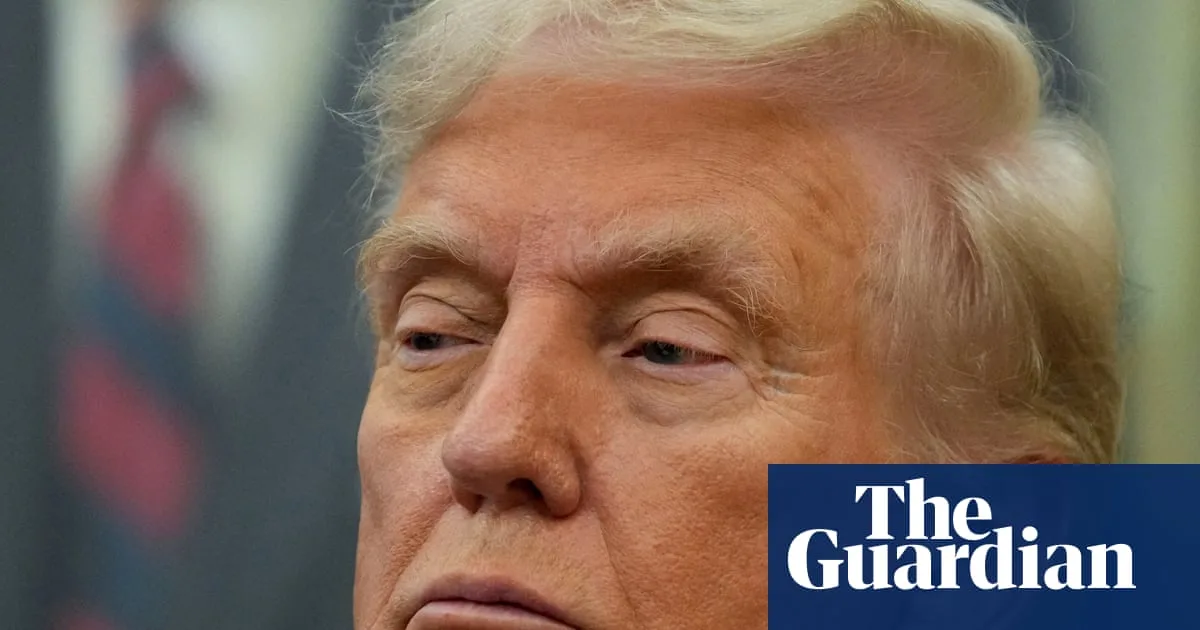
Against many predictions, Donald Trump secured victory in the 2024 presidential election, returning to the White House for a second term. Despite historically low approval ratings and the shadow of the January 6th Capitol riot, he defeated Joe Biden in a contest that was anticipated to be close but ultimately wasn't. A year into his unprecedented second term, polls position him as the second most unpopular president in American history, as he focuses on settling old scores, reshaping foreign policy, and transforming the executive residence.

Inauguration and the Opening Salvos

The tone for Trump's second administration was set immediately on January 20th, 2025. His inauguration, moved indoors to the Capitol Rotunda due to weather concerns, was attended by a who's who of tech billionaires, including Elon Musk, Jeff Bezos, Mark Zuckerberg, and Apple's Tim Cook, signalling the new power brokers in his orbit. Hours later, at a rally, he signed pardons for almost everyone involved in attempts to overturn the 2020 election.

The first month also saw drastic policy shifts: the Gulf of Mexico was renamed the Gulf of America, the US withdrew from the Paris Climate Accords and the World Health Organisation, and the groundwork was laid for a sweeping immigration purge branded 'Protecting the American People Against Invasion'.

Diplomatic Shockwaves and Domestic Purges

February featured a publicly broadcast, deeply uncomfortable meeting where Trump and Vice President JD Vance berated Ukrainian President Volodymyr Zelenskyy for being 'disrespectful' and insufficiently grateful, stalling peace efforts. Meanwhile, Elon Musk, installed as a special government adviser, embarked on a chaotic restructuring, locking staff out of offices and allegedly allowing a teenager access to vast swathes of private citizen data.

The administration's 'revenge tour' began in earnest, with security clearances stripped from Joe Biden and his former officials. Trump also announced the 'Trump Gold Card', a visa for the exceptionally wealthy featuring his portrait, and slapped 25% tariffs on Canada and Mexico, the first of many bewildering trade policy shifts.

Controversy, Conflict, and a Coup of Culture

March brought a troubling joint address to Congress where Trump mused about Greenland joining the US "one way or another," later appointing an ambassador against Denmark's wishes. His administration aggressively pursued deportations, ignoring a judicial order and sending individuals, including at least one with legal status, to alleged torture sites in El Salvador.

By October, Trump's focus turned inward, literally. Without warning, he demolished the entire East Wing of the White House to build a new ballroom, part of a year-long effort to remodel the residence in the image of his Mar-a-Lago club. The Rose Garden was paved over for a patio, and gold-painted fixtures proliferated.

The year closed with two symbolic acts. In December, after being overlooked for a Nobel, Trump was awarded a made-up 'FIFA Peace Prize' by its president, Gianni Infantino. He then forcibly took over the Kennedy Center, firing its board, renaming it after himself and John F. Kennedy, and presiding over an honours ceremony featuring Kiss and Michael Crawford.

Epstein Shadows and Global Fallout

The spectre of Jeffrey Epstein loomed large. After a June tweet from Elon Musk alleged Trump was in the Epstein files, the story gained momentum. In September, the Wall Street Journal published details of a suggestive birthday letter from Trump to Epstein. Under pressure, Trump signed a law to release Justice Department files on Epstein, though critics noted redactions seemed to favour him.

Foreign policy remained volatile. Trump ordered strikes on Iranian nuclear sites, deployed the National Guard to US cities citing overstated crime threats, and held a controversial solo meeting with Vladimir Putin in Alaska. A planned 60-day Gaza ceasefire in August yielded little progress, and military actions against Venezuelan boats led to allegations of potential war crimes.

Throughout 2025, Trump's second term proved to be a relentless storm of institutional norm-breaking, polarising diplomacy, and personal vendettas, conducted with few internal checks and a clear ambition to cement his power permanently.