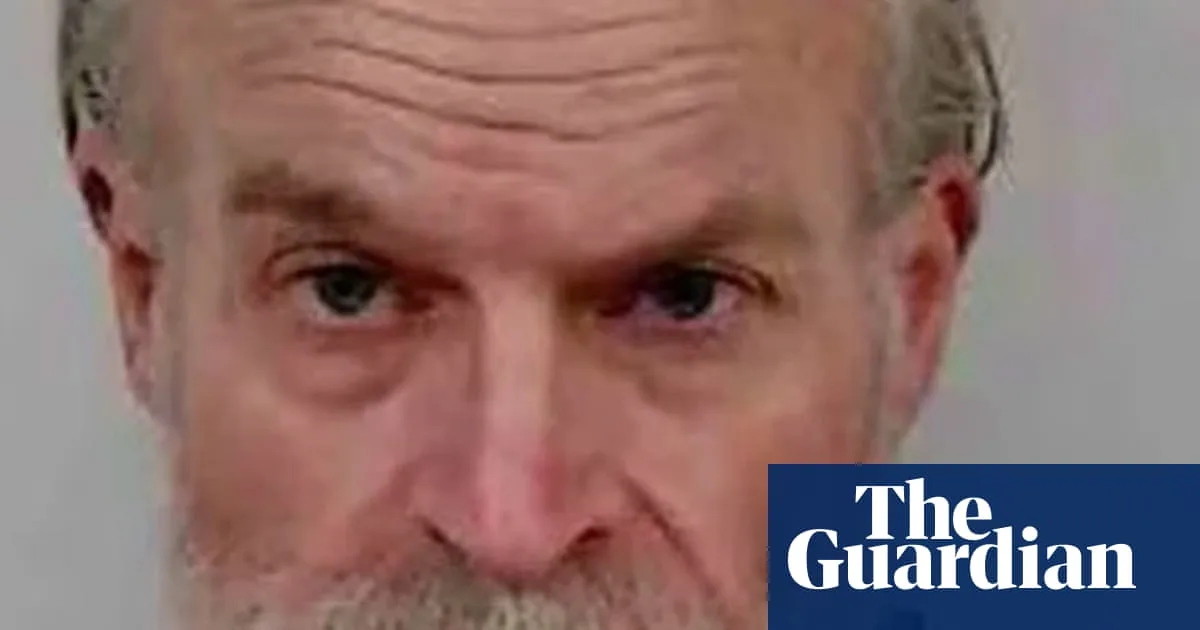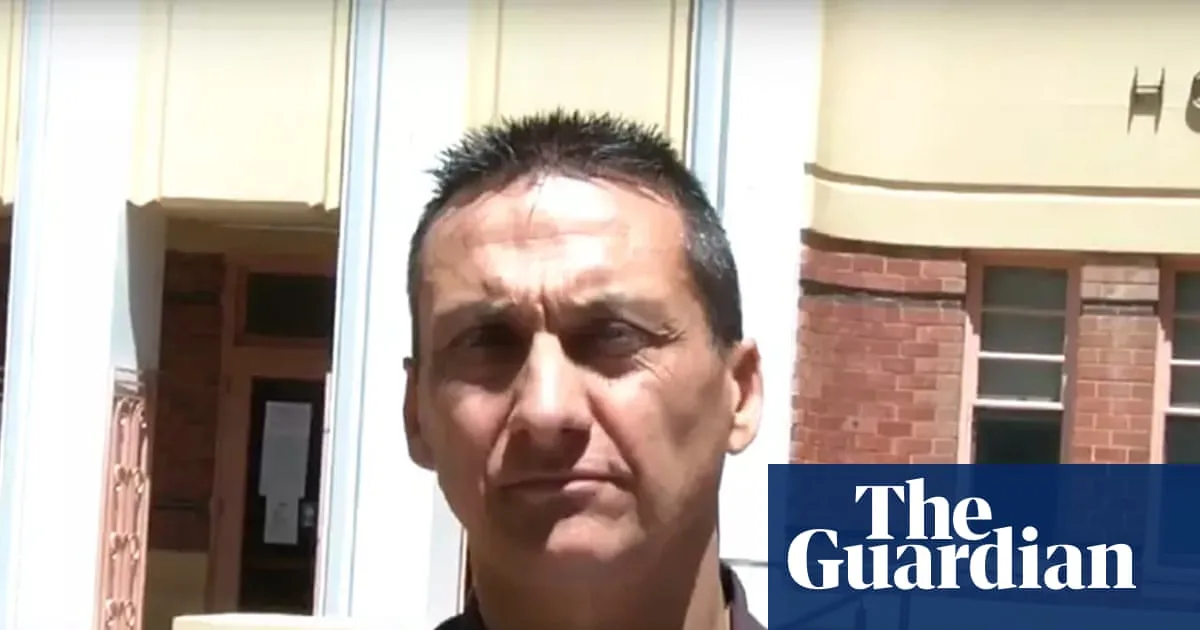
Cop killer Dezi Freeman turned on his phone for the first time in seven months shortly before he was fatally shot by police. The news of Freeman's death on March 30 during a siege at a remote property in Thologolong was broken by journalist Cassie Zervos, who spoke about the phone this week on a 7News podcast.
Freeman, 56, spent months on the run after he opened fire on a team of cops trying to serve a warrant over historic sex crime allegations at his home in Porepunkah, in Victoria's northeast, last August. The police investigation into the historical sex offences included allegations of sexual exposure, with detectives in contact with one victim.
After one of the largest manhunts in Australia's history, Freeman, a self-proclaimed sovereign citizen, was shot dead by police on March 30 during a siege at his off-grid hideout, 188km northeast of Porepunkah. To many, it was a shock that he had been alive and in hiding, with speculation that he had taken his life after the first August shootout.
He had been living inside a converted shipping container at Tholo Farm near Walwa, in northeast Victoria, with cops having him under surveillance before they made their move. While negotiating with police during the subsequent hours-long standoff, Zervos revealed Freeman, after seven months, turned on his personal mobile phone.
Freeman had taken the device as he fled his Porepunkah property in August, but had not turned it on until confronted by police. 'Now the biggest question is, was he trying to reach out to family to say goodbye? Or was he trying to reach out to his supporters to say, 'Hey, come help me here, I've got police on my back?',' Zervos told Dezi Freeman: The Hunt podcast.
Whether or not Freeman successfully called or texted anyone will be detailed in the impending coroner's report. 'I also know that it is still an active investigation,' Zervos said. 'Police are now trying to work out who and how many people had been helping him, harbouring him, feeding him and keeping this man alive.'
Presenter Michael Usher added that Freeman likely had another way of contacting his helpers, given the phone was off for the duration of his time on the run. 'Whoever they were, it would seem he was not using this phone to communicate with them,' Usher said.
Zervos' theory is that the move could have been a last-ditch effort by Freeman to say goodbye to his loved ones or an attempt to call for weapons. 'Was he like, 'I'm going to try and communicate with my wife or my kids, I'm never going to see my kids again', or was it, 'Hey, bring all the weapons you've got',' she said.
Police said Freeman was wrapped in a blanket when he emerged from the shipping container at the makeshift campsite in Thologolong, before pulling out a gun and pointing it at police. He was hit by up to 27 bullets. There had been no sign of him until a Thologolong local reportedly spotted him at the camp near the Victoria-New South Wales border and alerted police.
Police seized several digital devices from the hideout, which belonged to Freeman. Forensic examination unearthed hundreds of child abuse files on the devices. Other communications from the fugitive in the days and hours after he shot two police officers in August have also come to light.
Hours after fleeing the tragic scene, Freeman reportedly sent a text message to his wife, Mali, saying, 'See you in heaven'. This initially helped detectives establish a search area of about 10km to 15km from the couple's home in Porepunkah. He then made a call to an associate a few days later saying he 'F***ed up', but police were unable to determine his location, even after intercepting the call.