Behind the colourful sets and perpetual smiles of children's television lies a world of pressure, scandal and personal turmoil that viewers never see. While millions of young audiences perceive their favourite presenters as living in a constant state of playfulness, the reality for many has been far more complex and challenging.
The Pressure to Conform: Body Image and Industry Expectations
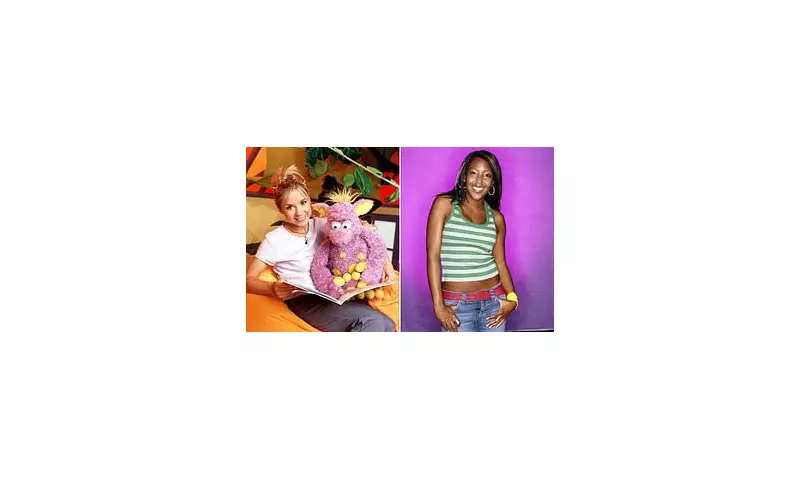
Angellica Bell, who became a household name through her CBBC work between 2000 and 2006, recently revealed the intense pressure she felt to change her appearance during her early career. Speaking on the Spent podcast, the presenter described purchasing an electrical muscle stimulation machine in an effort to achieve a slimmer television presence.
"I felt compelled to look smaller on TV," Bell confessed, reflecting on her younger self as "a little fat chubby child." Despite her successful transition from working at McDonald's to becoming a prominent children's presenter on shows like Xchange and That's Genius!, her insecurities persisted throughout her career.

Similarly, Danielle Nicholls faced criticism about her natural body shape during her time at CITV in the Noughties. The presenter, who began her career as a teenager, revealed she received so many complaints about her bust that producers required her to wear minimiser bras on screen.
"I was only 19 and only had a D-cup at the time, but I was a size eight, so it was a problem," Nicholls explained, noting that having a larger bust wasn't considered trendy in the 2000s. She continues to face body shaming decades later, recently defending herself against complaints about her appearance on TalkTV.
Career-Ending Scandals and Cancel Culture
Richard Bacon's dream career on Blue Peter came crashing down in 1997 when, at just 22 years old, he was fired after admitting to taking cocaine in a London nightclub. The scandal emerged when a tabloid newspaper, tipped off by one of Bacon's friends, exposed his drug use.
Lorraine Heggessey, then head of children's programmes, announced his dismissal with a statement expressing disappointment that Bacon had "let down the millions of children who watch Blue Peter." Reflecting on the incident in 2022, Bacon described it as an early example of cancel culture, noting that a producer told him he would "never work again."
More dramatically, John Leslie's television career collapsed in 2002 after being wrongly identified as the rapist mentioned in Ulrika Jonsson's autobiography. Although Jonsson never confirmed Leslie was her attacker, the publicity sparked multiple additional allegations of sexual misconduct from other women.
Leslie faced numerous court cases over the years, including accusations of groping women at social events, though he was ultimately acquitted of all charges. The former Blue Peter presenter described becoming "reclusive and suicidal" following the allegations, losing his career, home and public reputation.
Misogyny and Inappropriate Behaviour Behind the Scenes
Sarah-Jane Honeywell, known for her work on CBeebies, revealed shocking examples of misogynistic treatment during her time in children's television. She described being forced to share a dressing room with a male presenter without explanation, and facing retaliation when she requested same-sex accommodation.
"I told one of the male directors that I wanted to be in with the girls and it became such a big deal he would hardly speak to me," Honeywell recalled. After eventually getting her own dressing room, crew members gave her the "silent treatment" as punishment.
The presenter also described being branded "old and ugly" by a senior staff member and encountering inappropriate behaviour from a male agent during a dinner meeting. "He asked me to go to the toilet and remove my knickers," she revealed, explaining that she felt unable to speak out for fear of being blacklisted.
Honeywell's children's television career ended abruptly in 2011 when she posed topless for a PETA campaign, with bosses determining she was no longer suitable for children's programming.

Yvette Fielding, who joined Blue Peter in 1987 at age 18, recently revealed she was molested by convicted paedophile Rolf Harris in a television studio. She described how Harris squeezed and patted her bottom while they were alone together, expressing confusion that crew members who might have known about his behaviour left them unsupervised.
Fielding also recalled a "grotesque" encounter with Jimmy Savile, who stroked her hand and told her to "look into my eyes and tell me what you're thinking." She alleged that such inappropriate behaviour was often "brushed under the carpet" within the industry.
The Psychological Toll of Perpetual Cheerfulness
Ben Cajee, a CBeebies presenter, offered insight into the emotional challenges of maintaining a constantly cheerful television persona. He contrasted the public perception of presenters living glamorous lifestyles with the reality of "listening to emo music, trying not to cry your eyes out over the dried pasta you had for dinner."
"Being a presenter is hard because it's graft," Cajee explained, noting that in his first two years on the channel he completed more than 400 studio days. "Nobody is that happy, all of the time," he admitted, highlighting the difficulty of dealing with social media criticism while maintaining an endlessly positive on-screen presence.
These revelations from multiple presenters across different children's programmes paint a consistent picture of an industry where maintaining a wholesome image often comes at significant personal cost. From body shaming and misogyny to career-destroying scandals and psychological pressure, the reality behind children's television appears starkly different from the cheerful world presented to young viewers.