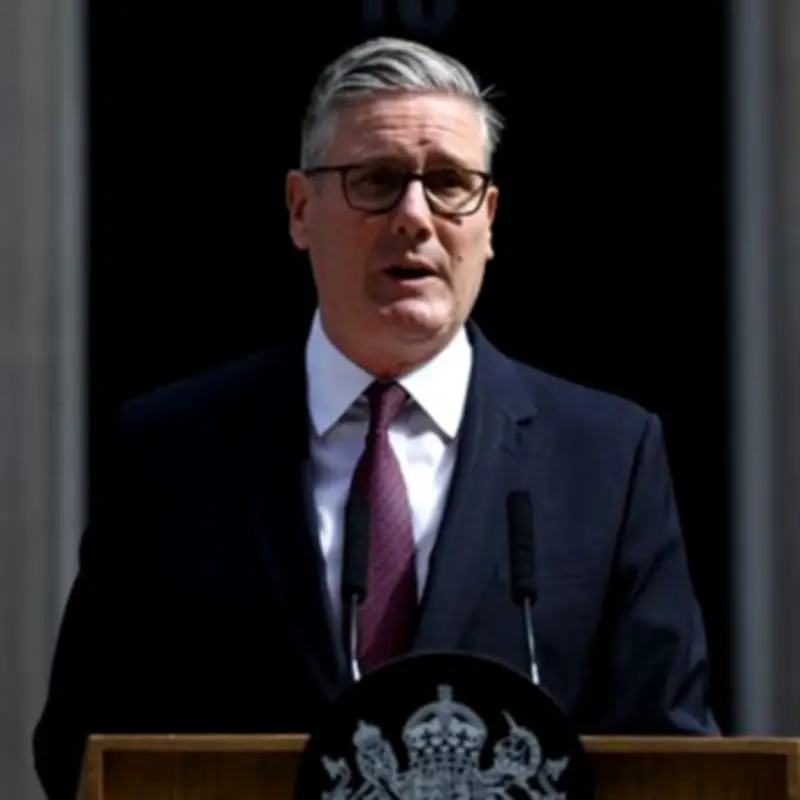
Sir Keir Starmer's resignation speech on June 22, 2026, was unexpectedly accompanied by Beethoven's Ode to Joy, distracting viewers from the historic moment. The music, typically associated with celebration and the European Union, was reportedly played by anti-Brexit campaigner Steve Bray, according to multiple sources from Downing Street.
Distraction During a Historic Moment
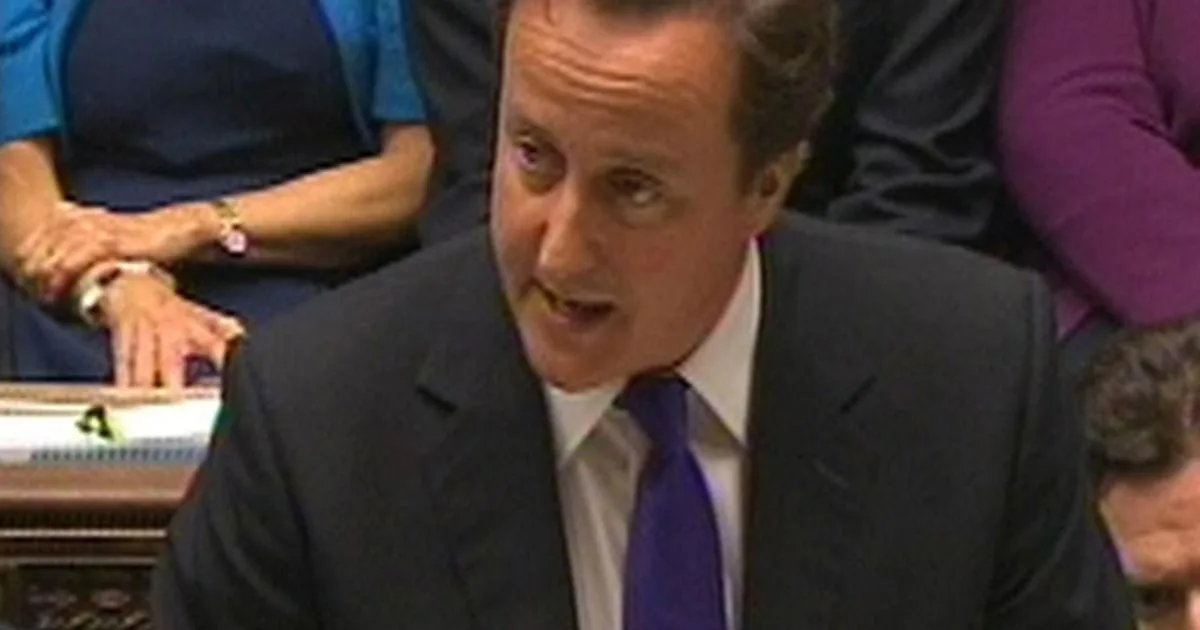
As Starmer fought back tears, the booming classical music drew attention away from his address. The incident mirrored a similar disruption during former Prime Minister Rishi Sunak's resignation, where the D:Ream song "Things Can Only Get Better" was played. Bray, also known as the "Stop Brexit Man," was allegedly behind both stunts.
Reactions from Media and Public
GB News reporter Tom Harwood and LBC presenter Lewis Goodall were among those who named Bray. Goodall called him a "yob" for disrupting nationally historic moments. Harwood suggested such actions should be criminalized. Political commentator Dan Hodges also condemned Bray, stating he was "sick of people like Steve Bray being allowed to disrupt any national event."

However, some social media users praised Bray, with one calling him a "legend" for his involvement. The choice of Ode to Joy, written in 1824, is linked to the European Union, serving as its official anthem at summits and ceremonies.
Political Context
The disruption highlights ongoing tensions around Brexit and political protests. Starmer's resignation marked the end of a troubled tenure, but the musical interference overshadowed the event. The incident raises questions about security and protest management at significant political occasions.