BBC Exposes Royal Wealth: King Charles Named First Billionaire Monarch
BBC series reveals King Charles as first billionaire monarch

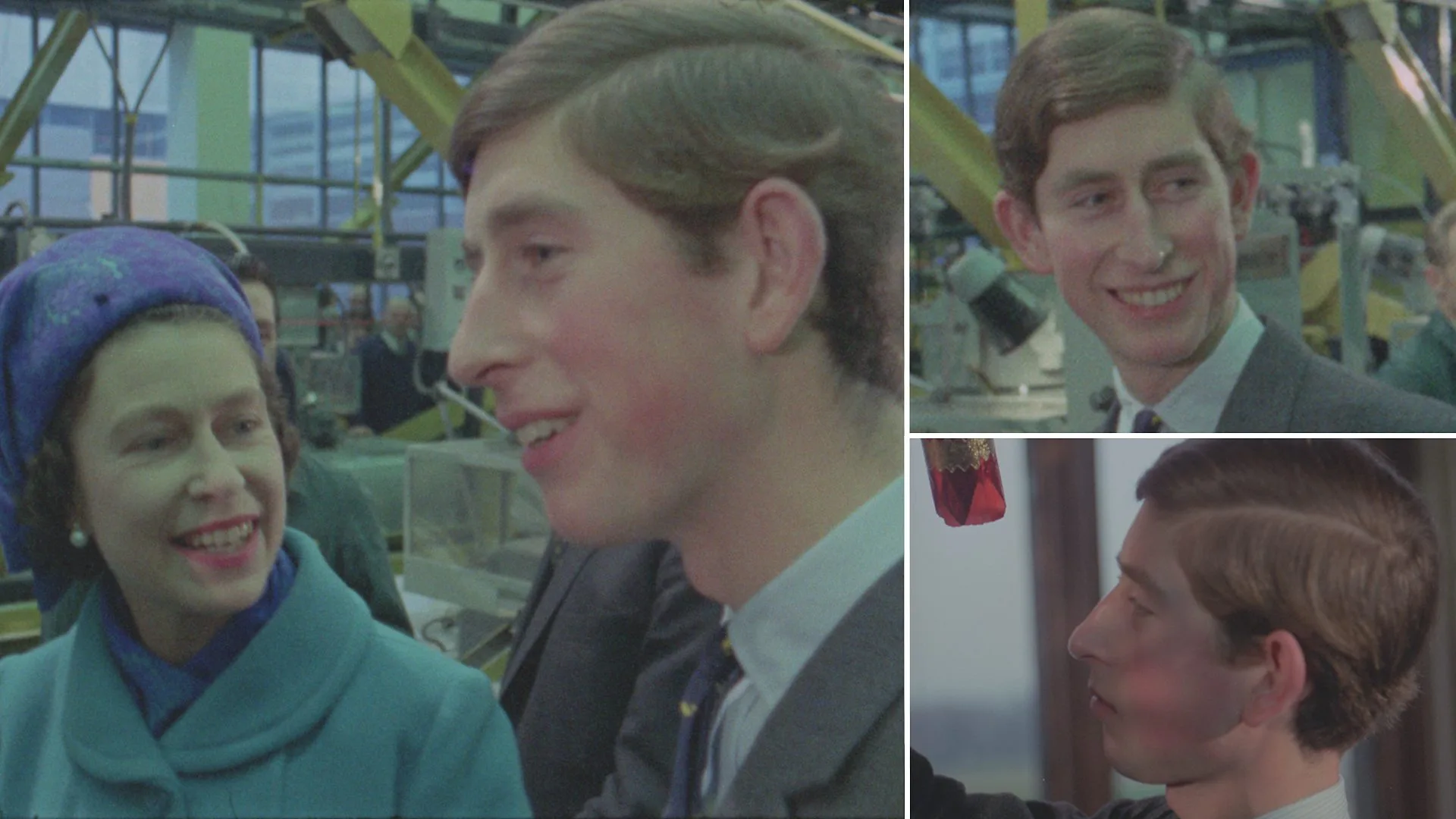
A new BBC documentary series has delivered a bombshell examination of the Royal Family's immense private fortune, with veteran broadcaster David Dimbleby branding the late Queen Elizabeth II an "astute tax avoider" and revealing King Charles III as the nation's first billionaire monarch.

Unprecedented Wealth Laid Bare

In his series, What is the Monarchy For?, Dimbleby, 87, states that the King's wealth, estimated at a conservative £1.2 billion, stems largely from the taxpayer-funded sovereign grant, his Duchy of Lancaster business, and a vast, tax-free inheritance. "By the time of Charles’ coronation, he didn’t just inherit the crown, he inherited more wealth than any monarch for generations," Dimbleby declares.

The programme highlights that the taxpayer now funds the monarch's public duties at a higher rate than during the Queen's reign. It questions how the royals have grown their wealth so significantly while millions of Britons struggle with the cost of living. "At a time when millions are struggling to make ends meet: How is it the royal family is making more money than ever?" Dimbleby asks.

A History of Tax Avoidance and Secrecy

The investigation delves into decades of financial secrecy. It reveals that Elizabeth II used her royal privilege to be exempted from 160 different laws, covering areas from health and safety to race relations. In 1973, she reportedly created a "purpose-built legal mechanism" to hide her family's wealth after then-Prime Minister Edward Heath tried to lift the veil on her investments.

While previous monarchs paid tax, the late Queen's father, George VI, persuaded the government he should not. Elizabeth II continued this practice until the public outcry following the 1992 Windsor Castle fire, which cost £36 million to repair. She then volunteered to pay around £2 million in tax. "So the Queen was an astute tax avoider?" Dimbleby asks journalist Valentine Low, who replies: "Absolutely."

The series notes the Royal Family remains exempt from capital gains and inheritance tax. The Duchy of Cornwall and Duchy of Lancaster, described as huge commercial property companies, are also tax-exempt, providing the Windsors with a private annual income of £50 million.

Vast Assets and Public Scrutiny

The documentary itemises the King's staggering assets, which include:

  • Privately-owned estates Sandringham and Balmoral, valued at £330 million.
  • Jewellery worth a minimum of £533 million.
  • A stamp collection valued at £100 million.
  • Livestock, largely racehorses, worth £27 million.
  • An art collection worth at least £24 million.

Buckingham Palace has pushed back against the £1.2 billion valuation, calling it "a mix of speculation, assumption and inaccuracy." It also stated that the King voluntarily pays income and capital gains tax on his private income and that the Royal Collection is held in trust for the nation and cannot be sold.

The programme also scrutinises specific income streams, such as the £11 million the King receives from the NHS for renting a warehouse for ambulances, and the £1.5 million Prince William earns from Dartmouth Prison standing on Duchy land. Journalist Ash Sarkar argues such funds could be used for public good instead of enriching the royals further.

Historical Links and the Future

Dimbleby explores the monarchy's historic links to the slave trade, noting the family has never fully addressed the fortune made. Historian Sathnam Sanghera states that Charles II set up the Royal African Company, which branded enslaved people with his brother's initials.

In response, the Palace said the King has expressed "profound sorrow and regret over the most painful aspects of our past."

With Prince William hinting at modernisation but keeping his tax returns private, the series concludes by questioning the institution's future. Professor Annie Whitlock asks why such vast wealth and tax privileges are necessary, suggesting these questions are being asked more loudly since the Queen's death.

What’s the Monarchy For? airs on BBC One at 9pm.