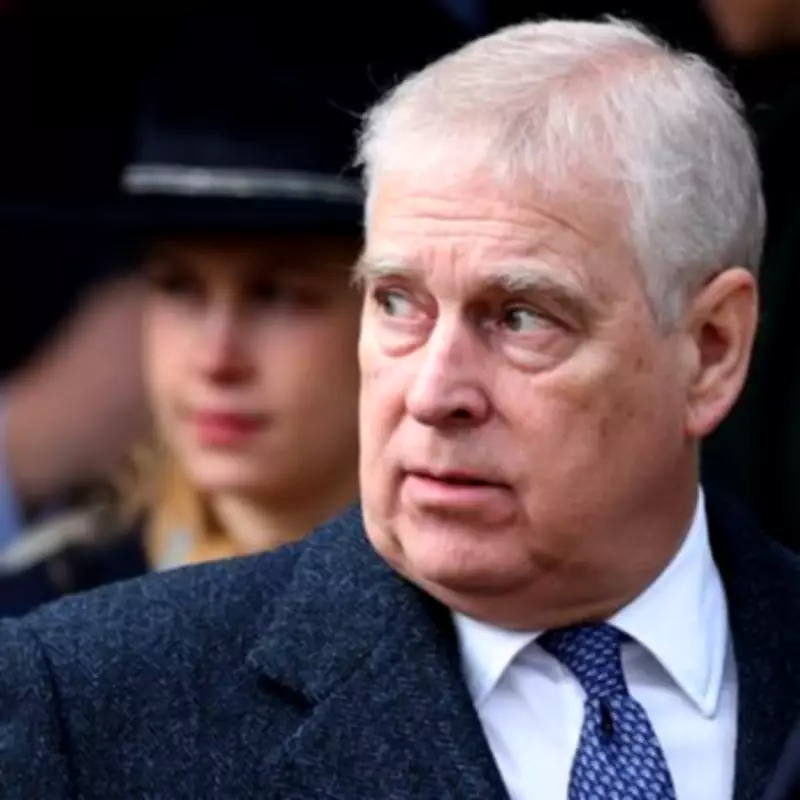
Andrew Mountbatten-Windsor Faces Major Concerns in New Exile Home
As preparations intensify for Andrew Mountbatten-Windsor's relocation to his new residence, the former prince's anxieties extend far beyond the placement of his teddy bears and art collection. The move marks a significant downturn for the once-prominent royal, now grappling with space constraints, community backlash, and ongoing legal scrutiny.
From Royal Lodge to Marsh Farm: A Drastic Downgrade
In 2025, Andrew and his ex-wife, Sarah Ferguson, were stripped of their titles and evicted from Royal Lodge, a 30-bedroom Windsor mansion that epitomised the luxury he had always known. Temporarily residing at Wood Farm on the Sandringham Estate, Andrew awaits renovations at Marsh Farm, his more permanent five-bedroom home. This red-brick property, while charming, represents a stark contrast to his previous lavish lifestyle, described by sources as a "grim purgatory" for the society-loving ex-prince.
Recent sightings of three large removal vans from Gander & White, a firm specialising in fine art transport, suggest Andrew is moving valuable pieces, possibly from the Royal Collection Trust. However, these treasures may seem out of place in his comparatively modest new abode, where space is a pressing issue. An insider revealed, "He really didn't want Marsh Farm," noting it's the smallest home he's lived in since his Buckingham Palace apartment.
Space Struggles and Stubborn Demands
The limited space at Marsh Farm forces Andrew to make difficult choices, such as leaving behind his 72-strong teddy bear collection, with only one cuddly monkey making the cut. Additionally, he faces reduced staffing, with King Charles offering only ad hoc support from a cleaner, groundsman, and cook—a proposal that has reportedly "not gone down well" with Andrew.
Despite his diminished status, Andrew has insisted on maintaining royal protocols, demanding staff address him as "Your Royal Highness" with bows or curtsies, even in his final days at Royal Lodge. A household source stated, "Andrew's made it clear—palace rules don't apply inside his walls. He insists it's his birthright—not something the King can erase." Whether this behaviour continues in Norfolk remains uncertain, but it highlights his struggle with pride amid exile.
Local Resentment and Legal Troubles
Andrew's arrival in Norfolk has sparked strong opposition from locals. During a visit to King's Lynn, residents expressed disdain, with one suggesting he "should exile himself" and another calling for him to be "locked up." A taxi driver remarked, "I think he'll get his comeuppance, and that there will be more to come," reflecting widespread frustration.
Compounding these issues, Andrew was arrested on his 66th birthday on suspicion of misconduct in public office, marking the first time a senior royal has been taken into custody in modern history. He was later released under investigation and denies all wrongdoing. Additionally, UK police forces, supported by the National Crime Agency, are probing his ties to convicted paedophile Jeffrey Epstein, adding to his legal woes.
Environmental and Social Challenges
Marsh Farm's location on a flood plain presents practical hazards, with locals advised to register for flood alerts. The area is described as "bleak" by neighbours, with one noting, "I don't think there'll be a lot there for him to do." This isolation contrasts sharply with Andrew's former socialite life, further emphasising his fall from grace.
As daffodils bloom outside Marsh Farm, Andrew's predicament remains fraught with uncertainty, overshadowing any springtime renewal. His exile is not just a physical relocation but a symbol of his ongoing battles with space, society, and the law.