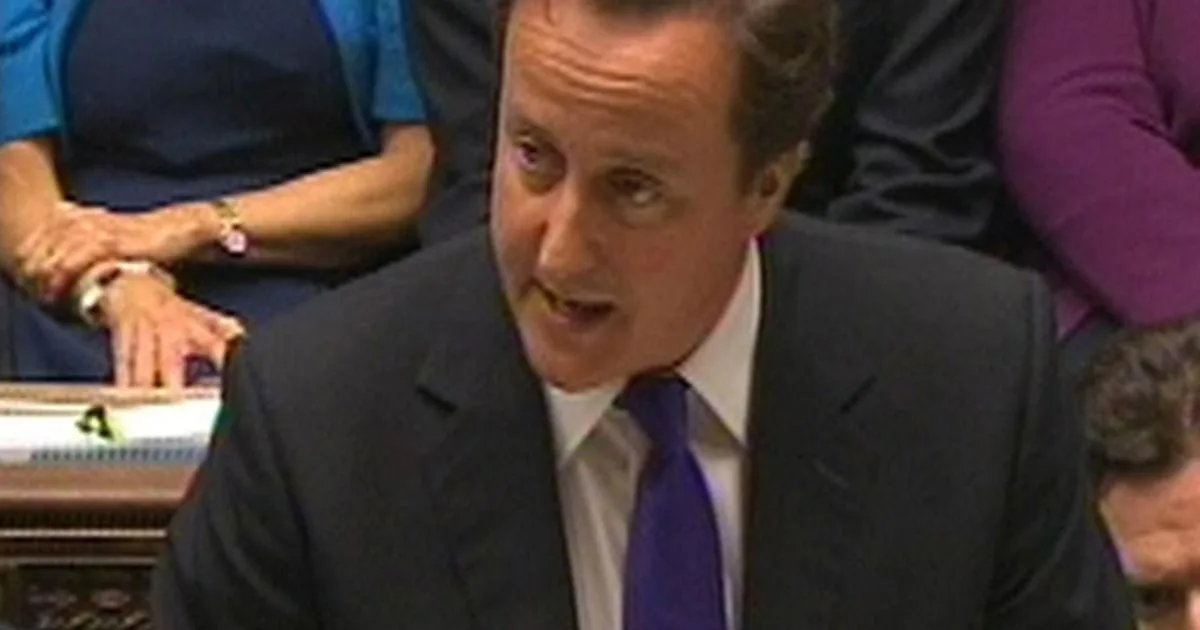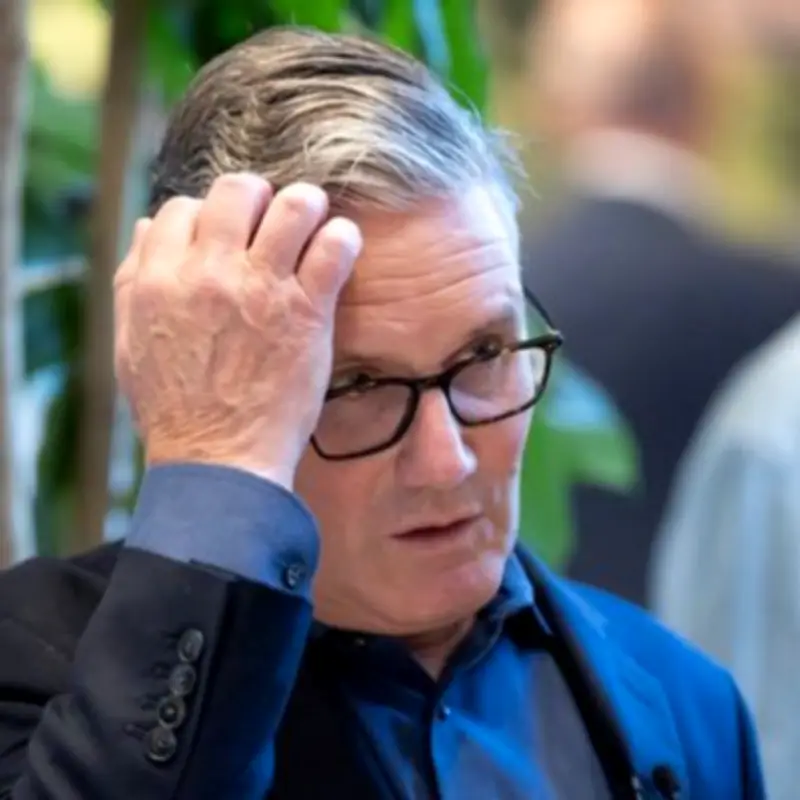
Sir Keir Starmer has announced he will resign as Prime Minister, revealing a dramatic exit plan after mounting pressure within the Labour Party. He stated he will remain in office until the autumn, paving the way for a successor to take charge before Labour's annual conference at the end of September.
In a statement outside Downing Street, Starmer said he accepted his fate with good grace. The crisis deepened overnight after US President Donald Trump posted on Truth Social declaring that Starmer would resign, accusing him of failing on immigration and energy.
Trump's Intervention and Internal Turmoil
Trump's post read: "Keir Starmer will resign as Prime Minister of The United Kingdom." He added: "I wish him well!" The message landed as Starmer spent the weekend at Chequers amid intense speculation about his future. Senior Labour figures concluded the party needs a fresh face after months of internal turmoil and disappointing electoral performances.

Andy Burnham has emerged as the overwhelming favourite to succeed Starmer, following a stunning political resurgence. Insiders believe a managed transition would allow Burnham or another contender time to unite MPs and activists before the party's crucial conference season.
Starmer's Previous Denials and Growing Unease
Publicly, Starmer had repeatedly insisted he would not quit. However, the mood inside Labour darkened dramatically in recent weeks, with reports of growing Cabinet unease and private conversations about an orderly handover. Starmer's resignation marks the end of a tenure that began with high hopes but was marred by internal strife and electoral setbacks.